






The use of marijuana is on the rise though its impact on oral health is usually ignored. The use of weed can lead to a dry mouth, increased cavity risk, and gum complications. This paper describes the impact of marijuana on your teeth and gums, the risks it has in the long run, and tips to keep your mouth clean to help you save your smile as you learn about weed and teeth. We emphasize the importance of general dentistry in maintaining your teeth healthy and risk-free in longer run.
How Smoking Weed Affects Oral Health
Dry mouth or xerostomia is one of the most prevalent oral side effects of smoking marijuana. The active ingredient of weed, THC, lowers the levels of saliva that are essential in neutralizing acids and washing food particles. Saliva deficiency may promote the development of tooth decay, cavities, and gum disease which makes oral care more difficult among cannabis users.
Plaque and tartar can also be contributed to by smoking weed. The semi-sticky substance of smoking, combined with a lack of saliva, creates an environment that is perfect for bacteria to live in, resulting in more plaque and making it more difficult to clear tartar. Another common problem is bad breath or halitosis. Dry mouth and the remnants of smoke usually lead to an unpleasant smell that cannot be fully eliminated by brushing.
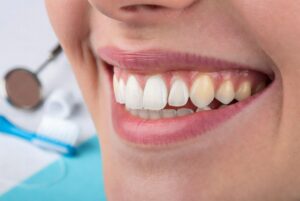
In the long run, teeth may be stained due to smoking. Compounds are left behind by the smoke which can be yellow or discolored just like tobacco staining. Hydration, frequent brushing and dental cleanings by professionals are necessary to fight these effects.
Marijuana and Gum Disease
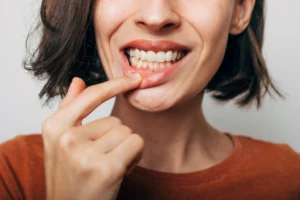
Studies have shown that frequent marijuana consumption could be associated with increased occurrences of gum inflammation. Cannabis has the potential to change the immune response in the mouth which alters the natural body healing mechanisms and exposes the gums to susceptibility to being infected by bacteria and other pathogens. This compromised defense makes one susceptible to the development of gingivitis, which is a redness, swelling, and bleeding of the gums and periodontitis which is a more advanced gum disease that may cause the loss of teeth in the event of no treatment.
Smoking pot may further worsen these by diminishing the amount of saliva, which is usually known to wash off bacteria and counter the disastrous acids. In addition to having poor oral hygiene, cannabis users also might have their gums deteriorate over time at a faster rate.
Regular check-ups, comprehensive brushing, and flossing of the teeth are necessary to avoid the issue of marijuana gums and reduce the oral inflammation of weed.
Smoking Weed vs. Other Forms of Marijuana Consumption
The manner in which marijuana is used might have a significant effect on oral health. Direct contact of teeth and gums with heat and smoke directly leads to smoking weed and the risks of dry mouth, gum irritation and staining. Vaping can also alleviate some of the adverse smoking effects but can remain a cause of dry mouth and irritation from inhaled chemicals.
Edibles, however, do not go through the respiratory system and pose other dangers. Most cannabis-infused foods have sugar that can feed the bacteria contributing to the acceleration in the decay of teeth in the case of a lack of proper oral care.
The awareness of the distinctions between smoking, vaping and edibles can enable cannabis users to make sound decisions that would safeguard their teeth and gums.
Impact on Oral Cancer Risk
The evidence on the association between the use of cannabis and oral cancer is inconclusive. According to some studies there are no direct correlations whereas there are others that show that there may be risks particularly when tobacco is smoked with marijuana. Smoke contains heat and chemicals that could lead to a cellular change in the mouth over time. Dental examination is essential as it helps to detect any abnormalities at an early stage and therefore, timely action can be taken. Oral health is an area that cannabis users should be sensitive to and refer any of their concerns to the dentist.
Preventive Measures for Cannabis Users
Oral health can be preserved among the users of cannabis. The best way of reducing the amount of plaque in the mouth is to keep the mouth clean through brushing at least three times a day, flossing, and applying an antiseptic mouthwash. Keeping hydrated helps to fight dry mouth which is one of the leading causes of tooth decay. Restricting sweetened foods and acidic beverages lower the chances of cavities. Professional cleaning and monitoring of teeth should be done on a regular basis. Also, by using other forms of consumption like edibles or tinctures, the negative impact of smoke on the teeth and gums can be reduced. The practices will help to maintain long-term dental care in marijuana users.
When to See a Dentist
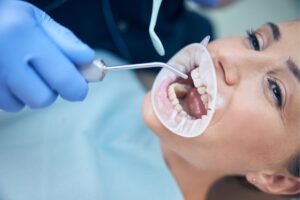
When chronic dry mouth, bleeding gums, tooth sensitivity, and smelly breath are experienced, cannabis users are recommended to visit a dentist. Considerable dental problems may be prevented by early intervention so that gum disease or decay can be contained. Individuals who have lost their teeth as a result of tooth decay may opt for Denver dental implants. Oral examinations are also important in maintaining a healthy mouth in marijuana use.
Conclusion
Weed smoking can adversely affect the conditions of oral health, including dry mouth, gum disease, and tooth staining. Nevertheless, such risks may be addressed with due diligence. You can consider some cosmetic dentistry procedures for a better dental health. Frequent dental visits at Broadway Family Dentist, oral health, and intelligent eating habits will help cannabis users have a happy, pain-free smile.
FAQs
Can smoking weed lead to cavities?
Yes. Marijuana contains THC which decreases the amount of saliva produced, resulting in a dry mouth. This leads to a condition where bacteria will be able to flourish, putting the likelihood of cavities and tooth rot on the rise. This could be mitigated through good oral hygiene and hydration.
Can marijuana use lead to gum disease?
Consumption of cannabis regularly has been associated with gingivitis, periodontitis, and inflammation of the gums. The decreased flow of saliva and the impaired oral immune system make the gums more vulnerable to infection.
Are edibles safer for teeth than smoking weed?
Edibles do not cause smoke damage to gums and teeth, although they can have sugar, which also causes tooth decay. It is necessary to maintain oral hygiene following the intake of edibles.
Does smoking weed stain teeth?
Yes. Smoke also has compounds, which may lead to discoloration or a change to the yellow color, just like tobacco. Dental cleaning and whitening procedures can be done regularly.
How can cannabis users protect their oral health?
Good oral and water intake, reduced consumption of food with high sugar content, and regular visits to the dentist are very important. Using other forms of consumption such as edibles or tinctures can also be used to minimize oral damage.