





Bottle feeding cavities are one of the most common dental problems in children that parents have to deal with during the developmental stages of their lives. Bottle feeding cavities develop when the child has an excessive amount of sugary drinks for long periods of time. It usually occurs when the child is frequently bottle-fed. Baby’s premature teeth are replaced by the permanent teeth later in life. These premature teeth, affected by bottle feeding cavities lays the foundation of permanent teeth and affect the child’s speech and nutrition overall.
Parents need to know how bottle feeding cavities are created and how to prevent them so that they can assist in maintaining their child’s smile at an early age. Routine visits to a family dentist assist in identifying any dental problems early on in a child’s life to avoid larger dental issues later on.
What Are Bottle Feeding Cavities
Bottle feeding cavities occur due to having sugary liquids, for example, milk, formula, juice, or soda, on the teeth of children for long periods of time. This creates the opportunity for the bacteria in their mouth to use these sugary liquids to make acid from the sugar. The acid from these bacteria erodes the enamel and causes a cavity.
This condition generally happens to children who fall asleep while drinking from a bottle or carry their bottle around all day. The upper front teeth are typically the most affected by this condition due to the fact that they are in contact with the sugary liquid the most.
How Bottle Feeding Leads to Tooth Decay
Bottle feeding cavities form when sugar accumulates on teeth and is mixed with the bacteria already present in the mouth of the infant. As an infant consumes milk or juice, and it collects around the teeth, the bacteria begin to break down the sugar. In the process of breaking down the sugar, the bacteria produce an acid that eventually weakens the enamel of the teeth.
The risk of tooth decay and the development of cavities increases in children while sleeping. Normally, saliva washes away food particles and neutralizes any acids in your mouth, but during sleep, saliva production decreases. A child who falls asleep with their feeding bottle has a greater chance of developing bottle feeding cavities.
Early Signs Parents Should Watch For
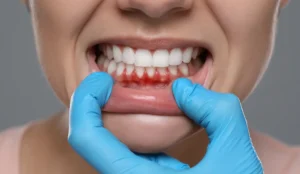
Parents should be aware of the early signs of tooth decay caused by bottle feeding. The first sign that indicates your child may have bottle feeding cavities may be dull white, chalky patches on the upper gums next to your child’s two front teeth. These patches are an indication of mineral loss in the enamel, so these spots should be treated early on to prevent further damage to the tooth.
As the dentist sees these white spots, he/she would recommend a fluoride treatment to help remineralize the teeth in this early stage. Some parents observe their child’s teeth change in color, developing black stains, and then later, weak spots are made on the teeth, causing the child to feel discomfort when eating or drinking. It is always best to take your child to their dentist as soon as you notice any changes in their teeth, as they can often prevent any additional issues before they become serious. Additionally, there are a lot more accurate methods of diagnosing and treating early stages of decay, such as laser dentistry.
Why Baby Teeth Still Matter
Some parents think that the development of bottle feeding cavities in children at an early stage of life is common and not a serious dental issue, for this reason, they may ignore this dental condition. But they should know that baby teeth are essential to a child’s development. They help children to eat correctly, speak clearly, and hold the proper space for their adult, permanent teeth.
If the baby’s teeth are damaged too much from bottle feeding, it results in misalignment of the growing permanent teeth. If bottle feeding cavities are left untreated, they can cause pain, infection, and chewing problems. Ultimately, this can affect a child’s health and nutrition.
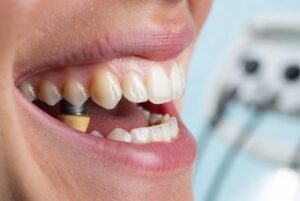
The adults who suffered from bottle feeding cavities in their childhood and those who were left untreated can get Denver Dental Implants or other dental treatments to enhance their smile and overall dental functionality.
Effective Ways to Prevent Bottle Feeding Cavities
Avoiding bottle feeding cavities can be accomplished with very simple repetitive behaviours. You can adapt some preventive measures. Do not give your child a bedtime routine using a bottle with milk or fruit juice or any sweet liquid. Instead, it is preferred to give them plain water in their feeding bottles.
Be sure to wipe your baby’s gums regularly to help remove bacteria, and clean your baby’s teeth properly. It can be done with a very small amount of toothpaste on a very small toothbrush. Start introducing a cup to your child as he/she grows older, to gradually stop using feeding bottles.
Taking your child for regular dental visits helps establish proper oral hygiene habits and care. It keeps the primary or baby teeth healthy, thus allowing them to grow and form correctly. These preventive measures eventually reduce the likelihood of having complicated orthodontic care treatments as your child matures.
Conclusion
Bottle feeding is an easy and comforting bonding experience for children and caregivers, but if bottle feeding is done incorrectly, it can promote decay, leading to bottle feeding cavities. Baby’s premature teeth form the basis for permanent teeth, so it is important to take care of your child’s baby teeth. You can get your baby checked at Broadway Family Dentist every six months to reduce the risk of dental decay.
Frequently Asked Questions (FAQs) About Bottle Feeding Cavities
At what age can bottle feeding cavities start to develop?
Once the first baby teeth are present, typically around 6 months of age, cavities begin to develop if the baby is fed with sugary fluids frequently.
Why are the upper front teeth usually affected first?
The upper front teeth consistently come into contact with the milk or sugary fluid in the bottle. When the child is drinking or using a bottle at night, the front teeth are consistently coated in sugary solution. This increases the likelihood of decay.
What are the early signs of bottle feeding cavities?
Symptoms of early bottle feeding cavities can be seen by identifying any white spots or lines in the gums. These indicate damage to the enamel and other underlying layers of the tooth. If the cavity continues to progress, the tooth may also become discolored, brown, or have holes that are visible and can be felt.
Can bottle feeding cavities affect permanent teeth later?
Yes, when there are bottle feeding cavities that remain untreated in a child’s primary teeth, these teeth can cause problems with the growth and alignment of the permanent teeth. It also interferes with the nutrition and speech of the baby later in life.
How can parents prevent bottle feeding cavities?
Parents can prevent cavities by providing their child with non-sugary drinks in a bottle and not letting the child fall asleep with a bottle. Brushing the child’s teeth on a regular basis and switching their child to a cup when they are ready to do so, also reduce the risk of bottle feeding cavities.