








The dental implant surgery is essentially the glow up your smile did not know it had to be. It is a process in which a small titanium post is inserted into your mouth in order to support a new tooth that is similar in appearance and feeling to the actual one.
Not only does dental implant surgery leave your smile as fire-like, but there is the added benefit of keeping your jaw strong, allowing you to chew and talk without having to stress and keeping your teeth game strong. Smiling is not all about selfies, but ensuring the quality of your mouth, that you are confident in yourself and that you are in a good mood.
What is Dental Implant Surgery?
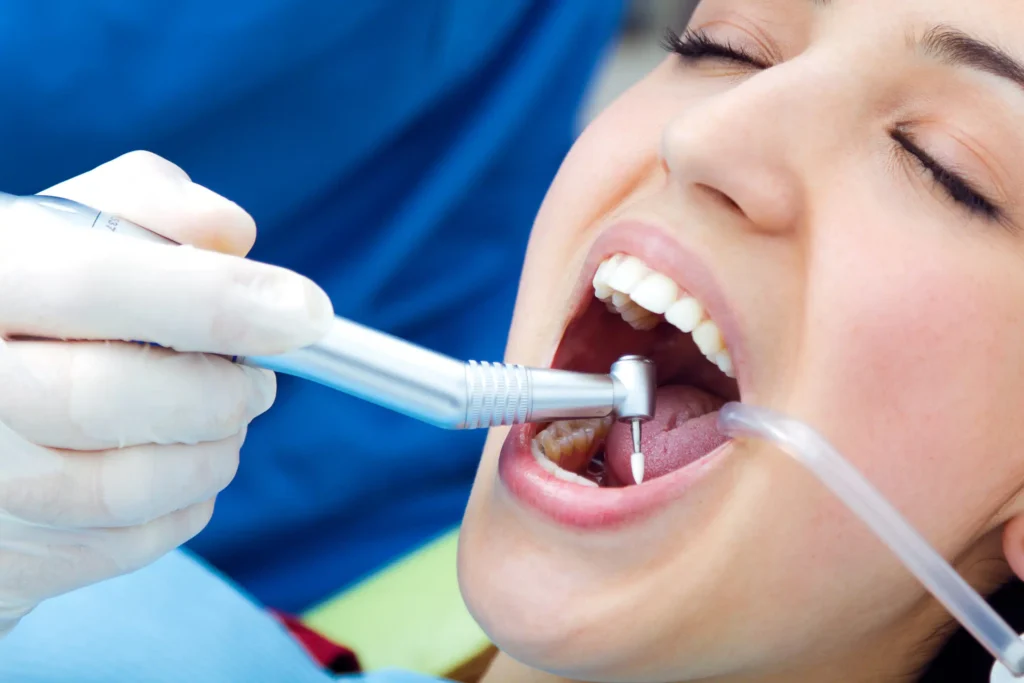
Dental implant surgery is a dental operation intended to replace lost or decayed teeth with artificial teeth, which perform and appear like normal teeth. It begins by inserting a small titanium post in the jawbone which serves as a strong base to the replacement tooth. After the post is incorporated into the bone, a crown is cemented over it and this makes the tooth complete.
Having the dental implant surgery is not purely cosmetic. It assists in regaining your capacity to chew and talk correctly, prevents the movement of neighboring teeth, and maintains your jaw structure.
The effects of dental implant surgery are more than a perfect smile. It offers tooth restoration during implants and veneer placements that is long-lasting, enhances oral health, boosts confidence and promotes overall facial appeal. Dental implants may have a lifespan in the span of many years under proper care, and it is therefore a credible solution to sustaining the functionality as well as the aesthetics of the mouth. This treatment is a part of cosmetic dentistry which gives you a beautiful job.
Preparing for Dental Implant Surgery
Preparation for dental implant surgery begins with a proper consultation with your dentist. In this visit, your dentist will examine your oral condition, give you X-rays or scans, and examine your medical history to ensure that you are a good procedure candidate. This is necessary to have a proper plan on how to perform the surgery and guarantee the maximum results possible.
Pre-surgical Directions: Take any medications your dentist recommends in regard to eating, drinking, or taking medications before the surgery. Remember to have a ride scheduled in case you are put to sleep and a place of rest in the house. Good oral hygiene before the surgery would also be beneficial in reducing the chances of infection and assisting in quick healing.
With such preparations, you will be putting yourself at an advantage of having a much easier dental implant surgery experience, as well as a faster, more comfortable recovery.
After Dental Implant Surgery
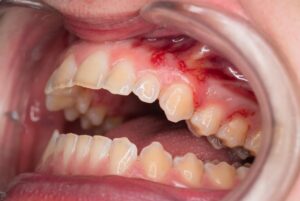
The mouth requires a bit of care to heal well after dental implant surgery. A slight swelling, tenderness or some discomfort in the initial days is normal. To maintain the area clean and minimize the chances of infection, your dentist might prescribe soft foods, mild brushing, and rinsing with a slight solution of salt water.
Self-care post-dental implantation surgery is a major factor in achieving a pain-free recovery. Say no to hard and sticky food, do as your dentist said, and also visit any follow up appointment to ensure that everything is healing correctly. Your new tooth will find a new home quite well with the proper care and you will be smiling and eating again.
Dental Implant Surgery Recovery
Dental implant surgery recovery is not a quick process that one can easily undertake, but proper knowledge of what to anticipate can help one to undertake the process with ease. Immediately after the surgery, one may have some swelling, pain, or bruising in the area of the implant. Such symptoms tend to take place at the beginning, that is, in the first two or three days and then they slowly improve.
The first one is the week of rest and doing as your dentist tells you. Eat soft foods, do not touch the implant, and rinse it out with saltwater or any prescribed mouthwash. By week two, the swelling and discomfort have generally disappeared and you can gradually resume your normal diet.
Some of the tips that can be shared to accelerate the recovery of dental implant surgery are maintaining the cleanliness of your mouth, avoiding smoking or drinking alcohol, taking medications as required, and following up on appointments. By listening to your body and allowing yourself to heal, you will make sure that your body has assimilated your implant with your jawbone, predetermining the appearance of a strong, healthy, and long-term smile.
Dental Implant Care After Surgery
The correct maintenance of dental implants post operation is the most important in ensuring your new tooth lasts several years. The most important thing in your routine is to keep the place where the implant is kept clean. Brush your teeth softly two times daily and brush around the implant with a soft-bristled toothbrush. To prevent infection and help your recovery, it is possible to rinse with a mild saltwater solution or any type of mouthwash that has been suggested by your dentist.
It is important to pay attention to the food you consume within the first few weeks. Hard, sticky or crunchy foods should be avoided as this may cause the implant to be upset. Sticky foodstuffs such as yogurt, smashed vegetables, and soups will be the best to consume when your mouth is still healing.
Long-term dental implant care post-surgical follow-ups are necessary as regular follow-ups. Your dentist will oversee the healing process, examine the stability of the implant and ensure that everything is as it is supposed to be. Brushing teeth, visiting a dentist, and heeding the advice of your dentist will ensure that your smile is healthy, functional, and attractive over the years to come.
Risks and Considerations
Although the surgery for a dental implant is usually safe, one should understand that certain risks may occur. Others might be infected at the site of the implantation, suffer long-term swelling, or minor pain during the healing process. In some exceptional situations, the implant might fail to integrate well with the jawbone and thus may need further treatment.
Risks may be minimized by observing good dental implant care following surgery. Clean the area, do not smoke or drink alcohol during the recovery and listen to all the instructions of your dentist. In making follow-up appointments, you will give your dentist a chance to identify any problems in their early stages and be sure that your implant can heal properly and put you in a strong, long-lasting smile.
Conclusion
Dental implant surgery can be a sure method of healing missing or damaged teeth, improving the health of the mouth, and safeguarding your smile. To achieve easy healing and success of dental implants, good oral hygiene, a good diet, and frequent checkups are necessary after the surgery.
To ensure that your dental implants are well maintained, always seek personalized advice from a professional. The correct actions prior to, in the process and after the procedure will keep your smile healthy, functional and self-assured over the decades. Visit Broadway Family Dentists to read about dental health.
FAQs
How much time does dental implant surgery take?
The process normally consumes one to two hours per implant. This may be different based on the number of implants you require and also based on whether you need any other surgery such as bone grafting.
Is dental implant surgery painful?
The majority of individuals suffer a little since local anesthesia or sedation is administered when performing the procedure. Swelling and tenderness are expected after dental implant surgery, which is frequently cured by over-the-counter pain medication and appropriate care.
How many days or weeks does it take to heal from a dental implant?
Recovery is subjective but with a span of one to two weeks, the majority of people experience great improvement. It can take several months to achieve the full union of the implant with the jawbone and therefore it is important to follow the instructions of your dentist to achieve an easy time in the recovery of the dental implant surgery.
Which foods could harm healing after dental implants?
In the early stages of healing, it is preferred not to eat hard, sticky, and crunchy foods that may disturb the implant site. Soft food materials, such as soups, yogurt, mashed vegetables, and smoothies are the best when the mouth is still healing.
What should I do to maintain my dental implants?
The dental implant maintenance after surgery involves brushing teeth with soft bristles, rinsing the teeth with prescribed mouthwash, flossing and having a regular check-up. Regular maintenance is the key to keeping your implants in good shape and your smile bright.