







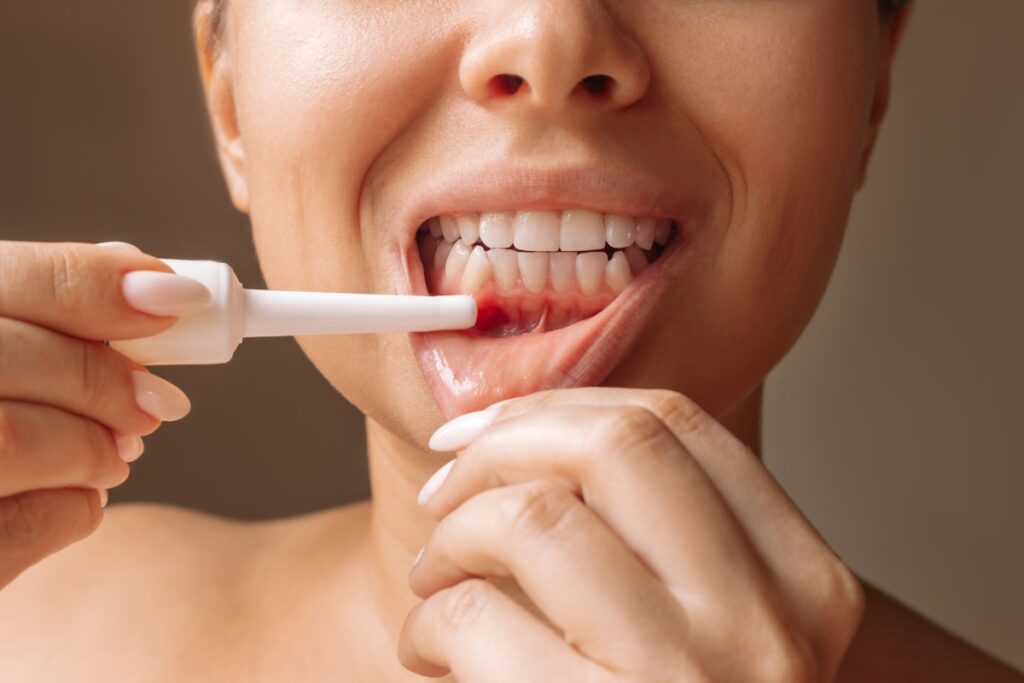
A mouth ulcer may develop quickly and disrupt your daily routine, including how you eat, drink, or talk. They occur as little sores within the mouth. While they are typically harmless, they may also be quite painful. Individuals experiencing mouth ulcers often think about how to cure mouth ulcers fast at home.
There are various commercial remedies for treating mouth ulcers, but one can also consider natural home remedies. It will help to reduce discomfort and promote healing without taking medications. Home remedies will help you to deal with mouth ulcers quickly.
Understanding Why Mouth Ulcers Occur
Mouth ulcers can form due to any of the major or minor issues. Minor injuries to the inside of the mouth can cause mouth ulcers. Stress, not getting enough of certain nutrients, and irritation caused by some types of food are common causes of mouth ulcers. Mouth ulcers can take one-two weeks to heal, but they can be very painful and affect day-to-day activities. Home remedies work by relieving the pain and inflammation of a mouth ulcer and helping the body to heal itself. Seeing a professional in general dentistry also plays an important part in avoiding recurrent mouth ulcers.
Common Triggers That Cause Mouth Ulcers
Mouth ulcers can be developed due to various causes. One of the biggest causes is biting the inside of your cheek or tongue. Eating very spicy food or highly acidic foods can irritate the inside of your mouth and may cause ulceration. Sometimes stress or lack of sleep can lower your immune system and make it easier to get a mouth ulcer.
For individuals with dental treatments such as Denver Dental Implants, oral hygiene is critical to ensure the overall health of your mouth and reduce the chances of ulcer development. It helps you to fight off further irritation.
Low levels of vitamin B12, iron, folate, and additional vitamins can potentially lead to recurrent mouth ulcers. Eating balanced meals and using the appropriate oral hygiene practices can also help prevent the development of mouth ulcers.
Natural Remedies That Help Mouth Ulcers Heal Faster
Home remedies can be used to alleviate the discomfort caused by a mouth ulcer. These remedies help in promoting faster healing. Most of these remedies consist of simple items, commonly found in kitchens or pantries. Natural remedies also help with tooth sensitivity.
Salt Water Rinse for Natural Healing
Using a salt-water solution to rinse your mouth can be one of the most effective natural remedies for healing a mouth ulcer. Salt serves as a natural disinfectant and kills bacteria, cleaning the wound and keeping it safe from becoming infected. Salt also helps reduce the excess fluid from the progressively swollen tissue and aids in reducing inflammation and pain.
The individuals receiving teeth whitening treatments should probably already use warm salt-water rinses at least 2-3 times each week to maintain good oral hygiene. It will help to protect and soothe sensitive areas of your teeth.
Combine half a teaspoon of salt in 1 glass of warm water to make the salt-water rinse. You should gently rinse your mouth for approximately 30 seconds at least 2-3 times daily to improve healing.
Honey and Its Soothing Benefits
Honey is widely recognized as having antibacterial and anti-inflammatory qualities and provides a coat around an ulcer that helps to keep the ulcer moist for a quick recovery time. Honey promotes healthy oral tissue ans speed up the healing process. So, after having a laser dentistry session, it is recommended by the dentists to use honey.
How Honey Supports Faster Recovery
Mouth ulcers can be healed by applying honey to them several times. It helps to ease the irritation and pain. In addition to becoming less sensitive over time, honey helps to keep the ulcer from developing into an infection, and tissue repair takes place more quickly. Use of honey regularly with good orthodontic care helps ensure that mouth ulcers do not become worse due to braces or aligners.
Cooling Relief with Aloe Vera
Aloe vera, known as Aloe barbadensis, has been known as a healing plant for centuries and historically has been used to treat wounds. The gel found in aloe can also be used to help alleviate discomfort caused by mouth ulcers, i.e., canker sores.
Using Aloe Vera for Oral Comfort
If you ever have a canker sore, you can apply aloe vera directly to the sore itself to help cool it down. Aloe vera gel can also help to decrease the inflammation caused by the sore and to speed up the healing of the tissue that has been damaged by the sore. If you apply aloe vera gel on a regular basis to an ulcer, it may speed up the healing process and alleviate some discomfort associated with the ulcer.
Conclusion
Mouth ulcers can be quite painful, interfering with your normal oral functioning. It makes it difficult to chew and swallow food. They can be treated with various home remedies. If they worsen, you should get medical help. Practicing good oral hygiene and eating healthy foods helps to reduce the chances of canker sores occurring. You can visit your trusted dental place, Broadway Family Dentist, where the professionals provide complete care for all types of oral problems.
Frequently Asked Questions (FAQs)
What causes mouth ulcers to appear suddenly?
Mouth ulcers can occur as a result of minor trauma, stress, certain foods, vitamin deficiency, and irritation to the gums from dental work.
How long do mouth ulcers usually take to heal naturally?
Mouth ulcers generally take 1-2 weeks for complete self-healing. The use of natural remedies may speed up your body’s ability to heal naturally.
Can salt water rinses really help cure mouth ulcers?
Yes, it does so. A warm saltwater rinse will decrease the number of germs, help with pain from inflammation, and encourage healing of the mouth ulcers.
Can stress trigger mouth ulcers?
Yes, stress and lack of sleep can cause the immune system to weaken, increasing the chances of the development of mouth ulcers.
When should I consult a dentist for mouth ulcers?
If your mouth ulcer does not go away even after two weeks, is very painful, or recurs often, you should consult with your dentist.