






Swollen or puffy gums are not only bothersome, but also can indicate something is happening in the mouth that should be evaluated. Persistent swelling of the gums may indicate potentially serious underlying conditions that need to be treated or closely monitored. In order to prevent complications from gingival swelling, it is helpful to understand puffy gums causes, as well as to maintain your overall oral health, especially as it relates to general dentistry concerns.
The Hidden Puffy Gums Causes Leading to Severity
Puffy gums can result from various reasons. The gums can be irritated by poor hygiene as well as through normal developmental changes. Some of these puffy gums causes are discussed below to better understand the exact reason in your case. These puffy gum causes are given as:
Plaque Accumulation: The most common reasons for swelling of the gums are plaque. Plaque forms when food particles stay on your teeth long enough to promote the growth of bacteria that can irritate the tissue surrounding your teeth and gums.
Gingivitis and related severity: If the gum irritation is not resolved, it can create inflammation in the gum tissues, which is generally referred to as gingivitis. If not treated, gingivitis can lead to a more severe condition affecting the deeper tissues around the teeth, such as periodontal disease.
Hormonal changes: These changes are also one of the causes of puffy gums. Some people have swollen, puffy gums during pregnancy, menstruation, or puberty because hormonal changes cause increased sensitivity of the gum tissue. As a result, these hormonal changes can lead to the gums being more sensitive to plaque and bacteria.
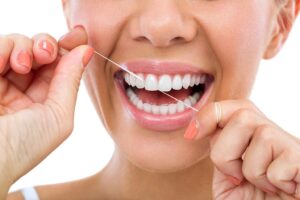
Inadequate Brushing Techniques: Improper techniques used while brushing or flossing are another factor that leads to swollen, puffy gums. Brushing with a very stiff-bristle toothbrush or using too much force when brushing can irritate the gums rather than protect them. Failing to floss regularly will leave food debris between your teeth. It can irritate the gum tissue and create swelling.
Medical Reasons for Puffy Gums
Gums can also become inflamed due to infection. Gum irritation is not the only cause. Bacterial or viral infections cause puffiness of the gums. It makes the gums painful and tender, causing oral discomfort. Bleeding, pain, swelling, or pus may present along with puffy gums.
Individuals with a compromised immune system or those with already existing medical conditions are more prone to developing puffy gums. Reduced immune system function makes it more difficult for the body to fight off infections, making the gums more vulnerable. For example, diabetes has a tendency to make the gums more susceptible to irritation and swelling.
Thus, it is important to consider your oral health in relation to your general health. Most advanced gum issues can be treated with restorative dentistry procedures, such as Denver Dental Implants and other restorative options, such as implants and veneers, when gum problems lead to tooth instability or affect the appearance of your teeth.
Nutritional Deficiencies and Their Impact
Without enough nutrients, the gums are weak and thus will become swollen. Vitamin deficiencies, especially a deficiency of Vitamin C, are important causes of gum problems. A body with insufficient nutrients cannot repair or maintain healthy tissue. Those who eat large amounts of processed foods generally have poor diets. An appropriate nutrition and diet include adequate amounts of fresh fruits and vegetables, whole foods, etc., which will provide our gums with the nutrients and support needed to repair from damage. Similarly, hydration supports gum health, thus reducing swelling and irritation.
Lifestyle Habits That Affect Gum Health
The daily lifestyle choices we make can directly affect the way our gums look and feel. One of the most prevalent causes of damaged gums is cigarette smoking. The smoking decreases blood flow to the gums, slows down the healing process, and increases the risk of inflammation. Some other lifestyle habits affecting gum health are:
- Stress: People do not often recognize the effect of stress on gum health. When a person is under significant stress, it weakens their immune system. This means that the body does not have the ability to protect itself against infections or fight inflammation found in the gums.
- Poor Dental Hygiene: When people do not have a consistent routine of taking care of their teeth and gums, the gums will change gradually. If someone were to skip brushing or flossing their teeth on a regular basis, it would create an environment where bacteria could grow rapidly and create inflammation in the gum tissues. As a result, people generally find themselves searching for cosmetic dentistry options or teeth whitening services to regain their confidence after their teeth and gums have been treated.
Allergic Reactions and Sensitivities
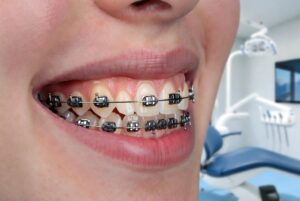
Some people develop puffy gums after exposure to allergens. Allergens in toothpaste, mouthwash, or food can irritate your gums and cause swelling and inflammation. In addition, some orthodontic care appliances, e.g., braces and improperly fitting dentures, can also cause irritation to your gums. Appropriate care of your braces and dentures by an orthodontist helps ensure that the dental appliances fit correctly and do not injure or damage your gum tissues.
When Puffy Gums Require Professional Attention
Mild gum swelling or puffy gums get better on their own and do not require any specific medical care. But if puffiness in the gums persists, you should seek medical help. Signs of extreme gum puffiness include continuous bleeding, excessive pain, and receding gums.
A qualified dental professional will identify the cause of your gum swelling and provide a treatment plan that will yield the best results for your individual needs. Treatment can include specialized dental services like laser dentistry, which can be used to reduce gum inflammation and target gum infection more efficiently.
Taking care of your gums early on will prevent simple issues from escalating into more complex problems that can impact your overall health, as well as your oral health.
Preventive Measures for Healthy Gums
It is important to be consistent with brushing and to recognize when your gums are unhealthy. Using a soft-bristle toothbrush will prevent injury when you brush twice a day. Flossing each day keeps spaces between teeth from collecting food.
Frequent dental visits are also important for determining any possible issues quickly. Professional dental cleanings will remove hard plaque that cannot be brushed off with normal care.
In addition to keeping teeth and gums clean, eating a well-balanced diet and drinking plenty of water will help improve your gums. Living an active lifestyle can also create healthy gums through exercise, not smoking, and managing your stress.
Conclusion
Puffy gums can commonly occur in individuals with poor dental hygiene. There are various causes ranging from simple plaque buildup to more complex health conditions leading to puffy gums. When one is able to accurately diagnose puffy gums, they can be managed in a timely manner. You can visit Broadway Family Dentist to get your teeth and gums checked by our dental professionals. They will guide you properly to improve your oral hygiene.