







New parents may be puzzled, fearful, or surprised as their child experiences loose teeth falling out. These experiences are the phases of normal growth and development of children. Losing primary, baby teeth and replacing them with secondary, adult teeth is a very significant event in the dental development of children. Understanding the process of teeth falling out in children allows parents to feel more confident about the child’s dental development. This helps them to develop good dental habits through general dentistry measures for lifelong oral health.
Why Do Young Children Lose Their Teeth?
Primary teeth falling out is an ordinary biological function that prepares the mouth to receive adult teeth. Most kids are born with 20 primary, baby teeth. These primary teeth help the child to chew and bite. It facilitates the dental framework to articulate appropriately and develop the basis for the proper positioning of the adult, permanent teeth.
As the child matures, the roots of the primary tooth progressively dissolve (break down). This is because the adult teeth begin to develop beneath the primary teeth, inside the jaw. When the roots are compromised, the primary teeth begin to loosen until they ultimately separate from the gum tissue, and they create space for the adult teeth to emerge. This is a natural transition that allows larger, more stable adult teeth to get in place.
The Typical Age for Losing Baby Teeth
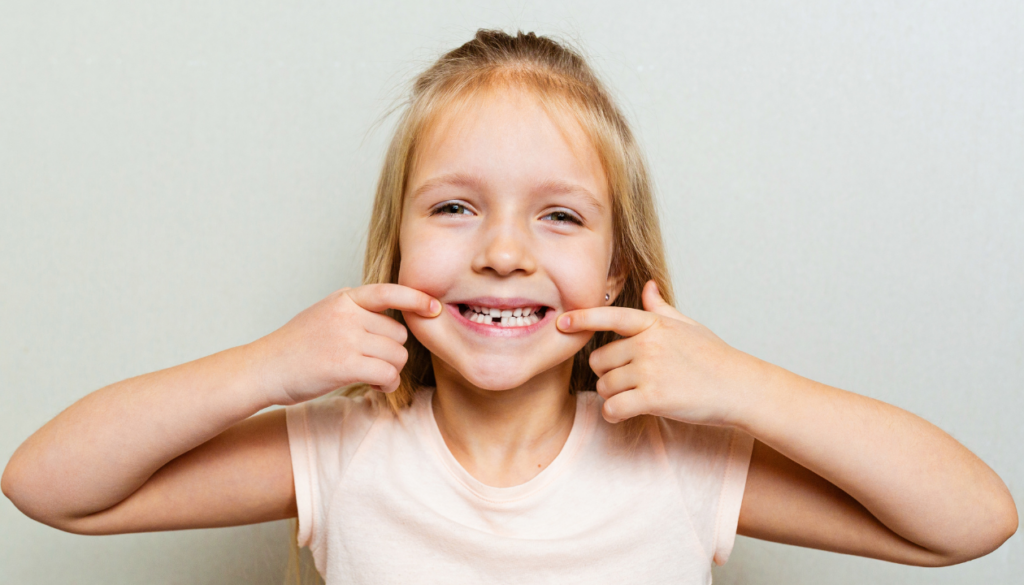
Six years of age is the typical age at which a child experiences teeth falling out. It is a part of the normal development process, but in some children, the age at which teeth fall out may vary depending on their age and size. During this process, the front, lower, mandibular teeth fall out first. This process of teeth falling out in children extends till 3 to 12 years of age, until all of the permanent teeth come in, except for the wisdom teeth, which come in later in life.
What Happens During Teeth Falling Out
Teeth falling out in children is normal. Children lose their teeth with the normal development process known as tooth resorption. During this process, the teeth of children become loose and start to fall. It happens to replace the primary teeth with the secondary, permanent teeth. In the process of tooth resorption, the tooth roots dissolve and lose their connection with the jawbone. This results in teeth falling out.
These internal changes usually occur without any discomfort and pain, excluding the need for any orthodontic care treatment. The teeth just get loose and fall out easily. Teeth falling out is common while the child is eating, brushing, or moving their mouth gently.
Signs of Teeth Falling Out
Parents can notice the signs of their child’s teeth falling out to be prepared for possible outcomes. If you notice your child’s teeth moving when they touch them with their finger or tongue, or if there is any puffiness or slight tenderness around the gums, it can be a sign of teeth falling out.
Moreover, when the child is very excited because they can wiggle their tooth a little bit with each passing day, it is also due to the process of teeth falling out. When a loosen teeth falls out, your child’s teeth may bleed a little. This small amount of bleeding is totally normal to occur, but if the bleeding is heavy (which is rare) or persists for more than the normal duration, you can consult a dentist.
How Parents Can Support Healthy Tooth Development
Losing baby teeth is a normal part of growing up. However, it is still very important to maintain good dental health while your child is losing his/her baby teeth. Parents should encourage their child’s growth by helping the child to develop good oral hygiene habits, such as at least twice-daily brushing.
Regular dental visits are essential. A dentist’s examination allows them to monitor the growth of the permanent teeth and ensure that the teeth are developing correctly. A balanced diet that contains adequate amounts of calcium and vitamins will also be helpful with the development of strong, healthy teeth and in maintaining a child’s overall oral health.
Some parents can also consider cosmetic dentistry procedures, such as teeth whitening, to enhance their child’s smile later in life. Implants and veneers can also be considered in the longer run, if your child experiences bite problems or has misaligned teeth.
When to Seek Dental Advice
Dental help is usually not required in natural teeth falling out in children, but if you notice some signs of discomfort in your child, you can. If your child loses a baby tooth early or suffers from pain or discomfort in the area where the baby tooth used to exist, you can consult a dentist. If you see permanent teeth coming into the area before the baby teeth have fallen out, you can seek dental help.
The need of dental monitoring is essential in children to reduce the risk of later dental complications, because adults can receive dental treatments for tooth loss or damage, such as Denver Dental Implants, but children cannot. They can, but later in life, due to their weaker dental framework.
Conclusion
Child’s teeth loosen and fall out to replace the primary teeth with the adult, permanent teeth. This is a normal process. If your child experiences any signs of discomfort during teeth falling out, you can get medical help. Regularly visiting the dentist and practicing proper oral hygiene helps children have healthy, strong teeth. You can get your child to Broadway Family Dentistry, where our professionals offer trusted, long-term dental care for all stages of life.
Frequently Asked Questions (FAQs) About Teeth Falling Out in Young Children
Which teeth fall out first in children?
Usually, the bottom front teeth are most susceptible to falling out in children. Afterwards, the top front teeth fall out, following the bottom front teeth.
Is bleeding common when a child loses a tooth?
Yes, it is totally normal. When a tooth falls out, it bleeds. Minor bleeding is common to experience. You can stop this bleeding by applying gentle pressure at the place with the help of a sterile gauze or a tissue paper.
What should I expect if my child loses a tooth earlier than normal?
If your child loses his/her baby tooth too early, it is good to get it checked by a dentist. He/she will help to identify the actual reason for this early tooth loss. It helps to reduce the chances of complications that may arise later.
Is it safe for parents to remove a loose baby tooth?
In most cases, it is recommended by dentists to let the teeth fall out naturally. But if the tooth is loose enough to cause discomfort, then gently moving the tooth may facilitate its removal from the mouth.
Is it possible for permanent teeth to come in before baby teeth are gone?
Yes, in many cases, permanent teeth begin to show behind or in front of baby teeth. Typically, this is to be expected. A dentist tells whether any treatments are necessary for this situation or not.