







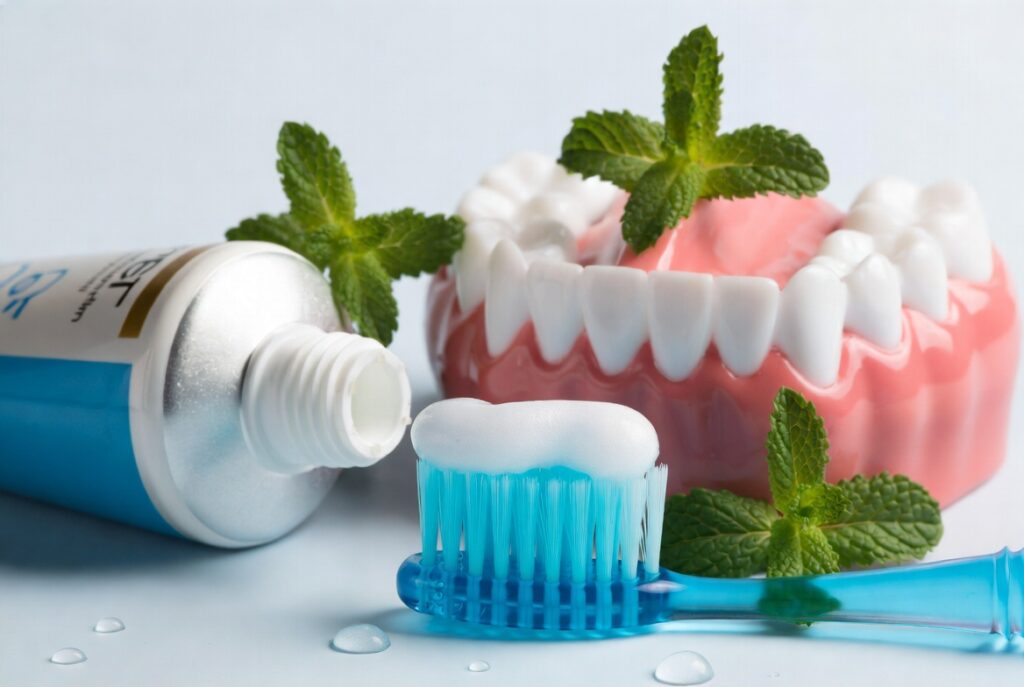
A common oral health concern in general dentistry that affects both the gums and the structures that support the teeth is periodontal disease. Periodontal disease can begin quietly with a little inflammation in the gums and develop into large problems if not properly managed. One of the easiest and most important things you can do to support gum health is to select the best toothpaste for periodontal disease.
While toothpaste seems like a basic item used daily, the best toothpaste for periodontal disease can play a big role in helping to reduce bacteria, limit plaque buildup, and strengthen your gums. Since there are many types of toothpaste available, finding the best toothpaste for periodontal disease can be difficult. By knowing what to look for and avoid, oral hygiene will be enhanced, as will the long-term health of your gums.
Why Toothpaste Selection Matters in Gum Health
Selecting the best toothpaste for periodontal disease is very important for healthy gums, as it can make a big difference in your oral health. There are various types of toothpastes, and each one targets a different oral health problem. For example, when dealing with periodontal (gum) disease, toothpaste should reduce harmful bacteria and maintain the integrity of your gums. A good choice of toothpaste will help reduce plaque build-up, soothe irritated gums, and provide the best possible conditions for your mouth.
If you are using the wrong toothpaste or a toothpaste too harsh for your gums, your sensitivity will worsen, and your recovery time will increase. Therefore, one of the most important things you can do when managing gum disease is to select your toothpaste wisely.
Some people also look for antibacterial mouthwash for periodontal disease to use along with brushing to help provide the best protection from infection and decrease the bacterial load if used correctly.
Key Ingredients That Support Gum Protection
Toothpastes that promote gum health contain elements known to combat bacterial infections and create stronger supports for the soft tissues in the mouth. When combined, daily use of these types of products reduces the amount of plaque on the teeth, promotes the overall health of your gums over time, and helps people select the best toothpaste for periodontal disease and other periodontal care products with assurance.
Antibacterial and Fluoride Support Explained
Tooth enamel benefits from fluoride strength as well as from antibacterial agents that will help fight against bacteria in your mouth. Antibacterial agents will reduce swelling and also prevent more bacteria from getting into the gums and body.
Fluoride helps strengthen enamel while preventing tooth decay, which occurs more frequently when the gums are weak due to gum disease. Both of these ingredients work together to provide a complete and balanced method for protecting the teeth and gums through a daily brushing regimen.
Ingredients and Formulations to Be Careful With
Toothpaste for periodontal disease can be very different, and not all types are appropriate for everyone with gum disease. Many toothpastes have very strong abrasives or harsh chemicals that can irritate sensitive gums. Strong teeth whitening or deep cleaning are often the main reasons these types of ingredients are used. However, they are not always helpful to someone who has a compromised gum health status.
How Harsh Abrasives Can Affect Gum Health
The abrasive material used in most toothpaste for periodontal disease is supposed to help clean your teeth or remove small amounts of surface discoloration to make your teeth look whiter. Using too much abrasive material can potentially irritate your gums and cause additional wear in the areas where your gums have been damaged. Therefore, you may experience discomfort as well as slower healing.
Most people would benefit from using more gentle types of toothpaste for periodontal disease since they provide an equally effective cleaning, but they do not create as much stress to the gum tissue or to the other tissues surrounding the teeth.
Matching Toothpaste with Individual Dental Conditions
People experience periodontal diseases in many different ways, it is important to select the best toothpaste for periodontal disease based on individual needs. Various factors, including whether the gums are sensitive, whether there is bleeding from the gums, and the amount of plaque buildup that has occurred, will help determine the best choice for toothpaste.
- Toothpaste for Sensitive Gums: When selecting toothpaste for sensitivity or irritation of the gums, antibacterial ingredients are usually beneficial to provide antibacterial properties while helping to soothe an individual’s irritated gums.
- Toothpaste for Tender Gums: When someone has tender gums, a formulation with additional ingredients that target inflammation and will help to heal their tender gums will be more effective than a toothpaste that simply provides antibacterial properties.
You can consider using the following as the best toothpaste for periodontal disease, recommended by the professionals:
- Parodontax Complete Protection Toothpaste
- Colgate Total Gum Health Toothpaste
- Crest Gum Detoxify Toothpaste
- Sensodyne Pronamel Gum Health Toothpaste
Sensitivity, Bleeding Gums, and Plaque Control Needs
One of the most common dental problems that develops is the buildup of plaque while suffering from periodontal diseases. People with problems relating to plaque should select toothpaste for periodontal disease with a higher level of plaque control. By selecting toothpaste that provides specific relief from plaque accumulation, the chances of recurrence of gum disease will decrease drastically, reducing the need for advanced dentistry procedures, such as laser dentistry, to help treat the condition.
Professional Guidance and Daily Oral Care Routine
Toothpaste is an important part of good periodontal maintenance, but it is only one component of proper periodontal care. You can consider the following for the best periodontal care practices:
- Professional Visits: Regular dental check-ups and professional cleaning appointments are essential to effectively manage gum disease. In addition, dentists are able to determine the best type of toothpaste for you based on the severity of gum disease you have, and they will also monitor your progress over time.
- Daily Care: Your daily oral hygiene will also be a major contribution to the health maintenance of your gums. Many dental professionals will also recommend you use antibacterial mouthwash for periodontal disease, or may recommend the best mouthwash for periodontal disease based on your individual needs.
Combining Toothpaste with Proper Brushing Habits
Good periodontal toothpaste itself cannot make an impact on your gums and teeth unless you are brushing them properly. Brushing your teeth twice a day with a soft toothbrush will lead to less irritation of the gums while allowing the ingredients of your toothpaste to perform the functions they are intended to.
Brushing above and below your gums as well as on the surfaces of your teeth where plaque accumulates will help establish good oral habits. When you consistently establish these good habits and get professional care from your dentist, your toothpaste will help treat periodontal disease properly.
Conclusion
Periodontal diseases can affect the oral cavity and overall functioning of your teeth and gums. It makes oral health suffer. This risk of developing such conditions and reducing the progression of disease, if it has occurred, can be done by practicing a healthy oral care regimen and including the best toothpaste for periodontal disease in it. It will help reduce the dental and oral complications and benefit the individual by reducing the recovery time. You can also get professional help from professionals at Broadway Family Dentists.