










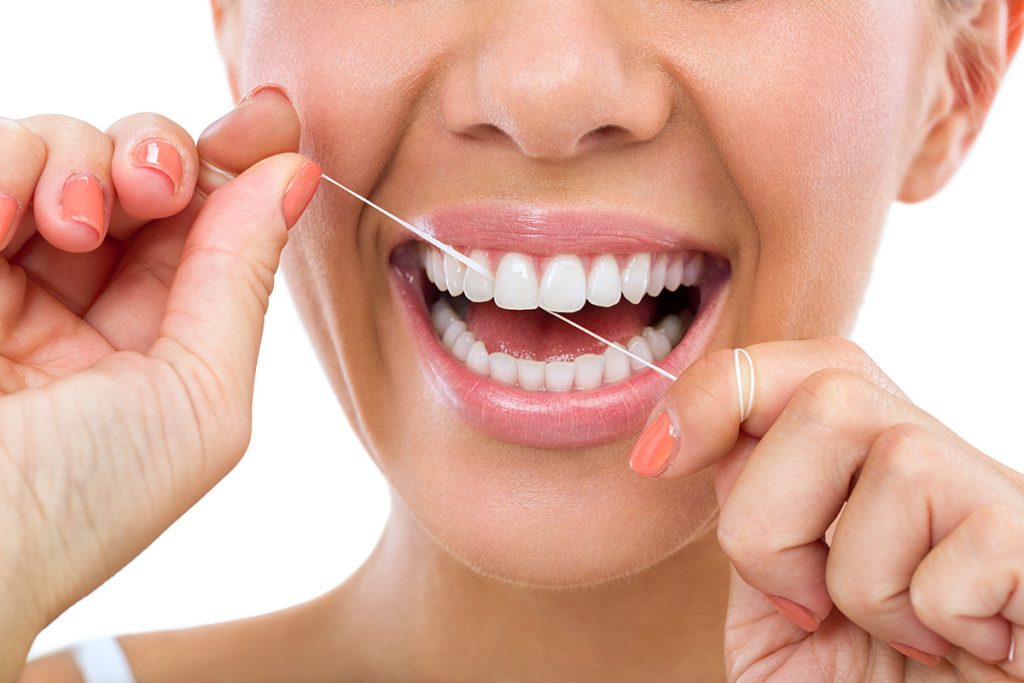
Flossing is not a routine. It maintains a healthy and fresh smile. Many people brush their teeth every day, but they do not floss. This results in plaque and food particles lodged between teeth, leading to cavities and gum problems. It is really significant to learn how to floss properly. With the proper method, equipment and suggestions, you can secure your teeth and gums and make flossing simple. This blog will explore tips and tricks for cleaning all areas of your mouth with expert guidance.
Why Flossing Is Important for Good Oral Health
Flossing removes plaque and food particles that brushing can not remove. It help to prevent hollows, periodontal disease and foul breath. It maintains healthy gums and strong teeth for a long time. Knowing how to dental floss properly and how to floss teeth guarantees that you derive maximum benefits.
Regular flossing help to maintain dental health and ensure that you have a good-looking smile. To get additional dental care tips, visit General Dentistry for information on daily oral hygiene.
Types of Floss in the USA
Select the floss that fits you. Waxed floss is easy to slide, whereas unwaxed floss is a good gripper. Dental tape is used for large gaps and floss picks help clean easily on the go. Watery floss is also available in the USA. You can choose the most suitable one to enhance your daily smile in your social circle.
Guidelines for Selecting the Proper Flossing
Select comfortable floss. Soft floss is used for sensitive gums. Special options can be requested from your dentist if you have braces or implants. Flossing is made more convenient and effective with the right tool.
How to Floss Your Teeth in 3 Easy and Simple Steps
Healthy teeth can not rely only on daily brushing. Flossing plays a key role in maintaining good oral hygiene over the long term. Many people in the US ask how to floss their teeth properly. It is a very simple procedure with three easy steps given below:
Step 01 is to Prepare the Floss
Take an 18-inch dental floss and wrap it around your middle finger. Make sure that you leave some amount between your teeth. You can wind the remaining floss on the fingers of your second hand. The remaining one can be used for a take-up spool.
Step 02 is Slide and Curve
Move the floss down the side of your teeth by gently rubbing. Roll it around every tooth in the form of C. It is the slide and curve method that is dentist-approved for proper flossing. Do not forget to maintain a gentle rubbing or sawing motion to prevent gum damage.
Step 03 is Move Up and Down
Floss the floss up and down to get rid of food particles and plaque buildup. Do not snap it on your gums and be gentle. It help to prevent gum irritation or damage. Repeat the C movement and gently rub all teeth in your oral cavity.
Common Mistakes to Avoid During Teeth Flossing
Flossing is an important technique you should practice regularly. These are the steps to learn how to floss and keep your teeth beautiful. To get some ideas on how to make your smile bright, visit Cosmetic Dentistry. The common mistakes to avoid during flossing are as follows:
- Overbrushing of gums and rupturing them
- Brushing backward on teeth with plaque
- Reusing dirty floss
- Flossing only occasionally
These are the errors to avoid to make the most of flossing. If you have implants, Denver Dental Implants can help you learn special care tips when cleaning them.
Tips to Make Flossing Easier
Flossing is a healthy lifestyle habit that can enhance your smile when done properly. It does not replace daily brushing but it help to boost brushing results. You can follow these tips to maximize your flossing results.
- Brush twice daily
- Floss holders should be used when fingers are stiff
- Flossing should be an evening or morning activity
- Flavored floss can be used to get more motivation
Flossing can be easily and fun done with little adjustments. For additional recommendations on preserving healthy teeth, visit the Teeth Whitening and Laser Dentistry services.
Conclusion
Flossing is an easy procedure and helps to keep your smile safe daily. When done properly, it help to eliminate invisible plaque, prevents periodontal disease and keeps the teeth healthy. Always prevent the mistakes people make when flossing by using proper tools. If you have braces, implants or sensitive gums, you should stick to these tips to keep your mouth healthy. It should be something you do every day and you may have a bright smile.
Broadway Family Dentist can be relied upon to take care of you and provide expert advice. It is a proper dental guide for flossing. You can follow it because expert dentists proofread it before posting. You can share your valuable concerns about how to floss properly in the comment sections.
Frequently Asked Questions (FAQs) Regarding How to Floss Properly
What is the frequency of flossing the teeth?
You can floss daily, preferably before bedtime. Flossing every day eliminates the need for brushing, which can miss some food particles and plaque. It helps to maintain healthy gums and prevents cavities.
Can I floss too much or not at all?
No, over flossing is also irritating to gums. It is recommended to clean between the teeth with a soft bristle toothbrush once a day to avoid damaging them.
Which kind of floss is the best in terms of gum sensitivity?
You can use soft floss or dental tape for sensitive gums. Waxed floss is painless to use, and bleeding also lessens. This does not mean it is not good for eliminating plaque.
Is flossing effective for bad breath?
Absolutely right! Flossing removes food that is lodged between teeth and eliminates bacteria, thereby avoiding bad breath and keeping your mouth clean.
What should I do to floss around dental implants or braces?
Apply floss threaders, implants, veneers or braces with specific floss. Carefully brush around every tooth or implant to prevent damage during plaque removal.