









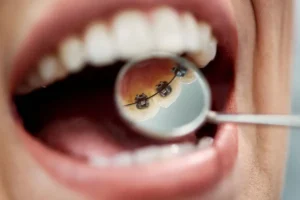

Tongue piercings are a common way to express yourself, but they must be taken with special care and consideration while they heal. There is a lot of bacteria found naturally in your mouth, failing to provide good care for your tongue piercing and leading to an increased risk of infection. This infection of tongue piercing can be a reason for long-term suffering, making it difficult to chew and swallow food.
Providing yourself with the piercing awareness to help avoid its related complications and to manage any signs of infected tongue will ultimately allow you to reduce the risk of prolonged healing. It also provides long-term satisfaction.
Understanding the Healing Process
Understanding how a tongue piercing will heal is important when you first have it done. A typical tongue will heal in 4-8 weeks. You may experience swelling, a small amount of discomfort, and perhaps redness during the first few days after your piercing is done. All of these symptoms should improve with proper oral hygiene and care in the following days.
On the other hand, any continuing pain, extreme swelling, thick discharge, and fever could be possible signs of infected tongue. Identifying the difference between normal healing and an infection will be important in determining whether or not you need medical attention.
Common Causes of Tongue Piercing Infection
Tongue piercing can be very irritating, causing discomfort in speaking, eating or swallowing. Understanding the causes of infection of tongue piercing can help reduce the chances of infection. Some common signs of infected tongue are given below:
Lack of Proper Hygiene
If you do not maintain good oral hygiene, you will develop many harmful bacteria around the piercing. If food particles collect at or near the jewelry, this can cause even more irritation. So, poor oral hygiene is one of the major causes of infection of tongue piercing.
Repeatedly Touching the Piercing
Touching the piercing with dirty fingers can introduce harmful bacteria directly into the body and contribute to the infection of tongue piercing.
Piercing Jewelry
Poor-quality piercing jewelry can cause irritation and infection. This causes irritation of the surrounding tissues and slows down the healing. Jewelry made from surgical-grade titanium or stainless steel is best for new piercings.
Smoking and Drinking Alcohol
Smoking and drinking alcohol will prolong the healing process and increase the chance of developing an infection of tongue piercing and inflammation.
Preventive Measures for a Healthy Healing Period
The most efficient way to avoid infection of tongue piercing is to take some preventive measures. The following guidelines are given to help lower the risk of developing an infection of tongue piercing. Gently brush your teeth with a soft-bristle toothbrush, at least twice daily. Use a mild, alcohol-free mouthwash after every meal to rinse out any food particles. Rinsing with a warm saline solution can help reduce the bacteria in your mouth and soothe irritated tissues. Fighting against the infection of tongue piercing requires substantial amounts of fluid. So, drink large amounts of fluids throughout the day to constantly flush out bacteria from the mouth and throughout the body.
Signs That Require Attention
Make sure you check your piercing regularly. Be aware of anything not typical with your ear. If there is a significant amount of swelling or if it continues even after a week, it may indicate a problem. If your pain does not subside or reduce in intensity within a few days, it may indicate there is a possibility that something is wrong.
Other signs that could point to an infection of the tongue piercing are yellow or green drainage with a foul odor. If you develop a fever or swelling in the area surrounding your lymph nodes, it is an indication that your body is fighting an active inflammatory condition in the body.
Additionally, if you notice any of these signs of an infected tongue piercing, you should go to your local piercer or your doctor to seek treatment. Getting help early will minimize complications and help your body to heal faster.
How to Treat a Mild Tongue Piercing Infection
An infection of tongue piercing usually does not require medical treatment. But if you notice that your symptoms have not improved after 48 hours, then you should seek medical treatment. The following tips can help you treat the infection of tongue piercing:
Gentle Cleaning
Do not remove your jewelry when you get a piercing infection. Removing it may trap the infection in the wound and delay the healing. After piercing, continue rinsing the area with saline three to four times per day to reduce the risk of infection.
Cold Compress
Cold compresses can be applied externally to reduce swelling and provide comfort. Cold compresses not only reduce the inflammation but also reduce the pain by soothing the nociceptors. This helps reduce pain perception and results in overall pain management.
Over-the-Counter Pain Relief
There are many types of over-the-counter medicines that you may take to help reduce pain. Always follow dosage recommendations as recommended by a healthcare professional.
Healthy Rest and Nutrition
One way to support your immune system is by getting plenty of rest. You can also speed healing by eating a balanced, nutritious diet. Allow the piercing to heal by itself for better and faster recovery.
When to Seek Professional Care
If you have a problem with your piercing, please contact your health care provider or a licensed piercer. If it gets worse or does not improve after about three days. You may need antibiotics to treat a bacterial infection of tongue piercing. Early treatment is necessary as a delayed treatment may lead to severe problems, such as an abscess formation or a systemic infection that will affect other parts of your body.
Your dentist can also evaluate your teeth and gums for swelling caused by the piercing. A professional in general dentistry can provide safe and quality treatment for the dental infections that may arise due to infection of tongue piercing without compromising the health of the mouth.
Long-Term Care After Healing
It is important to maintain good oral hygiene even after the piercing site has completely healed. It is important to use high-quality jewelry for tongue piercing. Whenever you remove the pierced jewelry, you should clean it properly before wearing it again. Regular dental visits will allow your dentist to monitor your overall oral health and to assess for issues regarding your piercing. Orthodontic care helps reduce the chances of infection of tongue piercing. To avoid injury to your piercing site, do not bite on the jewelry. Damaging your piercing will lead to an injury to your teeth and gums as well.
Final Thoughts
A tongue piercing can be both pretty and safe. So, you are responsible for the care of the pierced area. The likelihood of developing an infection of tongue piercing depends upon proper hygiene while healing. In most cases, a mild infection of tongue piercing can be successfully treated through proper cleaning and providing support to your body through a good diet while it heals. If any symptoms persist, please consult your healthcare provider immediately.
You can also visit Broadway Family Dentist to get your piercing checked by our professionals. Being aware of the actual healing process, you will be able to enjoy your new tongue piercing with fewer problems during its recovery.
FAQs About Infection of Tongue Piercing
How much time is required for a tongue piercing to heal?
A tongue piercing usually takes between four-eight weeks to heal completely. In the first few days after the piercing, it is common to experience swelling and some pain at the piercing site. These symptoms improve with proper aftercare.
Is swelling normal after getting a tongue piercing?
Your tongue will swell normally for about the first few days after obtaining your piercing, but if you experience prolonged or worsening swelling of your tongue after the first week, there may be some sort of infection. So, you should get it checked by a doctor or a professional piercer.
When should a doctor be consulted for a tongue piercing infection?
If you notice that your symptoms of an infected tongue have not improved within several days, or if they have worsened significantly, you should consult a doctor. Additionally, if fever, difficulty in breathing, or swallowing occurs, you should get immediate medical help.
Can smoking affect tongue piercing healing?
Yes, smoking is known not only to prolong the healing time of tongue piercings but also to increase your risk of developing an infection. It is due to irritation of the soft tissues in your mouth and exposure to toxins from tobacco.
Can a tongue piercing cause long-term oral problems?
Yes, they can. If you fail to care for your tongue piercing, you may experience irreversible damage to your gums. It can also lead to chipped teeth and recurrent infections.