







Children, young people, and elders, everyone, have experienced sore gums at times in their lives. For most people, this type of pain tends to be mild. However, if the pain in your gums continues, there could be some form of more serious dental issues going on with you and your teeth. You may also feel discomfort from having a canker sore beneath your gums, along with sore gums, which can affect your eating habits and the way you speak. This article presents you with the causes, symptoms, and the best way to treat your sore gums.
The Usual Suspect Behind Sore Gums
Minor irritations and injuries can result in sore gums. Bad oral hygiene due to inconsistent dental care causes sore gums to form. Gum inflammation occurs as a result of bacterial plaque accumulation. Whenever you brush aggressively or use a hard-bristle toothbrush, you can damage your gums. The diet you intake also impacts the development of sore gums.
Minor injuries that occur as a result of irritation from dental appliances such as braces or dentures, and canker sores, can also be a reason for sore gums. If you have special cosmetic dentistry procedures, i.e., Denver Dental Implants, done, it can also be a reason for sore gums. These may cause the gums to become irritated and lead to inflammation. Moreover, hormonal changes during menstruation and pregnancy can also cause sore gums in an individual.
The first step to treating your sore gums is figuring out their cause. By determining whether your sore gums are temporary or due to a long-term condition, you can begin to prevent further problems. You can get it checked by a professional in general dentistry to better understand your state and the reason for discomfort.
Gum Disease as a Serious Concern
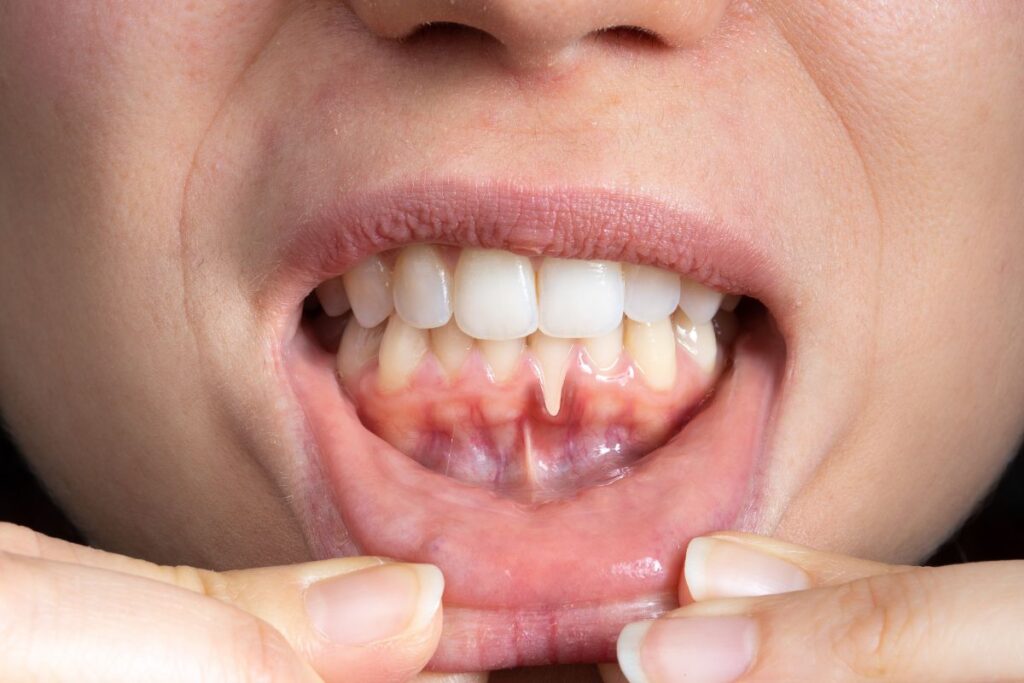
Gum disease or infection is also called gingivitis in the early stages of infection. It can lead to gum inflammation and irritation. It makes oral functioning difficult. Untreated gum disease advances to periodontitis and can eventually damage the bones and the tissues that support your teeth.
Symptoms consist of swollen gums, red gums, bleeding when brushing your teeth, and constant pain or tenderness in your mouth when chewing. Early identification and proper dental care are extremely important to successfully manage gum disease. You can also opt for orthodontic care options. These will help you to enhance your oral and dental functioning and overall health.
Vitamin Deficiencies and Nutritional Impact
Vitamin deficiencies can also cause sore gums and canker sores in the mouth. It may also lead to swelling in some instances. Specifically, vitamin K or vitamin C deficiencies may be the potential reasons for gum sores and bleeding gums. A diet that is deficient in vitamins does not allow for gums to be healthy and lessens the gums’ ability to recover from minor injuries or infections. The significance of nutrition in periodontal health is critical. One’s dietary intake is important for the overall health of both the gums and body.
Proven Home Remedies for Irritated and Sore Gums
When you use the sore gums remedy, it provides you with quick relief by alleviating pain. You can use gentle brushing with a soft-bristled toothbrush and a mouth rinse that does not contain alcohol. It will help reduce soreness in your gums and facilitate healing if any inflammation is present.
Warm salt water is also one of the most common home remedies for sore gums because it reduces swelling and kills bacteria in the mouth. Sticking with regular flossing is also essential in helping prevent the buildup of food particles between your teeth that can add to gum pain.
Herbal Treatments and Natural Care
Many natural and herbal treatments can help alleviate sore gums. It is one of the best methods to treat sore gums. Aloe vera gel is a natural anti-inflammatory and acts as a pain reliever that can be applied directly to the gums.
Antioxidants found in green tea support your oral health and limit the amount of bacteria that grows in your mouth. Clove oil has mild analgesic properties. These can help provide temporary relief for sore gums. But it is good to use the oil in moderation.
Signs It’s Time to See a Dental Professional
Most of the gum sores develop on their own and also heal on their own, but some subside with simple, quick home remedies, as they provide sufficient relief. But if your gum pain, inflammation, or sores persist or worsen over time, you should get a dentist to have a detailed examination. Your dentist can examine to check for problems related to advanced periodontal disease, infection, or oral lesions, i.e., canker sores on the gums. Routine dental examinations will alleviate any current discomfort, but also help you avoid long-term complications and maintain healthy teeth and gums. You can also have advanced dental procedures, such as laser dentistry, to help treat your dental issues after consulting your dental expert.
Preventing Sore Gums for Long-Term Health
Prevention is much better than treatment. To create good oral hygiene habits, you should brush your teeth two times each day, floss often, and rinse your mouth with mouthwash as often as possible to avoid the build-up of plaque.
Avoiding too much sugar and quitting the use of tobacco products can contribute to the prevention of gum sores from developing. When you stay hydrated by drinking plenty of water and consuming a balanced diet containing plenty of vitamins, it helps keep the gum tissue strong, which allows your sore gums to naturally improve.
Lifestyle Choices That Protect Your Gums
Many daily actions can contribute positively or negatively to your overall oral health. For instance, how you handle stress, whether you consistently exercise and get plenty of rest, strengthens your body’s immune response against infections that could cause gum disease.
Knowing and paying attention to early symptoms of irritation in your gums will allow for quick treatment and reduce the chances of developing long-term issues with your gums.
Basic things you can do to keep your gums healthy are to use either a home remedy for sore gums or to practice proper oral hygiene, both of which will help prevent many conditions associated with the health of your gums, including canker sores on your gums.
Conclusion
Having sore gums is often considered a minor problem, but if ignored, they could cause larger problems with your oral health. To maintain healthy and comfortable gums, it is important to understand the reasons for sore gums, how to take care of sore gums at home, and when it is necessary to seek assistance from a professional.
The most important factor to prevent discomfort and promote your long-term oral health is taking care of your overall health. Using home remedies and other strategies to reduce pain from sore gums can ensure healthy gums, create a healthy smile, and generally improve your well-being. You can have regular dental visits at Broadway Family Dentist.
Frequently Asked Questions (FAQs) About Sore Gums
What causes sore gums?
Screw gums can occur as a result of plaque buildup in your mouth. Hormonal changes and vitamin deficiency can also be reasons for developing sore gums. Whenever gums are irritated by any infections, such as gingivitis, or any irritation from braces or having dentures, it can lead to sore gums. Eating sharp, spicy foods can also be a reason for having sore gums.
How can I relieve sore gums at home?
Rinsing your mouth with warm salt water can be a good sore gums home remedy. Using a soft-bristle toothbrush and maintaining good oral and dental hygiene are good ways to treat sore gums on your own. Applying a cold compress to the sore gums also helps soothe them.
Can gum disease cause sore gums?
Definitely. Gum disease can be a reason for developing sore gums. Gum infections such as gingivitis or periodontitis can cause sore gums. Redness, swelling, and tenderness are often present in the gums when the sore develops. You should get it checked by your dentist to alleviate the symptoms.
What is the usual duration of sore gums?
Sore gums usually last for a few days but can persist if proper care is not taken. The soreness and the infection of the gums may persist for a long time and can cause serious oral issues. So, maintaining healthy oral hygiene and cleaning the mouth properly is important.
Can sore gums indicate a serious dental issue?
Yes, they can be. If you have an ongoing or intense irritation on your gingiva (gums), like persistent gum pain or irritation, it could signify any gum disease. Tooth decay, or more serious health issues, can occur later. So, sore gums can be a reason or a form basis for something quite serious.
When is it best to seek dental help regarding sore gums?
If your symptoms continue or are extremely painful even after 7 consecutive days, you should visit a dentist. Moreover, if these symptoms of dental discomfort are accompanied by other more serious symptoms, i.e., bleeding gums, swelling, and bad breath, you must seek evaluation from your dentist to determine why your gums are sore and if there is any treatment needed.