







A white spot on the tooth may come into the picture unannounced and may at times be a surprise to the individual when they interfere with the otherwise healthy looking smile. Although these chalky spots on the enamel might appear as a minor cosmetic problem, in most cases, these spots are indicative of underlying changes in the health of the teeth. They in most instances form an early indication of the loss of minerals that may advance when left unattended. The knowledge of the causes of white spot on tooth and their treatment at the earliest stage is crucial to protecting the strength of enamel and preventing severe dental issues.
What is White Spot on Tooth?
White spot on tooth, also referred to as white spot lesions, are areas that enamel has lost its strength as a result of loss of minerals. They are chalky or opaque and can be observed as significantly different from smooth and slightly translucent healthy enamel. In others, these spots are primarily cosmetic as they arise due to problems with the development of enamel. In other instances, they are indicators of an early white spot on gum above tooth and symptoms of active enamel demineralization which need early dental treatment. In general dentistry, these white spot on tooth are signs of demineralization.
Common Causes of White Spots on Teeth
The formation of white spot on tooth is caused by a combination of different factors that influence the development of enamel or the balance of minerals. The reasons can be in the development of teeth or later due to the lifestyle and care of the mouth. This is critical in knowing the underlying cause to prevent and control it.
Dental Fluorosis
Dental fluorosis is a condition that affects the teeth when one has had too much fluoride especially when the teeth are growing. This interferes with the regular formation of enamel resulting in white or mottled spots on the tooth surface.
Enamel Demineralization
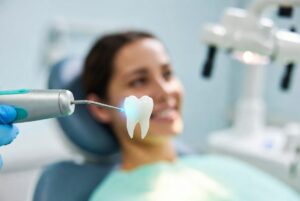
The first phase of tooth decay is known as enamel demineralization and it is brought about by acids secreted by plaque bacteria. These acids strip away the minerals in the enamel leading to chalky white spots which would lead to cavities under unattended conditions. Modern treatments such as laser dentistry help to manage early tooth decay and white spot on tooth.
Poor Oral Hygiene
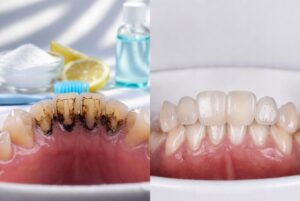
Poor brushing and flossing enable the buildup of plaque on the teeth. With continuous exposure to plaque acid is produced, which causes white spot on tooth.
Orthodontic Treatment
Braces cause regions that cannot be easily cleaned. Localized enamel demineralization and white spots are often a result of the accumulation of plaque around brackets and wires. Those patients who are undergoing orthodontic care such as braces and aligners must follow good oral hygiene to prevent white spot on tooth.
Dietary Factors
Oral pH is reduced by the frequent intake of food and drinks containing sugars or acids. This enhances erosion and loss of minerals of the enamel, and it raises the chances of white spot on tooth.
Enamel Hypoplasia
Enamel hypoplasia is a congenital malformation in which enamel is not formed completely. It leaves thin weak enamel either white, rough, or uneven.
Risk Factors and Who Is More Susceptible
Some tend to have more risk factors that make them prone to the formation of white spot on tooth. Adolescents and children are at risk due to the fact that their enamel is not yet developed. Patients with orthodontic devices tend to have plaque around the orthodontic devices. Dry-mouthed patients or those at high risk of cavities experience weak natural protection against enamel cavities. Also, unhealthy eating habits and improper oral health make the chances of the formation of white spots even higher.
How to Prevent White Spots on Teeth
The only way out is to prevent white spots on teeth by having simple everyday habits and regular professional check-ups. Through appropriate oral health care measures, diet, and preventive measures, you will be able to safeguard the enamel and remain healthy with a bright smile. These steps are effective methods of preventing the formation of white spots:
Maintain Proper Brushing and Flossing
It is recommended to brush your teeth twice a day with a soft-bristled toothbrush and fluoride toothpaste in order to get rid of plaque and to avoid enamel demineralization. Daily flossing will be able to reach the spots in between the teeth that cannot be reached by brushing and will diminish the chances of developing white spots.
Use Fluoride Appropriately
Fluoride makes the enamel stronger and it reverses the early mineral loss. Apply fluoride toothpaste and mouth rinses under the prescribed doses as directed by a dentist to prevent excessive exposure, particularly among children.
Adopt a Tooth-Friendly Diet
Restricting acidic and sugary food and beverages helps to prevent enamel erosion. Adequate consumption of water and eating foods rich in calcium can be of help in ensuring healthy levels of minerals in teeth.
Regular Dental Checkups
Regular dental checkups enable the early identification of white spots and the performance of dental cleaning to eliminate plaque and the accumulated tartar.
Preventive Treatments
Several measures can be used to give additional protection, particularly to the patients at increased risk, preventing further demineralization of the enamel, and further fortifying the enamel with dental sealants and remineralizing agents.
When to See a Dentist
It is recommended that you visit a dentist in case of sudden development of white spots on tooth, rapid spread, or sensitivity and pain. Early detection is relevant since these spots may show the onset of tooth decay. Early intervention is able to prevent additional enamel loss, cavities and will enable treatment to be effectively applied to restore healthy teeth.
Conclusion
Enamel demineralization, excessive fluoride, poor oral hygiene, or developmental problems are some of the causes of tooth decay and white spots on teeth. As a preventive measure, there is appropriate flossing and brushing, a balanced diet, fluoride consumption, and regular checkups. Regular oral hygiene and early professional consultation can guarantee the health of your teeth in the long run and keep your smile bright. Visit Broadway Family Dentists to get more guidance to prevent oral problems.
Frequently Asked Questions (FAQs) About White Spot on Tooth
What causes white spots on teeth?
The causes of white spot on tooth are typically demineralization of enamel, childhood excess fluoride, oral malhygiene, or developmental defects of the enamel. They also may occur around braces as a result of plaque.
Are white spots harmful?
White patches can readily represent an initial symptom of weakening of enamel. Although in some instances they are cosmetic, they can degenerate to cavities should they not be treated. The early intervention is used to avoid additional damage.
Can white spots be reversed?
Yes, early white spots may be frequently treated with fluoride treatments, remineralizing agents or better oral hygiene. Dental care by professionals can restore the strength of enamel and minimize its presence.
How can I prevent white spots?
Prevention can be achieved using regular brushing and flossing, a low-sugar diet, correct use of fluoride, using dental sealants and regular check ups.
When should I see a dentist?
Consult a dentist when white spots suddenly appear, increase, or are accompanied by pain or sensitivity. Tooth decay can be prevented and enamel can be healthy through early assessment.