








Dental cavities are a prevalent problem among many people. The question Can cavities heal by themselves? It is one that many people ask. In this blog, we explore the possibility of cavities healing on their own or if they can only be treated by a professional. We will discuss the causes of cavities, the conditions under which cavities heal and what treatments are required. Keep reading to learn the facts about cavities and how they should be treated.
Understanding Cavities and Their Formation
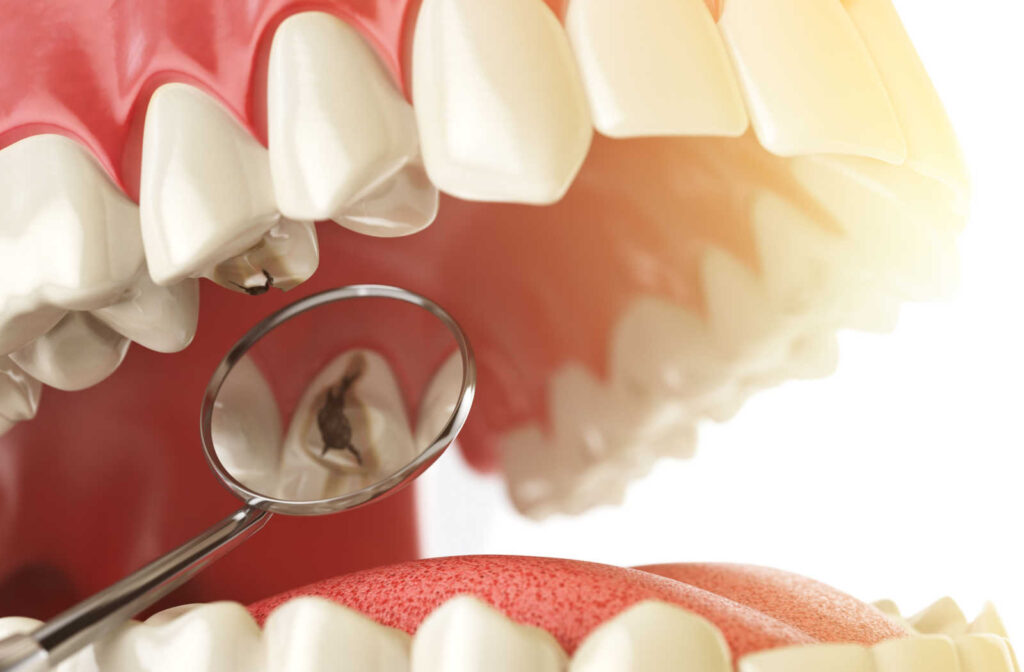
Cavities are caused by the loss of enamel in your teeth as a result of acids created by bacteria in your mouth. Sugar and starches are foods that attack the enamel when the bacteria feed on the sugars and produce acids. This over time results in small holes or decay in your teeth. According to general dentistry, cavities will not heal without professional treatment and additional damage will occur if the cavity is not treated.
Can Cavities Heal on Their Own?
Once cavities have progressed to a hole in the tooth, they are not able to heal themselves. But, at an early stage, tooth decay can sometimes be reversed with proper oral care. In the initial stages, the enamel of the tooth can be demineralized and remineralized if it receives proper nutrients. That is, if the decay is detected in the early stages, it may be possible to avoid it developing into a cavity.
The Importance of Early Detection for Cavities
Cavities can only be prevented from progressing into more serious issues if they are detected early. However, if you’re able to catch the decay early, you may be able to reverse it with better oral hygiene practices. Seeing a dentist regularly can help to detect decay in its early stages. Plaque can be removed by professional cleanings and fluoride can also remineralize your enamel. This can be a proactive measure that can prevent the need for more invasive procedures.
Regular Dental Checkups Are Crucial
Regular dental checkups are crucial in the early detection of cavities. Dentists will be able to pick up early signs of decay that may not be noticed. Early intervention will avoid more costly and painful treatment later. Fluoride varnishes or sealants are preventive treatments that the dentist can provide during regular checkups. These treatments can help in stopping cavities from forming or getting worse.
Can You Remineralize Your Teeth Naturally?
The body’s natural remineralization of tooth enamel works, but only early in the process of tooth decay. Fluoride toothpaste and lots of water can help this process. Fluoride makes enamel more resistant to acid and stronger. Foods that are high in calcium and phosphorus like cheese and leafy greens also help remineralization. To keep your enamel healthy and avoid additional decay, it is essential to eat a healthy diet.
Fluoride Helps to Strengthen Enamel
Fluoride is a mineral that is vital to your teeth’s health. It can help remineralise and reinforce enamel and make it less susceptible to decay. Fluoride is found in many toothpaste brands and is also used by dentists as a treatment for teeth during routine checkups. Fluoride is particularly effective in the early stages of tooth decay and if detected early enough, fluoride treatments can prevent cavities from forming.
The Role of Professional Treatments in Treating Cavities
Cavities do not heal naturally. In this instance, professional treatments are required. Your dentist may fill in the cavity with materials such as composite resin or amalgam to restore the tooth’s function and appearance. When not treated, the cavity can cause more serious dental problems such as infection or tooth loss. What matters is to get treatment at the earliest so that no complications arise.
Dental fillings are a Common Treatment for Cavities
If the cavity is too large to be remineralized, your dentist will fill the cavity. Fillings fill in the decayed area and stop further decay and infection. Fillings can come in a variety of different materials, such as composite fillings that match the natural color of your teeth and amalgam fillings that are strong and long lasting. Fillings help the tooth to remain functional and prevent additional decay.
When Cavities Lead to Root Canals
A cavity can get worse in more severe cases and reach into the middle of the tooth and into the nerve. This can be very painful and may even necessitate a root canal treatment. A root canal treats the infected pulp of the tooth by removing it and sealing the area so that it will not become infected again. This treatment will save the tooth, but is more complicated and expensive than a simple filling. Usually, the cavity has to be treated for a long period of time before root canal therapy is required.
How to Prevent Cavities from Forming
The most effective method in preventing cavities is by following good oral hygiene practices. Brush with fluoride toothpaste at least twice a day. Clean between your teeth with floss every day to get rid of the food and plaque. Avoid giving sugary food and drinks, as they can cause tooth decay. It is also important to visit the dentist regularly and get cleanings to avoid cavities and other dental issues.
The Importance of a Healthy Diet for Tooth Health
It is important to have a balanced diet to keep teeth healthy. Dairy products are high in calcium, which helps to strengthen enamel. Crunchy foods such as carrots and apples encourage saliva production to help remove food particles and neutralise acids. Also, reducing the amount of acidic foods and drinks (including sodas and citrus fruits) helps prevent enamel loss.
The Role of Orthodontic Care in Preventing Cavities
Orthodontic care is a critical part in the prevention of cavities, particularly for people with crooked teeth or misaligned bites. Misaligned teeth can cause you to struggle to clean some spots on your teeth, which can cause cavities and plaque. Straightening your teeth with orthodontic treatment like braces or clear braces will make it easier to maintain good oral hygiene and minimize your risk of tooth decay.
Conclusion
Even though cavities can’t heal when a hole has developed, early intervention can often reverse the early stages of tooth decay. You can prevent cavities and keep your teeth healthy by practicing good oral hygiene, using fluoride treatments and visiting the dentist regularly. If cavities do form, professional treatments like fillings or root canals may be necessary. Stop by Broadway Family Dentists to learn more about how to keep your teeth and gums healthy.