






Your teeth can be freshly brushed and your mouth can still feel less than clean. In many cases, tongue cleaning is a reason.
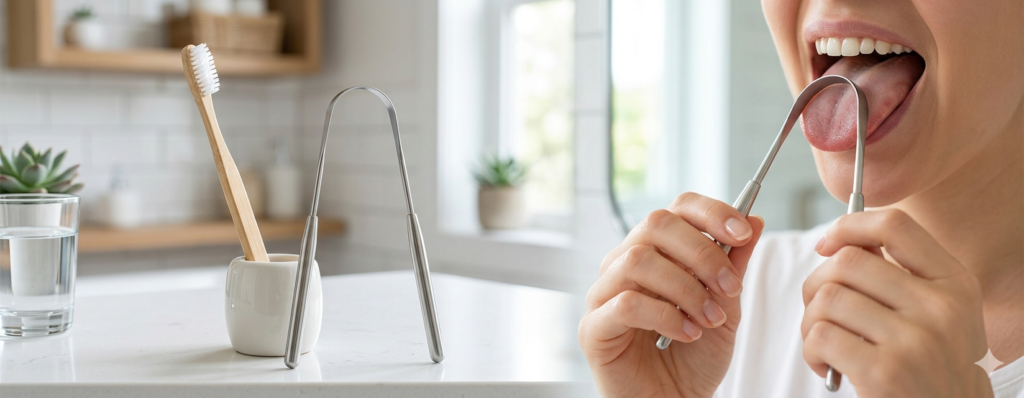
A tongue cleaning scraper is a simple tool for removing food particles and plaque from the tongue. It is not a replacement for regular brushing, flossing or professional dental treatment. It can make your mouth feel fresher, reduce tongue coating and support a cleaner daily routine.
This blog will cover what tongue scraping can and cannot do and how to use it without irritating delicate tissue.
What a Tongue Cleaning Scraper Actually Does
The top of the tongue has a textured surface with tiny grooves and projections. Food particles, dead cells and bacteria can collect near the back of the tongue. This buildup is known as tongue coating.
A tongue scraper works by gently pulling that coating forward and off the tongue, unlike a toothbrush which can sometimes push debris around. A scraper is shaped to lift surface buildup in one smooth motion.
This is why many people notice an immediate “clean mouth” feeling after using it once. The benefit is mostly mechanical. You are removing what is sitting on the tongue surface.
A balanced view matters here. Tongue scraping may help to reduce odor-causing buildup. It can be useful for people with a coated tongue. But it should not be treated as a cure for chronic bad breath. Persistent odor can come from gum disease, cavities, dry mouth, smoking, medications, sinus issues, acid reflux, poorly cleaned dentures or oral appliances.
Tongue Scraper Benefits That Matter in Daily Life
The best reason to use a tongue scraper is not that it is trendy. It is because it can practically solve a small daily problem.
Fresher Breath Starts Where Odors Often Collect
Bad breath often begins in the mouth and the tongue can trap bacteria that produce unpleasant odors. Cleaning the tongue may help to reduce that source (especially in the morning or after meals with strong flavors).
Fresh breath is not only about tongue cleaning. Brushing twice daily, cleaning between teeth, drinking water and keeping up with dental visits all matter.
Removes Visible Tongue Coating
Some people naturally notice more tongue coating than others. It may appear white, yellowish or creamy (especially after sleep, coffee, dehydration, smoking or dry mouth).
A scraper can help to clear that surface film. Sometimes the coating returns quickly, looks unusual, feels painful, bleeds and is accompanied by burning or sores. It is best to consult with a licensed dentist or physician.
Makes Your Mouth Feel Cleaner
This is one of the most honest tongue scraper benefits. Many people simply like the smoother, fresher feeling after scraping.
That clean feeling can also make people more consistent with their full routine. When brushing, flossing, tongue cleaning and rinsing all feel connected, daily care becomes easier to maintain.
Supports People With Appliances or Restorations
If you wear retainers, clear aligners, dentures, bridges or implant restorations, oral hygiene has a few extra steps. Appliances can hold bacteria and food debris if they are not cleaned properly.
Tongue scraping will not clean the appliance itself, but it can support a cleaner oral environment when paired with proper care.
How to Use a Tongue Scraper Without Irritating Your Mouth
The best technique is gentle, slow and consistent. Scraping harder does not make your tongue cleaner. It only makes irritation more likely.
Simple Morning or Evening Routine
Use a tongue scraper after brushing or before brushing, depending on what feels better. Many people prefer using it in the morning because tongue coating is often more noticeable after sleep.
Proper Steps
- Wash the scraper with warm water
- Place the scraper toward the back of the tongue
- Apply light pressure for gentle cleaning
- Pull the scraper forward smoothly
- Rinse the scraper after each pass
- Repeat 3 to 5 times or until the tongue feels clean
- Wash your mouth and the scraper well
The scraper should glide not scrape aggressively. If your tongue feels sore afterward, you are using too much pressure or scraping too often.
How Often Should You Use It?
Once a day is enough. Some prefer morning and night but twice daily is not necessary for everyone.
Use less often if your tongue feels tender. Stop and ask a dentist if you notice bleeding, persistent soreness, patches, ulcers or a coating that does not improve.
Honest Comparison Between Metal Tongue Scraper, Plastic Scraper and Toothbrush
There is no single best tongue scraper for every person. The right choice depends on comfort, ease of cleaning, gag reflex and whether you will actually use it.
| Option | Best For | Pros | Watch Out For |
| Metal tongue scraper | Adults who want durability and easy cleaning | Long-lasting, smooth, easy to rinse, often made from stainless steel or copper | Can feel too firm if pressed hard |
| Plastic tongue scraper | Beginners or people with sensitive gag reflexes | Lightweight, inexpensive, softer feel | May wear out faster and should be replaced regularly |
| Toothbrush | People who do not want an extra tool | Convenient and already part of the routine | May not lift coating as cleanly as a scraper |
| Tongue brush or built-in tongue cleaner | People who prefer a softer texture | Gentle, easy to control | May require more passes to feel effective |
If you are choosing a metal tongue scraper, look for a smooth edge, comfortable handles and a shape that fits your mouth. Stainless steel is a practical choice because it is durable and easy to clean.
The Best Tongue Scraper Is the One You Use Gently
The “best tongue scraper” is not necessarily the most expensive one. A good scraper should feel comfortable, clean easily and allow light pressure without sharp edges.
Look for:
- Smooth and rounded cleaning edge.
- Comfortable grip on both sides.
- A size that fits your mouth.
- Easy rinsing after each pass.
- Durable material that does not warp.
- No rough seams or sharp corners.
Avoid using random household items as scrapers. A spoon may work in a pinch for some people. A tool designed for the tongue is usually more comfortable and easier to control.
Five Mistakes That Make Tongue Cleaning Less Helpful
Tongue scraping is simple but a few mistakes can turn a helpful habit into irritation.
Pressing Too Hard
More pressure does not mean better cleaning. The tongue is soft tissue. Use light pressure and let the tool do the work.
Starting Too Far Back
You do not need to reach the deepest part of the tongue. Start where you can comfortably tolerate it. Over time, your gag reflex may weaken.
Scraping a Dry Tongue
A dry tongue can feel more sensitive. Sip water or rinse your mouth first if it feels dry.
Skipping Flossing
A tongue scraper can make your mouth feel fresher, but it will not remove plaque between teeth. If food and bacteria remain between teeth, breath issues can continue.
Using It as a Cover-Up
If bad breath keeps coming back, even with good home care, do not keep adding products. A better approach is to find the cause.
When a Coated Tongue or Bad Breath Needs a Dentist
A tongue scraper is helpful for daily maintenance, but some symptoms deserve professional attention.
Schedule a dental visit if you notice:
- Bad breath that lasts more than a couple of weeks
- Bleeding gums
- Loose teeth
- Tooth pain or sensitivity
- A thick coating that does not improve
- White or red patches on the tongue
- Mouth sores that do not heal
- Dry mouth that feels constant
- Dentures, retainers or aligners that smell even after cleaning
Is Tongue Scraping Enough to Fix Bad Breath?
Sometimes it helps. Sometimes it does not.
If the odor is mostly from tongue coating, scraping may make a noticeable difference. If the odor comes from gum disease, tooth decay, dry mouth, infection, tonsil stones, reflux, smoking or an appliance that needs better cleaning, tongue scraping alone will not solve it.
That is why a dental exam is important when breath problems do not improve. The goal is not to mask odor and understand where it is coming from.
A Practical Oral Care Routine for Denver Families
A simple routine works better than a complicated one that nobody follows.
Try this:
- Brush for two minutes with fluoride toothpaste
- Clean between teeth once daily with floss, floss picks or interdental brushes
- Use a tongue scraper gently once daily
- Drink water regularly, especially if your mouth feels dry
- Clean retainers, night guards, dentures and aligners as directed
- Replace your toothbrush or brush head every 3 to 4 months or sooner if bristles fray
- Keep regular dental visits based on your dentist’s recommendation
For kids and teens, tongue scraping should be gentle and supervised at first. Some children may not need it and that is fine. The priority is building strong brushing and flossing habits without making oral care feel stressful.
How Professional Dental Care Completes the Picture
At home, you can remove daily buildup. In the dental chair, your provider can see what your mirror cannot.
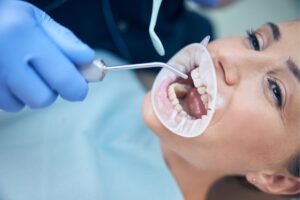
During a general dentistry visit, a dental team can check for plaque buildup, gum inflammation, cavities, dry mouth, bite concerns, oral appliance issues and other signs of bad breath. It may be coming from something deeper than the tongue.
For patients interested in teeth whitening, tongue cleaning can also be part of a fresher overall routine. It will not whiten teeth, but it can help your mouth feel cleaner before and after cosmetic treatment.
If your smile goals involve cosmetic dentistry, daily habits still matter. Veneers, bonding, whitening and other cosmetic treatments are most effective with healthy gums, clean teeth and consistent maintenance.
People with braces or aligners may also benefit from personalized hygiene coaching during orthodontic care. Appliances create more places for plaque and food particles to collect.
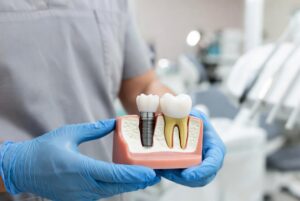
For adults with implant-supported restorations, routine care is just as important. If you are exploring Denver dental implants, ask how your home care routine should change once your restoration is placed.
Expert Recommendation: Keep It Simple and Watch Your Mouth
A tongue scraper is a smart add-on when used correctly. The best routine is not aggressive. It is consistent and gentle.
Use a scraper gently. Keep brushing and flossing. Stay hydrated. Clean appliances carefully. Pay attention to changes in your tongue, gums and breath.
The most trustworthy advice is also the most practical. Enjoy the clean feeling, but do not ignore recurring symptoms.
Conclusion
A tongue cleaning scraper can be a useful part of a healthier daily routine. It is useful for people who deal with morning bad breath, tongue coating or that “not quite clean” feeling after brushing. It is affordable, simple and easy to incorporate into your morning or evening routine.
Still, it works best as part of a complete oral care routine. Brushing, flossing, hydration, appliance cleaning and regular dental visits all play a role in keeping your mouth healthy.
Adults and patients seeking fresher breath or a more confident smile can find everyday oral care easier and more effective with Broadway Family Dentists.