
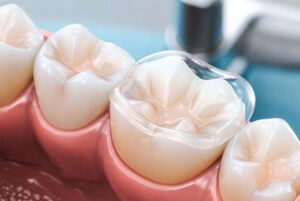





Fillings are one of the most frequently performed dental treatments used to repair decayed or damaged teeth, returning them to normal function. The filling procedure is typically easy, some patients may experience tooth sensitivity after filling. This hypersensitivity can be felt by eating hot or cold foods, inhaling cold air, or brushing one’s teeth. The discomfort can be distressing to patients, but it is temporary, often mild and resolves on its own over a period of time. Understanding why tooth sensitivity after filling occurs and ways to alleviate it will help make the post-filling recovery period more pleasant as well as less stressful for patients.
Understanding Why Sensitivity After Filling Occurs
Nerves inside a tooth undergoing a filling can often respond differently than they would typically. This is usually due to the amount of tissue lost by the cavity or the placement of the resin material. Although the sensitivity from this response can usually be expected to last for a short period of time, in some instances, the nerves have become highly responsive due to the original cavity being close to or deep into the nerve of the tooth.
The discomfort or tooth sensitivity after filling will usually decrease with time as the tooth adapts to the current structure, and the nerves will also gradually relax from their heightened response. The sensitivity level may also vary based on how deep the cavity was before the filling and what type of material was used to fill the tooth.
Why is My Tooth Sensitive to Cold
One of the frequently stated problems to experience after getting a dental restoration procedure is increased sensitivity to cold food and drink after having a new filling. Cold air, food, or drinks can often pass through small channels in the teeth, reaching the nerve endings inside the tooth and causing a sudden reaction from the nerve, making a tooth sensitive to cold.
Typically, the increase in tooth sensitivity after filling is due to the nerve responding more than usual following treatment, and as the tooth heals, the reaction will decrease. However, if the sensitivity is severe or continues after, one should be concerned about whether or not the filling is too high or if the cold-sensitive tooth still has inflammation and needs to be assessed by a dentist.
Adjusting Daily Habits to Reduce Discomfort
Making small daily changes in your activities to help alleviate tooth sensitivity after filling can also provide numerous benefits by minimizing irritation and helping heal the tooth free from any additional strain. There are very easy, simple ways to eat, drink, and brush your teeth that will help make your treated tooth more comfortable.
Being Mindful of Temperature and Food Choices
Teeth may react differently to hot and cold temperatures after receiving a filling. Foods and beverages that are served at an extreme temperature may cause a reaction in a tooth that has received treatment, increasing tooth sensitivity after filling.
Food selection can help to mitigate this reaction and reduce the discomfort of the treated tooth, as well as help to heal. Room-temperature foods are good for sensitive teeth. Additionally, softer foods will help reduce the amount of effort to eat during healing by not applying excessive force on the treated tooth, thus reducing the tooth sensitivity after filling.
Choosing the Right Oral Care Routine
Maintaining good oral hygiene is extremely important after obtaining a filling, however, it requires additional caution. The objective for the patient is to maintain their oral cleanliness and not to further irritate the tooth that has been treated with a filling. The patient’s healing and continued comfort can depend on utilizing gentle brushing techniques and using oral hygiene products that are appropriate for the development of the patient’s oral care regimen.
Using Gentle Brushing Techniques for Comfort
Brushing your teeth too hard can increase sensitivity and delay recovery. To protect the tooth that has been treated and continue to have good oral care practices at home, the patient should use a soft-bristle toothbrush with light pressure. Additionally, the patient should refrain from brushing their teeth after eating or drinking anything acidic. This is because the enamel can be temporarily weakened by acid and, as a result, may experience tooth sensitivity after filling.
Managing Tooth Sensitivity After Filling With Suitable Products
There are some types of oral hygiene products that contain specific ingredients for reducing tooth sensitivity after filling and protecting tooth enamel. These products are proven to provide relief from tooth sensitivity after filling due to their ability to calm nerve reactions in the mouth and strengthen the outer layer of teeth. Regularly incorporating these types of products into your daily oral hygiene routine will improve your comfort level while you recover from dental surgery or procedure.
How Desensitizing Toothpaste Supports Recovery
Using desensitizing toothpaste works by blocking the pathways to the tooth nerve endings, and thus reducing the intensity of the pain signal sent by the gums. Desensitizing toothpaste will also reduce the level of tooth sensitivity after filling over time with continued use.
It is best if you use desensitizing toothpaste each time you brush, as the cumulative effect of the product will build up to create longer-lasting results. The desensitizing toothpaste helps to greatly improve your comfort level each day after having a general dentistry treatment for tooth sensitivity after filling.
Professional Dental Care and Treatment Options
Ongoing dental assistance is critical in providing for stable long-term oral health after receiving restorative treatments. Having routine evaluations of healing allows the dental professional to watch for any problems that may develop and treat them as soon as possible. Additionally, many types of dental services report that their patients have less discomfort and more stability with their oral routines.
- General Dentistry: It is essential for maintaining dental health since, by performing routine general dental care, a dentist can maintain the health of your mouth and perform necessary procedures to ensure that you are monitored for tooth sensitivity after filling.
- Dental Restorations: In cases of tooth loss or damage to the structure of the tooth as a result of long-term tooth sensitivity after filling, Denver dental implants may be an option for restoring function to the mouth for long-term success and comfort.
- Cosmetic dentistry: It can further improve the confidence level of a patient once oral health has been stabilized. Restorative options such as implants and veneers will provide patients with structural support and improve the aesthetics and structural integrity of the supporting structures of the teeth.
- Dentistry Advancements: Advanced procedures such as laser dentistry may provide less discomfort during more precise procedures that are also considered minimally invasive. Additionally, orthodontic care may be required in order to treat some cases of tooth sensitivity after filling.
Knowing When Sensitivity Needs Professional Attention
It can be quite normal for mild tooth sensitivity after filling to occur and subside over a short period of time. However, if the tooth sensitivity after filling persists after an extended period of time or worsens, you need to understand when the right time is to seek professional treatment to identify any underlying issues that need to be treated.
Signs That Should Not Be Ignored
If you experience severe tooth sensitivity, prolonged sensitivity for weeks, or have tooth sensitivity that occurs with or without an apparent cause, you should seek professional dental assistance. It will help determine whether you need to have your filling adjusted or if your tooth is exhibiting a greater response than anticipated.
Any type of pain with chewing or continual pulsating pain can indicate that there is an underlying dental problem. Therefore, an evaluation of the tooth would be indicated to help prevent additional complications and to aid in the proper recovery of your tooth.
Supporting Long-Term Tooth Comfort After Treatment
Maintaining good oral hygiene is important for all teeth, especially those experiencing tooth sensitivity after filling, and for teeth that have just had dental work done. The longer you’re able to maintain it, the better chance you have of avoiding future sensitivity due to improper oral hygiene.
Building Habits That Protect Dental Work
To make sure your teeth remain healthy and strong, remember these three key factors include, brushing twice daily (with at least one of the sessions using a fluoride toothpaste), gently flossing daily between all of your teeth, and regularly visiting your dentist for cleanings and checkups.
Avoiding certain eating habits, such as grinding your teeth or biting down on very hard foods, will help to reduce the trauma placed on your mouth and the treated tooth. It also limits other long-term complications that could result from your oral hygiene practices.
Conclusion
Experiencing tooth sensitivity after filling is normal and often reported by many individuals. This can be reduced by practicing and considering the aforementioned easy and simple ways to help support your dental care. Making appropriate choices foe you oral care regimen helps reduce tooth sensitivity after filling and promotes healthy oral well-being. For more such dental care information, you can visit the blog page of Broadway Family Dentists.