








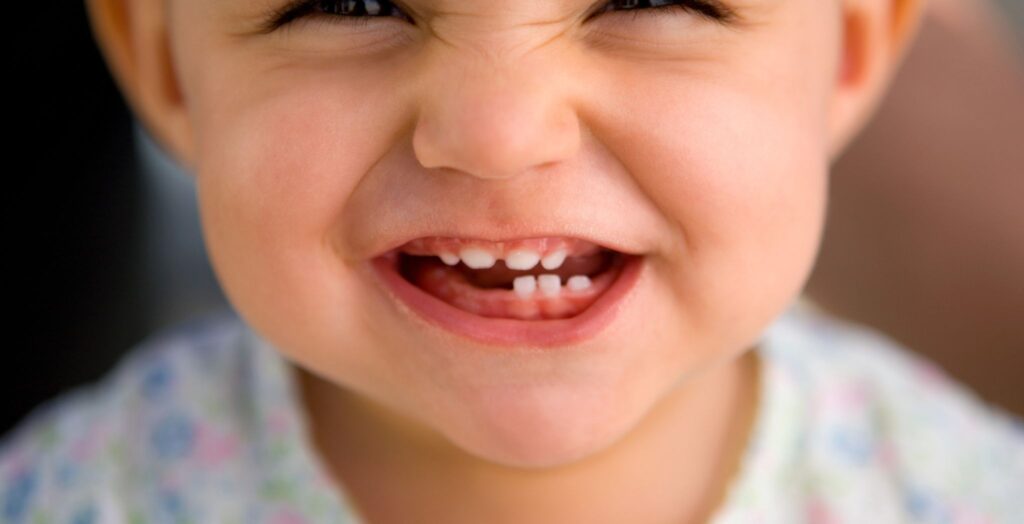
Bruxism of infants is a panic situation for the parents in which their baby grinds his teeth while sleeping. Can you imagine this situation when you wake up suddenly at midnight and you hear an unusual sound of teeth or gum grinding from your baby? According to the General Dentistry professionals and pediatric specialists at Denver Dental Implants, this is not a panic situation because it is normal when your baby is growing up. You should read this article for complete guidance and facts of bruxism in infants.
This blog of Broadway Family Dentists includes brief information about bruxism in infants because this is a worry of many parents and every parent should know about this information which helps them to overcome this worry.
What Exactly Is Infant Bruxism and How Does It Develop?
Infant bruxism is common in the growing up age of your baby in which babies grind their teeth or gums due to certain sensations. This grinding can occur during the day and night as well but most parents notice it while sleeping.
Most of the babies grind their teeth to relieve the irritation and discomfort of teeth eruption and teeth grinding helps the baby to relieve this irritation. Babies find a new experience of teeth in their mouths which can cause teeth grinding to explore a new sensation in their mouths. Some babies also clunch their teeth to strengthen jaw and facial muscles which is a normal part of oral motor development. Some infants have light sleep due to sleep transitions and disturbance which is a major cause of teeth grinding in infants.
How Common Is Teeth Grinding in Babies and When Does It Start?
Bruxism in infants is very common between the ages of 6 to 12 months because this is the age at which infants feel the sensation of teeth eruption. This grinding phase usually lasts for a few weeks or months and gradually reduces as tooth eruption slows down with age. Most infants stop teeth grinding naturally by the age of 2 to 3 years, at which point the bite alignment of infants improves. This bruxism in infants also reduces when their sleep cycle matures with their age.
Key Signs and Symptoms That Show Your Baby Has Bruxism
You may notice a grinding or clicking sound at night which is the major symptom of bruxism in infants. This sound can be heard clearly at night when your infant is sleeping because there is no sound disturbance and your infant is taking a deep sleep.
Infants feel discomfort and pressure in their mouth which makes them cranky and some infants show biting and clenching their mouth which is another symptom of bruxism in infants.
Babies who face bruxism have less sleep and they show discomfort during the night. There are other symptoms of bruxism in infants, which include drooling and rubbing their face.
Is Infant Bruxism Dangerous or Completely Harmless?
Most cases of infant bruxism stay completely harmless because teeth grinding habit disappears when the mouth develops and the gums become tough. You should be aware that teeth grinding is not safe and long-term teeth grinding may cause enamel thinning and flattening of baby teeth. These signs of bruxism in infants need careful observation and they require suitable treatment from the dentist such as Orthodontic Care. Your baby may refuse to feed and show tooth sensitivity while chewing which is a warning sign of dental issues due to bruxism in infants. Parents should monitor closely and early evaluation helps to prevent stress on the jaw or enamel of their baby.
When Should Parents Schedule a Dental Visit for Infant Bruxism?
A pediatric dental treatment becomes important under these conditions of bruxism in infants:
- You should consult a dentist when teeth grinding becomes more frequent and loud.
- You should consult a dentist when the teeth of your baby look chipped or flattened.
- You should consult a dentist when your baby feels uncomfortable while chewing.
- It is suggested that you should consult a doctor when the sleep patterns of your infant worsen due to teeth grinding.
Dentists may diagnose infant bruxism by examination of teeth and bite alignment. You should know that early visits to the dentist help to build healthy dental habits for life.
Effective Treatment Approaches for Managing Bruxism in Infants
There are simple and easy treatment methods of bruxism in infants and these methods can help you to manage the teeth grinding habits of your infant:
Why Do Most Infant Bruxism Cases Resolve Naturally?
Bruxism in infants is very common during growth ages and it can be a temporary sensation that will resolve naturally after some time. You should notice the frequency of teeth grinding and consult a doctor if it damages the teeth of your infant.
Helpful Home Remedies For Bruxism in Infants
Babies can stop clenching or grinding their teeth when their gums get tough and you should offer a child a teething ring which helps your baby to reduce the habit of bruxism. You should massage the gums of your baby which helps to reduce irritation and discomfort of the gums. You should improve the sleep cycle of your baby by reducing disturbance near him because quality sleep strengthens the nervous system and reduces bruxism in infants.
Conclusion
Bruxism in infants is very common when they are growing up because there are many developments occurring in their bodies that cause sensation and discomfort. This discomfort can cause teeth grinding or bruxism in infants which is the reaction of infants to relieve these discomforts. It is not worried about because there is a chance of natural recovery from bruxism as the gums of your infant get tougher with age. You should offer a teething ring which helps to manage this habit of clenching or biting the teeth. You should know that prolonged grinding can harm the enamel of teeth which is a warning sign of many oral diseases and it is preferable to consult a dentist in this situation.
FAQ’s
Is it common for babies to grind their teeth during sleep?
Yes, teeth grinding is common in infants when they are growing up because there are many developments occurring in their bodies that cause irritation and discomfort.
At what age do most babies start showing signs of bruxism?
Bruxism is very common in infants from the age of 6 to 12 months because this is the age when the tooth eruption starts, which causes sensation in their mouth and teeth grinding is the reaction to this sensation.
Is my baby’s tooth enamel at risk due to teeth grinding?
Prolonged teeth grinding can harm the enamel of teeth which causes discomfort while eating or chewing and it is preferable to consult a doctor when teeth grinding harms the teeth of your infant.
What should I do if my baby’s teeth grinding gets louder or more frequent?
You should consult a doctor if your baby’s teeth grinding gets louder or more frequent because it can harm the oral health of your baby which may cause sensitivity and discomfort while eating, drinking, or chewing.
Are there any home remedies to help reduce bruxism in infants?
You should offer a teething ring to your infant which helps to reduce the teeth grinding and you should massage the gums of your infant which helps to relieve irritation or discomfort of the gums.
When is treatment necessary for infant bruxism?
Oral treatment is necessary for your infant when bruxism damages the teeth or gums because this may lead to serious oral health issues.