







Halitosis is commonly referred to as bad breath and in most instances a mere hygiene issue, but in reality, it is actually an indicator of another medical or dental disorder. Although sometimes bad breath is a normal occurrence, chronic or continuing odor is a sure sign that there is something wrong happening in the mouth or body.
This is the reason why it is so important to visit a halitosis dentist. The dentist is able to determine the real cause, either it is gum disease, bacteria in the tongue, dry mouth or even a non-oral complication like stomach imbalance. Bad breath can be cured permanently with a proper diagnosis and treatment program.
What Is Halitosis? Causes Dentists Commonly Diagnose
Chronic bad breath is what is medically referred to as halitosis. It occurs when the odor-producing bacteria or medical problems leave a smell that cannot be removed even with brushing or applying mouthwash. To diagnose halitosis, dentists examine non-oral and oral causes to get an idea of the real causes of the problem.
The most common causes are oral. These include the formation of plaque on the teeth, lack of treatment for gum diseases, and dry mouth, which causes a lack of saliva and the development of bacteria. The next cause is significant because of bacteria gathering on the tongue, primarily on the back of the tongue where the food particles and dead cells are trapped.
Halitosis may be non-oral, too. The breath may be affected by sinus infections, digestive problems and some medications. Other individuals also develop halitosis as a result of stomach conditions, as will be reflected later in the article.
Such causes help dentists to identify the appropriate treatment plan in order to allow patients to experience long-term relief from bad breath.
How a Halitosis Dentist Identifies the Root Cause
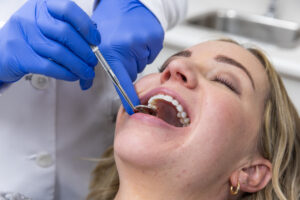
- An oral examination that is professionally performed is done to examine the teeth, gums, tongue and the overall health of the mouth.
- Bacterial analysis can be used to determine the gender of bacteria producing the odor, as well as breath testing.
- Gum disease screening is conducted to identify infections or inflammations which can cause chronic bad breath.
- The medical referrals are provided in cases where the dentist realizes that the breathing problem is not in the mouth but in a different problem, including the stomach or sinuses.
Best Mouthwash Recommended by Dentists for Halitosis
It is important to select a good mouthwash to control bad breath on a chronic basis. Dentists suggest mouthwash that has been tested for the effective antibacterial properties such as chlorhexidine, zinc and cetylpyridinium which reduce the sulfur causing bacteria that cause odor.
Alcohol based mouthwashes should also be avoided, since they may only dry the mouth, and in the long run, worsen bad breath. Instead, dentists are fond of soft, alcohol-free recipes that help keep the mouth wet and healthy.
Best Toothpaste for Halitosis: Dentist Picks
Toothpaste that prevents bad breath and keeps teeth and gums healthy is the best toothpaste to use in the treatment of halitosis. Antibacterial toothpastes can be used to minimize odor-producing bacteria, whereas fluoride toothpastes make teeth resistant and prevent cavities.
Dentists prescribe toothpastes that help keep the mouth moist and eliminate odors for those who experience dry mouth or those who have bacteria that produce sulphur. Simply changing your toothpaste a few times a month or when it starts to taste bad may be one way to keep it fresh and effective.
Constant use of toothpaste, proper flossing and brushing as a general dentistry action is essential in the process of managing halitosis over time.
Halitosis in Childhood: Causes & Dentist-Recommended Solutions
Many parents do not know that halitosis is not uncommon in childhood. Bad brushing routines like failure to clean up the teeth or tongue can give room to odor-causing bacteria. It may also be caused by mouth breathing, enlarged tonsils, which dry the mouth and provide an efficient environment for the bacteria. Also, bad breath can be aggravated by diet-related factors such as the high frequency of sugary snacks.
Bad breath, bleeding gums or the inability to maintain oral hygiene in their child should also make parents see a Broadway Family Dentist. Early intervention prevents problems in the long run and good development of the teeth and gums. This can be treated with professional cleaning, instructions on brushing and flossing, and in some instances, Orthodontic Care to correct structural issues that are causing oral health issues.
Dental care and professional observation are the essential measures to maintain a fresh breath of a child and make it healthy.
Halitosis in Infants: Is Bad Breath Normal?
The infant’s halitosis is mild and mostly due to milk remains, dehydration or oral thrush. Nevertheless, when the odor is intense and persistent or other symptoms appear, then it may be a symptom warning of an underlying medical condition. Parents may assist by wiping the gums and tongue of the baby with a soft cloth and taking care of the proper hydration. To keep the mouth of an infant healthy and safe, it is advised to visit a Broadway Family Dentist in case bad breath persists.
Daily Oral Care Routine to Permanently Prevent Bad Breath
To keep the breath clean, the first step is to do it every day. Wipe your teeth in the morning and in the evening with a fluoride toothpaste, be sure to wash all the surfaces including the back teeth and along the gum. The tongue cleaning should not be forgotten as bacteria tend to settle on the tongue and give it a bad smell.
Brush your teeth and then use the mouthwash or use the mouthwash at a different time of the day. This will also assist in killing bacteria and keeping your mouth clean. Time is important, do not rinse right after brushing your teeth since this can remove the effectiveness of the toothpaste.
Eating and hydration are also important. Drink lots of water, avoid sweetened foods and add fresh vegetables and fruits to food to help with saliva production and inhibition of bacteria. Such a daily routine will permanently avoid bad breath and enhance overall oral health.
Conclusion
Home care is often useful in controlling bad breath but long-term results require professional assessment. Although self-administered treatments such as tongue scraping, hydration and appropriate brushing assist, chronic halitosis normally requires the professional skills of the dentist to determine the underlying cause.
A visit to a halitosis dentist will provide the appropriate diagnosis and treatment regimen, regardless of whether the cause of the problem is an oral problem, stomach or other health-related issues. The first step to a new breath and assured smile will be to have a consultation with a halitosis dentist.
FAQs
What is the main cause of halitosis?
Mouth bacteria, poor oral health, gum disease or buildup of the tongue usually cause halitosis. In other instances, it may also be of stomach origin or some drugs.
Can home remedies permanently fix bad breath?
Self-treatment measures such as scraping the tongue, taking water, and applying mouthwash are only temporary, but in persistent cases of bad breath, a professional visit to a halitosis dentist is needed.
How often should I see a halitosis dentist?
In case of bad breath even after taking good care of the mouth, it is advised that one visit a dentist after 6-12 months or earlier when the symptoms are numerous.
Can children have halitosis too?
Yes, child halitosis is common, and it is normally as a result of bad brushing, mouth breathing, or their diet. The cause can be identified and treated by making early dental visits.
Is bad breath normal in infants?
The cases of halitosis in infants are normally mild due to milk residue or dehydration. Constant strong smells ought to be examined by a dentist in order to determine the exclusion of underlying conditions.
What treatments do dentists use for chronic halitosis?
Based on the need, dentists can prescribe professional cleaning, tongue cleaning, mouth rinses, gum disease treatment or advanced treatments such as Laser Dentistry