




Baby bottle tooth decay is an often-occurring concern in infants’ dental care. Many parents overlook it, considering it a non-serious dental issue, but later it affects the dental and oral health of the baby. It is easily prevented with proper habits and appropriate care. Learning about the potential causes and using appropriate techniques can really help parents prevent their child from developing a dental challenge at birth.
What Is Baby Bottle Tooth Decay
Baby bottle tooth decay is a condition that usually occurs in infants, in their early stages of life, such as 6 months to 1 year. It usually affects the front teeth of the baby, but it can also occur in other teeth. Baby bottle tooth decay develops due to the binding of sugars from liquids to the baby’s teeth, which allows bacteria in the mouth to produce acid. In turn, it damages the tooth enamel. Nighttime feedings and long-term usage of bottles are risk factors for developing baby bottle tooth decay.
Infants and toddlers are most susceptible to baby bottle tooth decay because their enamel is thinner and more susceptible to acid. Some early signs of baby bottle tooth decay can be white spots on the teeth that eventually progress to brown or black areas when left untreated.
Common Baby Bottle Tooth Decay Causes Explained
Baby bottle tooth decay occurs in babies who have high dietary sugar intake. No matter in which the sugar is ingested by the baby. Whether you provide them with milk, formula, or juice, it can damage the tooth enamel. Nighttime feeding poses a higher risk for developing decay as sugary liquids pool around a child’s teeth, allowing for an abundance of bacteria to be created on the child’s teeth.
Other factors contributing to tooth decay in babies include how often a child eats sugary foods throughout the day, lack of oral hygiene on the part of the child, and delaying seeing a dentist, which can contribute to enamel erosion and subsequently lead to cavities.
Baby Bottle Tooth Decay Stages
Baby bottle tooth decay is evidenced in many different stages, beginning with early signs of white spots on the gums. These early signs are an indicator that the enamel has undergone demineralization from the acid created by sugar.
The decay will continue to get worse until there is a black or brown stain, more often on the front teeth, if it is not treated. Eventually, the decay will develop into cavities, sensitive teeth, infection, and possible damage to the permanent tooth’s development.
Effective Ways to Prevent Baby Bottle Tooth Decay
Following good oral hygiene habits during your child’s development can help prepare them for a successful orthodontic care regimen later in life. Baby bottle tooth decay can be prevented by following the below given effective measures:
Start Oral Care Early
Start the dental hygiene routine with your baby as soon as possible, even before they get their first tooth. Wipe their gums with a soft, damp cloth right after they eat to remove any sugar that may stay on their gums and to prevent the growth of bacteria.
Introduce the toothbrush into the dental hygiene routine for new, growing teeth. A soft baby toothbrush is good for the baby. Setting up a dental hygiene routine will help your baby to keep their teeth clean. You should supervise their brushing until you are sure they are capable of doing so.
Avoid Putting Your Baby to Bed With a Bottle
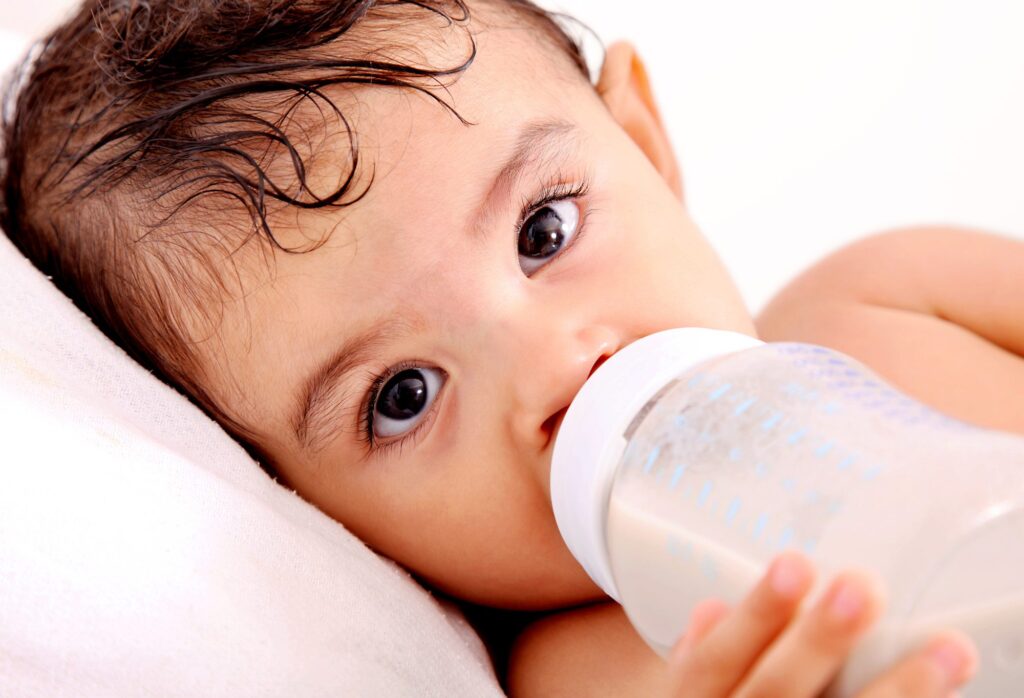
Do not let your baby fall asleep with a bottle of milk or juice in their mouth, this is one of the biggest contributors to baby bottle tooth decay. When your baby lies down and drinks from a bottle, there is a puddle of liquid on their teeth that various forms of bacteria can thrive in, producing acid which forms quickly and damages tooth enamel.
Limit Sugary Drinks and Juice
According to the American Academy of Pediatrics, infants less than one year old should not consume any juice due to potential harm caused to the teeth from excessive amounts of sugar being consumed. The infants after the age of one should be limited to small amounts of sugar. The best way to protect developing teeth between meals is to encourage your child to drink water.
Promote Healthy Feeding Habits
By encouraging healthy eating habits, you can reduce a baby’s risk for tooth decay. When you give your baby a bottle, have them drink from it in an upright position. This reduces the risk of your child choking on food. It also helps the baby avoid having food on their teeth after they finish eating.
At around one year of age, you can switch your baby’s feeding bottle to a cup to decrease the amount of time your child has sugar (even in milk). This helps your child learn to be independent while drinking.
Schedule Early Dental Visits
Dental appointments on a regular basis are an important factor in preventing the occurrence of tooth decay. A child’s dentist can see evidence of baby bottle tooth decay and provide early detection and prevention. Frequent check-ups by a general dentistry professional can allow you to stay ahead of your child’s oral health.
Use Fluoride Wisely
Fluoride protects your child’s teeth and makes them stronger. Most pedodontists recommend using only a tiny amount of toothpaste, approximately the size of a rice grain for infants and about the size of a pea for toddlers. Fluoride should only be used under the guidance of a dentist to ensure safe use and to avoid dental fluorosis.
Promote Healthy Snack Choices
Providing your baby with tooth-friendly snack options can help promote good oral health. Suitable snacks include soft fruits, vegetables, cheese, and yogurt. Avoid gummy or sugary snacks that may adhere to their teeth for a long time.
Safe and Reliable Baby Bottle Tooth Decay Treatment
The treatment of tooth decay depends on its presentation and severity. In the early stages, it can be treated by better dental hygiene practices, such as brushing with fluoride toothpaste and making alterations to the baby’s diet.
However, if a child’s tooth decay has progressed to a more advanced stage, then dental procedures like fillings or crowns, implants and veneers can be used restore their tooth structure.
Pedodontists recommend appropriate treatment methods to help protect your children’s oral health. If a child has baby bottle decay that affects the appearance of their teeth, they may eventually need to explore cosmetic dentistry options.
Conclusion
Baby Bottle Tooth Decay grows at a rapid rate unless regular preventive care is performed and the appropriate dental habits and protocols are enforced for better oral hygiene. Building healthy habits from infancy will establish a firm foundation for your child’s teeth and create a confident smile. You can visit pedodontists at Broadway Family Dentist, as they can assist you in developing a preventative program for your child and help treat dental issues.
FAQs
Can I prevent baby bottle tooth decay early in my child?
Yes, it can be prevented. To reduce the chances of the occurrence of this tooth decay, it is important to maintain a healthy dental routine early in your baby’s life. It develops a long-term habit that promotes overall oral hygiene. Limiting sugary food drinks, especially at night time is good to prevent tooth decay. Additionally, regular dental visits and a healthy dietary intake help prevent baby tooth decay.
Does it affect permanent teeth later in life?
Yes, baby bottle tooth decay can impact teeth later in life. When one tooth is decayed, it affects the other teeth also. It alters the teeth alignment and their development in a longer run.
What is an appropriate age for cleaning a baby’s teeth?
Whenever your baby grows his/her first teeth, you should start cleaning them to prevent tooth decay in the long term. But when only gums are present in an infant, you should also clean them to avoid bacterial accumulation.
Are sugary juices safe for infants?
No, sugary foods or drinks are not good for infants because they can damage the tooth enamel and gums. These drinks can increase the risk of dental infection later in life.
When should I take my child to a pedodontist?
Taking your child to a dentist is good when he/she is of an year old. At this age, teeth start to grow in infants, and dental issues can be visible. Visiting a pedodontist will help you know better about your baby’s dental health. It helps prevent dental issues in the long term.