




The healthy smile of a child enhances confidence and overall well-being. The laughter of a child is a moment to cherish for the parents. Tooth decay in preschoolers destroys the attraction of a smile. According to general dentistry, tooth decay is painless in the initial stages. This is why it develops silently in the children. This blog will include an introduction to tooth decay, the causes of tooth decay, the signs and the prevention methods.
What Is Tooth Decay in Preschoolers?
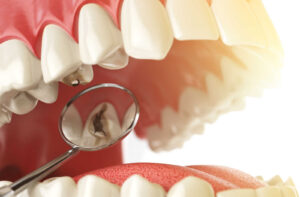
Tooth decay is a common dental problem in early childhood. It starts with a small bacterial attack on teeth and ends with tooth loss. It damages the visible areas of the teeth. It develops due to plaque buildup on the teeth of preschoolers. It forms acid after reacting with sugary foods and drinks. This acid damages the enamel of teeth and forms dental caries.
Why Preschoolers Are at High Risk for Tooth Decay
Preschoolers have soft and thin enamel due to developing teeth. This is why there is a high risk of tooth decay for preschoolers. Children drink flavored milk and juices throughout the day, which feed the bacteria on the teeth. The bacteria damage the enamel of the teeth and multiply their colonies. Many children eat sweet items before bedtime, which increases the risk of cavities and tooth decay.
Common Causes of Tooth Decay in Young Children
Tooth decay in preschoolers can be caused by several reasons, such as poor oral hygiene and high sugar intake. Understanding the causes is essential to preventing tooth decay for a long time.
Poor Oral Hygiene Habits
Poor oral hygiene habits are a major cause of tooth decay in preschoolers, as they promote bacterial attack in the oral cavity. Encourage the children to brush twice a day, as it helps to remove plaque buildup on the teeth.
High Sugar Intake
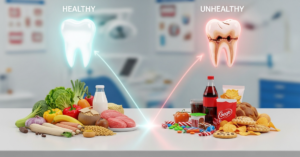
Sugary items play a major role in tooth decay in preschoolers, as they feed the bacterial growth in the oral cavity. The enamel of teeth is damaged due to acid produced by bacteria. Candies, flavoured milk, fruit juices and other sweet items are the major causes of tooth decay in preschoolers.
Bedtime Bottles and Sippy Cups
Bedtime bottles and sippy cups increase the risk of tooth decay in children, as the production of saliva decreases during sleeping. It causes bacteria to produce acid that may damage the enamel of the teeth in children. You should avoid sweet items before bedtime to prevent the risk of tooth decay in preschoolers.
Early Signs and Symptoms of Tooth Decay
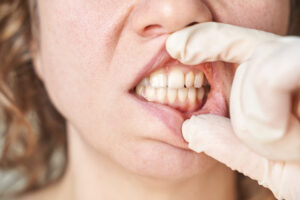
The early signs of tooth decay appear without pain in kids. The white spots on teeth are the major sign of tooth decay in children. The white spots indicate damage to the enamel of teeth. The light brown spots on the teeth are an indication of tooth cavities in preschoolers. The dark brown color indicates the deep cavities in the teeth of kids. Sensitivity and swollen gums are also symptoms of tooth decay in preschoolers. The early diagnosis of these symptoms helps to prevent complete damage to the visible areas of the tooth.
Role of Parents in Maintaining Children’s Oral Health
Parents play a vital role in the prevention of dental problems. Preschoolers are dependent on their parents for proper guidance. Guide the children to follow good oral hygiene habits by brushing twice a day. Parents should guide their children about the proper brushing techniques with fluoride toothpaste to ensure good oral health. Healthy foods and a balanced diet help to prevent tooth decay in preschoolers.
When Should Preschoolers Visit a Dentist?
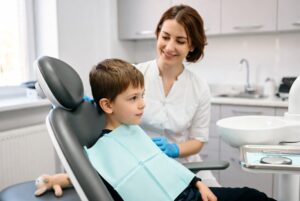
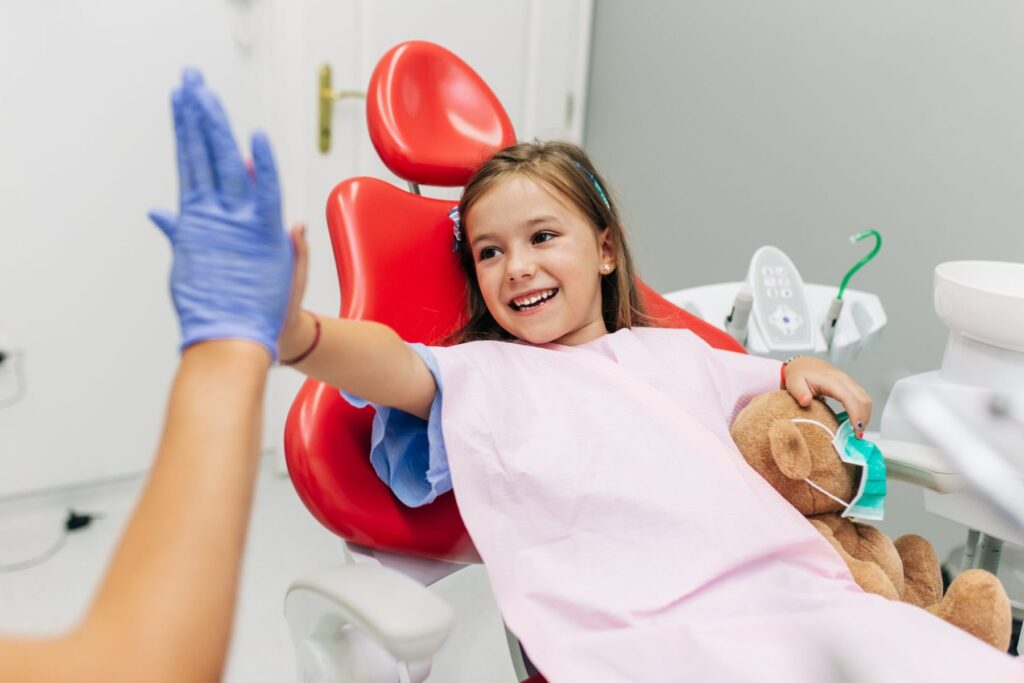
The ideal time to visit a dentist for children is at one year of age. Early dental visits ensure the long-term well-being of dental health in kids. Many children need a dental visit at the age of six months as their teeth appear. An immediate dental visit is necessary for early symptoms to prevent further dental health problems.
Professional Preventive Dental Treatments
Professional dental treatments play an important role in the prevention of tooth decay in preschoolers. Fluoride treatment is very beneficial for kids to strengthen the enamel of their teeth. It also provides resistance to acidic and bacterial attack on the teeth of children. Dental treatments are safe for the kids as they help to protect teeth from problems.
You can choose dental sealants as another option for effective treatment of preschooler’s teeth. It is the protective layer that is placed on the chewing surface of the teeth. It blocks the bacteria and food particles from entering the teeth. Dental treatments are beneficial for the long-term well-being of oral health in children.
Consequences of Untreated Tooth Decay
The untreated tooth decay can cause many dental problems, such as tooth sensitivity and tooth loss. It also causes a tooth infection that disrupts eating, speaking and sleeping of the children. An untreated infection spreads to the gums and tissues of the oral cavity, which can cause further dental problems. Severe tooth decay interferes with the alignment of permanent teeth, and orthodontic care is needed for this condition.
Tips for Creating a Tooth-Friendly Environment at Home
- Avoid sugary foods and drinks to prevent tooth decay in preschoolers.
- Maintain the drinking habits after food and bedtime to ensure the safety of children’s teeth.
- Keep the toothpaste and brushes in a visible place and encourage good oral hygiene habits in kids.
- Manage the good time for brushing in the early morning and before bedtime.
- Bring a child-friendly brush and toothpaste to make brushing enjoyable for preschoolers.
- Replace the brushes of your children after three months and especially after illness.
- You should offer fruits to your kids instead of sweets for a healthy oral cavity.
Conclusion
Tooth decay is a common problem among preschoolers in the USA. The causes of tooth decay are bad oral hygiene and sweet items, especially before bedtime. Symptoms of tooth decay in preschoolers may include white spots and dark spots in the teeth. Dental treatments play an important role in oral health. You can visit Broadway Family Dentist for the long-term well-being of your oral health.
FAQs
What causes cavities to develop in preschoolers, even when baby teeth seem healthy?
The major cause of cavities in children is plaque buildup and sugary foods. Plaque buildup contains bacteria and sugary foods that cause them to produce acid to damage the enamel of teeth.
Why is fluoride toothpaste recommended for preschool children in daily oral care routines?
Fluoride toothpaste helps to protect the enamel of teeth in preschoolers. It protects the enamel from acid and bacterial attack.
How often should preschool-aged children brush their teeth to effectively prevent tooth decay?
The preschoolers should brush their teeth twice a day to remove plaque from their teeth. It helps to reduce bacterial attack and cavities.
Can sugary snacks and drinks increase the risk of tooth decay even with regular brushing habits?
Sugary foods and drinks increase the risk of tooth decay as they enhance the acid production in the mouth. The acid damages the upper layer of teeth in preschoolers and causes tooth decay.
When should parents take preschoolers to the dentist if there are no visible dental problems?
A dental checkup is necessary from the age of 6 months to 1 year for children. You should schedule a dental checkup for your child every six months to protect dental health.