




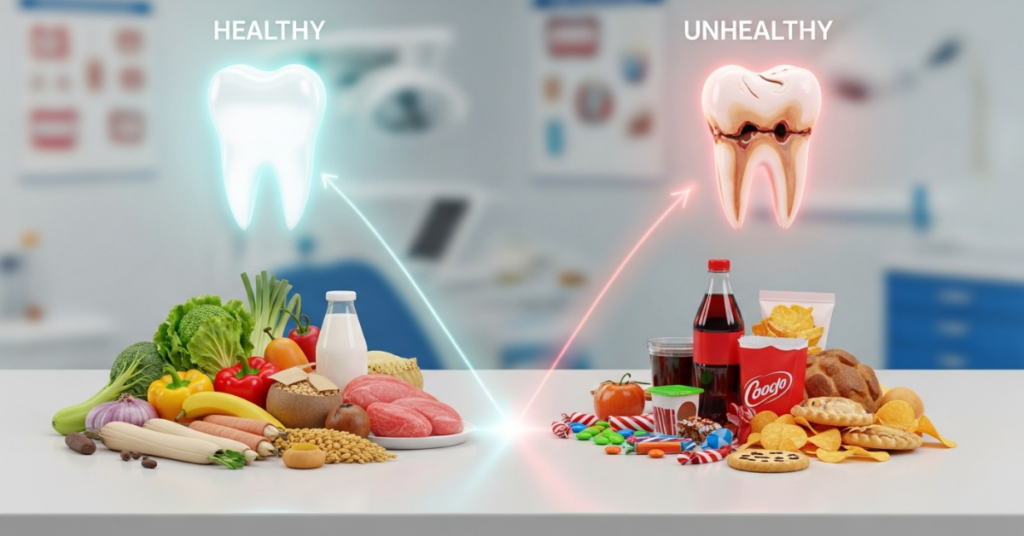
Teeth are meant to last for a lifetime, but the daily consumption of unhealthy food can gradually destroy or weaken them. Despite brushing and flossing your teeth regularly, they will not adequately safeguard your smile if your diet involves the continued consumption of unhealthy food for teeth. Such foods and drinks encourage the growth of bacteria that harm your teeth and can lead to the development of cavities and erosion of the enamel.
So, preventative guidance is necessary, and is provided by general dentistry. This process usually starts with an analysis of your dietary habits, as your nutrition is an essential component to maintain a healthy mouth. To protect your teeth, the first step is to understand the unhealthy foods for teeth. This guide explains to you some unhealthy foods you eat and their impact on your teeth.
How Diet Directly Influences Oral Health
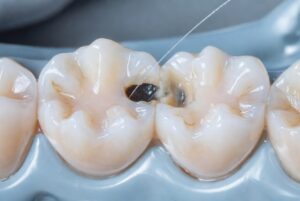
Your mouth is filled with bacteria that thrive on sugar and starches. These bacteria convert food particles into acids as they metabolize them and then attack tooth enamel. As acids repeatedly attack enamel, it becomes progressively weaker until it can not support the tooth anymore. The tooth becomes decayed and sensitive due to a lack of support from the enamel.
Some foods directly damage teeth by adhering to them, while other foods lower the pH level of your mouth, causing enamel to be more vulnerable. Often, it is more important how frequently you eat than how much you eat. Eating frequently creates a continuous source of fuel for bacteria that can lead to dental issues. Once extensive damage has been done to the enamel, restorative options, such as Denver Dental Implants, can be used to replace teeth that have been lost and restore functionality in the mouth.
Sugary Drinks and Their Silent Impact
Soft drinks are packed with sugar and acid. Even the labeled diet drinks are still very acidic and can gradually wear down your teeth’s enamel. The combination of sugar and acid can have a drastic impact on teeth, causing cavities and teeth to wear out. Fruit juice, on the other hand, is often perceived as a healthy beverage but contains high amounts of naturally occurring sugars and acids. Energy drinks, in particular, also have destructive properties to enamel.
Sipping these types of beverages throughout the day prolongs the exposure to acidity and develops stains or wear patterns on the teeth. These are hard to remove, so individuals seek teeth whitening services to enhance their smiles.
Acidic Foods That Erode Enamel
Citrus fruits, such as oranges, lemons, and grapefruits, each contain their own naturally occurring acidic agents that can actually soften the enamel of your teeth. Even though these fruits have nutritional value, consuming them too frequently can cause the tooth enamel to erode and become more sensitive over time. Furthermore, vinegar-related food products such as pickles, salad dressings, and fast food items usually contain high levels of acidity, as in pickle juice, and can sometimes erode tooth enamel, also with repeated exposure.
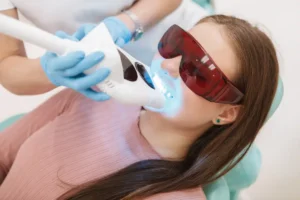
These issues can be treated by both traditional methods of restoration dentistry and technology-based methods like laser dentistry. These are able to treat early decay and gum issues accurately and with very little pain associated with them.
Sugary Foods That Feed Harmful Bacteria
Candies such as toffees and caramels are sticky and sugary in nature. These may stick to the teeth and are not easily removed by the saliva. This increases the chances of bacterial accumulation in the mouth if the food debris is not removed. This bacterium produces acids in the mouth that impact the gum lining and tooth structure. It impacts the appearance of the teeth, i.e., discoloration, which can be treated through cosmetic dentistry procedures.
Cakes and pastries are not as hard as candies are, but they also affect dental health. Being sugary in nature and containing white flour in it also makes it stick to the teeth also. These also contribute to tooth decay and damage. In some cases, structural damage to the underlying tooth structures is rebuilt with implants or veneers.
Starchy and Refined Carbohydrate Foods
Refined carbohydrates, such as white bread and chips, quickly break down and convert to sugar just from chewing in your mouth. Refined pasta and processed snacks yield primarily starches, which are absorbed through your digestive system at a very fast rate. When these foods are consumed rapidly on a frequent basis, they lead to dental plaque formation. It provides the bacteria with a place to thrive, leading to cavities.
Dried Fruits and Hidden Sugar Risks
When considering healthy snack options, many people consider having dried fruit. But you should know there are hidden dangers associated with dried fruits. Some dried fruits, such as raisins and dried apricots, can have higher sugar levels than candy. It is due to their natural high concentration of sugar and their sticky nature. Dried fruits are beneficial to have, but in moderate quantities.
Alcohol and Its Effect on Oral Health
Alcohol also harms oral health by causing dry mouth. Alcohol decreases your ability to produce saliva and the ability to neutralize and wash away the food that you eat. When saliva production slows down, it allows for bacteria to multiply more quickly, which can lead to cavities and gum disease. In addition, many alcoholic beverages have added sugars and acids, which also contribute to the damaging effects of alcohol on your teeth.
Ice and Hard Foods That Cause Physical Damage
Chomping on ice is not a high-sugar activity, but it can lead to microfractures in the enamel of the teeth and can ultimately lead to broken teeth. Hard foods such as popcorn or hard nuts can also create a similar kind of physical damage to your teeth when bitten down on forcefully. Physical damage represents a weakened tooth structure, which can necessitate restorative orthodontic care options.
Frequent Snacking and Grazing Habits
Healthy foods can be harmful if they are consumed frequently throughout the day. Each time food is consumed, toxins are produced by bacteria that create acids that attack tooth enamel for a period of approximately 20 minutes. Because of frequent snacking, the teeth are almost constantly exposed to directly attacking acids, and do not usually have enough time between snacks to recover through naturally-occurring saliva actions. Limiting the amount of snacks that are consumed, it allows our mouth to accumulate adequate saliva to help support a healthy balance in the mouth.
The Long Term Consequences of Poor Food Choices
Long-term decay can cause infections that require extensive treatment for an individual to have healthy teeth. In addition to causing cavities, unhealthy diets can erode your enamel, cause sensitivity in your teeth and gums, and even lead to tooth loss. Studies have also shown that there may be an association between poor oral health and other systemic diseases such as cardiovascular disease and diabetes. By being aware of what you eat and making healthy choices, you are also taking care of your general health.
Preventive Measures to Reduce Dietary Damage
You can limit the damage caused to your teeth by adopting certain preventive measures. The preventive measures will help you remove bacteria from your mouth, thus maintaining healthy oral hygiene. The following are some preventive measures to reduce dental decay:
Choose Timing Carefully: You should consume sugary or acidic foods during mealtimes rather than between meals as snacks. When you take your meals, your saliva glands produce more saliva that helps neutralize the acids in your mouth.
Rinse With Water After Eating: Rinsing your mouth after eating sugary or acidic foods helps wash away the rest of the food debris. It helps bring back a natural and healthy state to your mouth.
Maintain Consistent Oral Hygiene: Brushing with fluoride toothpaste twice daily and flossing regularly removes pre-existing food particles that are stuck in your teeth. Also, if you have eaten acidic foods, you should wait 30 minutes to brush your teeth to avoid brushing your teeth while the enamel of your teeth is soft.
Schedule Regular Dental Checkups: Professional dental cleanings help remove deposits of plaque that you miss with just brushing your teeth every day. Dental visits can help reduce further dental issues by diagnosing problems early.
Conclusion
A poor diet, including unhealthy food for teeth, is a reason for bad dental health. It can lead to the formation of cavities and increase the risk of dental decay. Healthy and unhealthy food for gums is available, choosing what to eat is your preference. It can either protect your teeth or damage them drastically. Mainating a good oral hygiene is essential yet necessary along with regular dental visits. You can visit your trusted dentists at Broadway Family Dentist for a detailed review of your teeth.
FAQs About Unhealthy Food For Teeth
What foods are the most harmful to teeth?
Candy, baked goods, and sweetened drinks are all harmful because of the large amounts of sugar that they contain. Other types of food that may be harmful include those that are sticky or contain a lot of acid in them. Such foods can wear down the enamel and create cavities.
Are sugary drinks worse than sugary foods for dental health?
Yes, they are. The sugar found in soft drinks affects the teeth more than sugary foods. People tend to drink soft drinks throughout the day, so they expose their teeth to acids for prolonged periods of time. This accelerates the breakdown of tooth enamel.
Why are sticky foods bad for teeth?
Sticky foods take longer to leave the surfaces of your teeth, allowing harmful bacteria to produce acid for an extended period of time. Ultimately, these acids increase the risk of tooth decay. So, these foods are bad for teeth.
How does frequent snacking affect oral health?
Frequent snacking keeps the level of acidity in your mouth elevated. If you do not clean your teeth properly after snacking, there are many more chances of cavities developing.
How can I reduce damage from unhealthy foods?
You can reduce the damage from unhealthy foods by avoiding consuming sugary or acidic snacks, e.g., soft drinks and fruit juices, and rinsing your mouth with plain water after eating these types of foods. You should also practice good oral hygiene and see a dentist regularly.
Can enamel damage be reversed?
Yes, tooth enamel can be restored with the use of fluoride within 1 to 2 weeks, if the tooth has not experienced excessive wear. If the tooth has experienced excessive wear, your dentist may recommend a restorative dental procedure.