


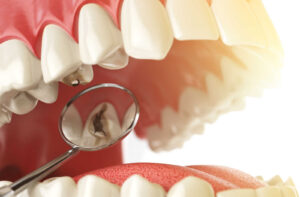








If you have ever encountered the unpleasant feeling of taking a sip of coffee or ice cream and feeling a sharp pain in your teeth, well, you are not alone in this problem. Tooth sensitive to hot and cold drinks and food is one of the most common problems faced by millions of people around the globe. The level and nature of the problem may be minor in some instances and can even be extreme at times, but the good news is that tooth sensitive to hot and cold is fully manageable if you are aware of the problem.
Understanding the Causes of Tooth Sensitivity
Tooth becomes sensitive to hot and cold when the enamel, the protective covering of the tooth, is damaged. This exposes the underlying tooth layer, dentin. It contains nerve endings in it. When these nerves are irritated, they become sensitive to temperature changes. The following are some causes of tooth sensitivity to hot and cold:
Erosion of Tooth Enamel Caused by Diet and Habits
Regular consumption of acidic foods such as citrus fruits, soda, sports drinks, etc., can erode the enamel layer and enhance tooth sensitivity. Similarly, brushing of the teeth in excess, using a hard-bristle toothbrush, etc., can also cause harm to the enamel, leading to tooth sensitive to hot and cold.
Gum Recession and Periodontal Issues
Recession of gum leads to exposure of tooth roots, and as a consequence, tooth roots are not protected by enamel and are therefore vulnerable to temperature changes. This contributes to tooth sensitive to hot and cold. In addition, gum infections may cause tooth sensitivity by damaging tooth support structures.
Grinding and Clenching of Teeth
Grinding or clenching your teeth, usually during sleep, results in a tooth sensitive to hot and cold. Usually people are not aware of grinding their teeth during their sleep and its reason to cause tooth sensitivity, but later, they may experience the effects.
Dental Procedures and Tooth Trauma
If you experience any dental trauma, it can lead to a tooth sensitive to hot and cold. Recurring dental procedures such as fillings, teeth whitening, or crowns may cause short-term pain or discomfort. Individuals with cracked or chipped teeth may experience more pain and tooth sensitivity.
Effective Home Remedies for Tooth Sensitivity
Tooth sensitive to hot and cold can be managed through some of the home remedies that are discussed below. You can opt for different ways to treat such sensitivities. Effective home remedies for sensitive teeth are given as:
Apply a desensitizing toothpaste
Desensitizing toothpastes are among the easiest and most effective solutions to remedy for tooth sensitive to hot and cold. The toothpastes contain ingredients that have been identified to help interrupt nerve impulses traveling to the nerves. It has been noted that many people experience a reduction in tooth sensitive to hot and cold. For optimal benefits, use sparingly and apply directly to the sensitive area before going to bed, and do not rinse after brushing.
Switch to a Soft Bristled Toothbrush
A soft-bristled toothbrush is softer on the enamel and gums, and helps reduce tooth sensitive to hot and cold. Instead of back-and-forth motions, circular motions are more effective in cleaning the teeth without causing damage to the enamel and gums.
Limit Acidic Foods and Drinks
Cutting back on your consumption of acidic foods may help save your enamel from further erosion due to tooth sensitive to hot and cold. However, if you still have to consume acidic foods, it is suggested that you wash your mouth with water and wait thirty minutes or longer before brushing. Brushing your teeth too soon after will accelerate damage.
Maintaining Consistency in Oral Hygiene
It is essential to maintain good oral hygiene to prevent tooth decay and tooth sensitivity. Brushing and flossing are important. As it reduces the chances of bacterial and plaque accumulation. It promotes overall dental hygiene. You can also use fluoride mouthwash to kill the harmful bacteria. This will help you to be consistent with your oral care and reduce the chances of tooth sensitivity.
Professional Treatments That Provide Relief
If your tooth sensitive to hot and cold does not resolve, other than the home remedies, you can consult dental professionals to deal with your sensitivity symptoms. Some of the orthodontic care options are given below for your knowledge:
Fluoride Applications
Your dentist can suggest that you have a concentrated fluoride treatment to treat your tooth sensitivity. It strengthens the tooth enamel and reduces the pain. These treatments can be completed quickly, and improvements can be noticeable with one visit.
Dental bonding or sealants
If sensitivity is caused by exposed tooth roots, your dentist may use a bonding agent or a tooth sealant to coat sensitive areas of your tooth, making them more resistant to changes in temperature. This bonding technique is performed under a vast branch of cosmetic dentistry.
Treatment for Underlying Conditions
In such instances, when the issue is caused by things such as gum disease, cavities, and cracked teeth, direct treatment for these issues will remove the sensitivity. Your dentist can perform different general dentistry procedures in which your teeth are professionally cleaned.
Long-Term Prevention Strategies
It is easier to stop tooth sensitivity from occurring than to treat it once it does. This includes such practices as gentle brushing, eating supportive foods for your enamel, wearing a mouth protector for people who clench their jaws, and regularly visiting the dentist.
Sensitivity to hot or cold may be unpleasant, but it is something you rarely have to live with. The appropriate balance of home care and professional advice will get you pain-free back to the foods and drinks.
Conclusion
Tooth sensitivity may be annoying, but it is usually treatable by using the proper approach. Inexpensive methods for relief include using toothpaste specially designed to reduce sensitivity, brushing teeth gently, and avoiding acidic foods-all of these can reduce symptoms.
With professional help, deeper dental issues can be treated and provided with comfort once again. If sensitivity is persistent, let our team at Broadway Family Dentist help with a personalized treatment plan to comfort and protect your dental health and a beautiful smile.
Frequently Asked Questions (FAQs) About Tooth Sensitive to Hot and Cold
What causes rapid tooth sensitivity to hot and cold food?
Tooth sensitive to hot and cold often occurs suddenly and is usually caused by the wearing away of enamel or the recession of gum, which exposes the dentin beneath. This has tiny channels leading to a nerve, and its response is instant to changes in temperature.
How long does tooth sensitivity last?
Sensitivity resulting from dental treatments or teeth whitening might take a few days up to a couple of weeks to resolve. However, despite appropriate care, the sensitivity that stems from the loss or recession of the enamel might persist.
Is tooth sensitivity permanent?
Tooth sensitive to hot and cold is not permanent. In a number of instances, however, the effects of increased sensitivity may be mitigated or even eliminated by providing appropriate oral hygiene practices and dental procedures.
Will brushing your teeth too hard cause sensitive teeth?
Yes. Aggressive brushing or the use of a hard-bristle toothbrush will cause damage to the enamel or the gums, and with continuous brushing, the inner parts of the teeth will be exposed, causing sensitivity.
Do home remedies show effectiveness for sensitive teeth?
Yes, they do. You can include desensitizing toothpaste and fluoride mouthwash in your daily routine. You can also switch to a new soft toothbrush. Very mild to moderate sensitivity can respond extremely well to these home remedies. Severe sensitivity or pain that does not go away may need to be treated by a professional.