








Gum Disease is one of the most common oral health conditions affecting millions of people worldwide. It often begins with mild symptoms like bleeding gums or bad breath but can gradually develop into a serious problem if left untreated. Fortunately, preventing gum disease naturally is possible by maintaining good oral hygiene, eating a balanced diet, and following healthy daily habits. Consistent care not only protects your gums but also helps preserve your teeth and overall oral health. By understanding the causes and taking preventive steps early, you can reduce your risk of developing gum infections and enjoy a healthier smile for years to come.
Understanding Gum Disease
Gum Disease develops when plaque, a sticky layer of bacteria, builds up around the gumline. If plaque is not removed through regular brushing and flossing, it hardens into tartar, which can only be removed by a dental professional. Over time, the bacteria cause inflammation that damages the gums and the tissues supporting your teeth. Early prevention is much easier than treating advanced stages of the condition. Learning how gum disease develops allows you to make better daily decisions that protect your oral health. A strong oral hygiene routine, combined with healthy lifestyle choices, can significantly reduce your chances of experiencing painful gum problems in the future.
Gingivitis: The Early Stage
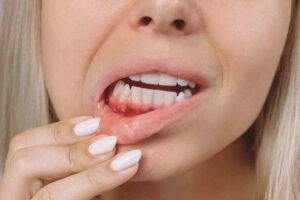
Gingivitis is the mildest form of gum disease and is usually reversible. Common symptoms include red or swollen gums, bleeding during brushing, tenderness, and persistent bad breath. Prompt treatment through improved oral hygiene can restore healthy gums before permanent damage occurs.
Periodontitis: The Advanced Stage
If gingivitis is ignored, it may progress into periodontitis. This advanced stage damages the bone and connective tissues that support your teeth, increasing the risk of loose teeth and tooth loss. Professional treatment becomes essential at this stage.
Brush Properly Every Day
Brushing your teeth correctly is the foundation of preventing Gum Disease naturally. Many people brush daily but still leave behind plaque because they use improper techniques or rush through the process. Dentists recommend brushing twice a day for at least two minutes using a soft-bristled toothbrush and fluoride toothpaste. Gentle circular motions effectively remove plaque without damaging your gums or enamel. Brushing all tooth surfaces, including the gumline and back teeth, ensures bacteria have fewer places to grow. Replacing your toothbrush every three to four months also improves cleaning efficiency and helps maintain healthy gums.
Brushing Tips
- Brush twice every day.
- Use a soft-bristled toothbrush.
- Brush for at least two minutes.
- Hold the toothbrush at a 45-degree angle.
- Replace your toothbrush every three to four months.
Never Skip Flossing
Flossing is an essential part of oral hygiene because your toothbrush cannot reach between your teeth. Food particles and plaque trapped in these tight spaces create an ideal environment for bacteria that contribute to Gum Disease. Daily flossing removes debris before it causes inflammation and helps keep your gums healthy. Although many people overlook flossing, making it a daily habit greatly reduces plaque buildup and supports fresher breath. Proper flossing also minimizes the risk of cavities between teeth and promotes stronger gum tissue over time.
Benefits of Daily Flossing
- Removes plaque between teeth.
- Prevents gum inflammation.
- Reduces bad breath.
- Lowers the risk of cavities.
- Supports healthier gums.
Eat Foods That Support Healthy Gums
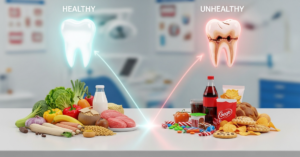
Your diet plays a major role in maintaining healthy gums and preventing infections. A balanced diet rich in vitamins, minerals, antioxidants, and fiber strengthens your immune system and helps your body fight harmful bacteria. Vitamin C supports healthy gum tissue, while calcium strengthens teeth and jawbones. Crunchy fruits and vegetables naturally clean tooth surfaces and encourage saliva production, which washes away bacteria. Limiting sugary snacks and beverages also reduces plaque formation and lowers your risk of gum disease. Good nutrition works together with proper oral hygiene to protect your smile naturally.
Foods to Include
- Oranges
- Strawberries
- Broccoli
- Spinach
- Yogurt
- Cheese
- Almonds
- Apples
- Carrots
- Celery
Stay Hydrated and Use Mouthwash
Drinking enough water benefits your entire body, including your mouth. Water helps rinse away food particles, neutralizes acids, and encourages saliva production. Saliva is your body’s natural defense against harmful bacteria because it washes away plaque-forming microorganisms and keeps your mouth moist. Using an alcohol-free antibacterial mouthwash after brushing and flossing provides an extra layer of protection by reducing bacteria that contribute to Gum Disease. Together, water and mouthwash help create a cleaner oral environment and reduce the likelihood of gum infections.
Healthy Habits
- Drink plenty of water.
- Use alcohol-free mouthwash.
- Avoid sugary drinks.
- Rinse after meals when possible.
Avoid Habits That Damage Your Gums
Some daily habits increase your risk of developing gum disease even if you brush regularly. Smoking is one of the biggest contributors because it reduces blood flow to the gums and weakens your immune system. Excessive sugar consumption feeds harmful bacteria, while chronic stress reduces your body’s ability to fight infection. Teeth grinding can also place unnecessary pressure on your gums and supporting tissues. Eliminating these harmful habits significantly improves your oral health and reduces your chances of developing long-term gum problems.
Habits to Avoid
- Smoking
- Excessive sugar
- Skipping flossing
- Brushing too hard
- Teeth grinding
- Ignoring bleeding gums
Visit Your Dentist Regularly
Natural prevention methods are highly effective, but professional dental care remains an essential part of maintaining healthy gums. Regular dental checkups allow your dentist to remove hardened tartar, monitor your oral health, and detect early signs of Gum Disease before serious complications develop. Professional cleanings remove deposits that brushing and flossing cannot eliminate, reducing the risk of infection and inflammation. Most dental professionals recommend scheduling checkups every six months, although some patients may benefit from more frequent visits based on their oral health needs.
Signs You Should See a Dentist
- Bleeding gums
- Swollen gums
- Persistent bad breath
- Loose teeth
- Gum recession
- Pain while chewing
Conclusion
Preventing Gum Disease naturally requires consistency, healthy habits, and regular oral care. Brushing properly, flossing every day, eating nutritious foods, drinking plenty of water, avoiding harmful habits, and visiting your dentist regularly all work together to keep your gums healthy. Small daily improvements can make a significant difference in protecting your smile and preventing serious dental problems in the future. If you want personalized preventive care and expert guidance for maintaining excellent oral health, Broadway Family Dentist is committed to helping you achieve healthy gums and a confident smile.