

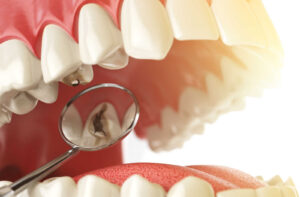


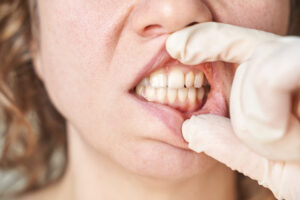





Your mouth can reveal more about your health than you might think. A sore, red, or white patch, or any unusual feeling in the mouth, may be a small sign that your body is trying to give you as a warning sign that you may have oral cancer.
Oral cancer can develop anywhere in the mouth, such as the lips, tongue, inside of the cheeks, gums, or throat. Early detection of oral cancer is vital to a successful cure. Unfortunately, most people ignore the more subtle symptoms of oral cancer. The ability to recognize these symptoms at an early stage can make a great difference. This article provides information on the top 6 most common oral cancer symptoms that everyone should know. The common oral cancer symptoms are listed as:
Persistent Mouth Sores That Do Not Heal
Oral cancer can initially present itself as a wound in the mouth that does not heal well. If you have had an accidental bite that cut or irritated the inside of your mouth, may lead to oral cancer symptoms. It may occur as a result of any general dentistry procedure.
Oral cancers are often associated with an ulcer that persists for weeks or months. If you have developed an ulcer in your mouth, irrespective of maintaining your dental hygiene and using over-the-counter treatments, you should seek consultation with your doctor regarding your ulcer as soon as possible.
Unexplained Pain or Discomfort in the Mouth
If you experience unexplainable mouth pain, do not ignore it. A common example of this pain might be a dull aching or discomfort that persists when you move your jaw or your tongue. Pain may occur in the throat region when you swallow. There can be many reasons for discomfort in the mouth due to infections or dental issues. However, persistent pain that is not responding to the usual treatment may serve as an oral cancer symptom.
Lumps or Thickened Areas in the Mouth
If you feel a lump or thickened area in your mouth, you should consult a physician. It is because these types of abnormal tissue growth may present as oral cancer. Lumps that develop in your lips, tongue, or inside the cheeks may initially not hurt, but may cause complications later, so it is necessary to self- examine regularly. Any abnormal growths or thickened areas of tissue in your mouth should be seen by a medical professional as soon as possible.
White or Red Patches on Oral Tissues
Changes in the color of your oral tissues, like being white (leukoplakia) or red (erythroplakia), could indicate that precancerous or cancerous cells are developing in your gums, tongue, or inner cheeks. This presentation of change in oral tissues is one of the most visible oral cancer symptoms. Not every leukoplakia or erythroplakia (red patch) is cancerous, but getting it checked by a physician is necessary.
Difficulty with Oral Movements
Oral cancer can affect the muscles of mastication, which makes chewing difficult and makes it hard to swallow food. It also impacts the speaking. Difficulty in accomplishing day-to-day tasks may also indicate the presence of a tumor that typically obstructs the functioning of the oral cavity. Early detection can help avoid complications and improve the chances of a successful treatment.
Unexplained Bleeding or Numbness
Bleeding from the oral cavity that does not have an obvious cause can be a concern and present as one of the oral cancer symptoms. In the same way, any numbness in the lips, tongue, or anywhere else in your mouth should be considered an abnormality. Because there can be a possibility that a tumor is there, pushing down or blocking the nerve, causing the numbness. Therefore, if you have any of these symptoms, they will need to be evaluated as soon as possible to have an appropriate diagnosis, as well as to get early treatment for any of these symptoms.
Final Thoughts
Understanding oral cancer symptoms helps in preventing this disease. Being aware of changes that occur in the mouth due to oral cancer and seeking appropriate medical assistance early helps reduce further complications. Additionally, regular dental visits and self-examination can also help in the early detection of oral cancer.
As it is said, early referral saves lives. You can visit Broadway Family Dentist regularly to provide yourself with regular dental maintenance and continuity of professional support for peace of mind.
FAQs About Oral Cancer Symptoms
What are the first signs of oral cancer?
Early signs of oral cancer include non-healing sores in the mouth, unusual lumps or bumps in or around the mouth. White or red patches on the tongue, the lips, or inside the cheeks may be present as an early sign of oral cancer. Pain or discomfort associated with the mouth may also present.
Are white or red patches in the mouth always cancerous?
No, they are not always cancerous. White (leukoplakia) or red (erythroplakia) patches in the mouth can be seen as a primary cancerous lesion, but they are not always cancerous. These patches can also occur as a result of any gastric or digestive discomfort. So, proper diagnosis of these patches is necessary to avoid further risks and complications.
Who is most vulnerable to oral cancer?
The individuals who smoke often and have excessive alcohol intake are at a great risk of developing oral cancer. People who are exposed to the sun for long periods of time, especially on the lips, can develop oral cancer. Moreover, adults over the age of 50 and those having oral cancer in their family history are more prone to acquiring oral cancer. Lastly, individuals suffering from infections such as human papillomavirus (HPV) are also at a higher risk of developing oral cancer.
How is oral cancer diagnosed?
Oral cancer is diagnosed by a physician or a dentist through a detailed physical examination. He/she can also have an imaging done to confirm their diagnosis. Moreover, they may go for a biopsy on any areas of the tissue that are suspected to be cancerous to determine whether or not the tumor is present.
Can oral cancer be prevented?
In many cases, oral cancer cannot be avoided completely, but its risk can be decreased. It can be done by avoiding the factors influencing oral cancer and taking some preventive measures. These include avoiding smoking or alcohol use, using lip protection to protect against too much sun, and keeping your mouth clean by maintaining good oral hygiene.
When should I see a dentist for a checkup regarding oral cancer?
If you notice any unusual sores or lumps, color changes, persistent pain, or numbness in your mouth, schedule an appointment with your dentist as soon as possible. Visiting your dentist regularly for a routine dental examination can help identify the oral issues early that later helps in disease management (if it occurs).