




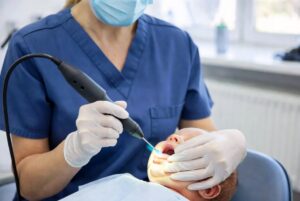


Showing off a healthy smile indicates your overall health, how well you feel about yourself, and, importantly, how comfortable you are with eating, speaking, and getting through everyday life with sensitive teeth. Fortunately, you can strengthen your teeth by maintaining proper dental hygiene, eating balanced meals, and developing habits that promote good oral health. This guide provides you with practical and proven methods for how to strengthen teeth, so they may remain strong for many years to come.
Understanding What Makes Teeth Strong
It is essential to understand the structure of teeth first, before knowing how to strengthen them. There are several layers of tissue within every tooth. The outer layer is a very strong structure known as enamel, and then there is a second layer, dentin, which is a much softer inner layer known as the pulp, which contains nerves and blood vessels in it.
The Role of Enamel in Tooth Protection
The purpose of enamel is to shield dentin and pulp from any harm. The enamel shields our teeth from acids that are formed from food we consume, temperature fluctuations from hot and cold food, and any physical pressures that we might experience while eating, etc. The only problem with tooth enamel is that it cannot be restored once it has become severely damaged. Therefore, we must practice preventive and orthodontic care early. Prolonged exposure to this kind of food and poor oral hygiene habits can eventually weaken the thickness of your tooth’s enamel.
Building Strong Teeth Through Proper Oral Hygiene
Healthy oral hygiene essentially establishe a foundation for healthy teeth. Establishing healthy teeth through healthy oral hygiene requires a few daily practices that provide measurable results. Some of these practices are given as:
Brush with the Right Technique
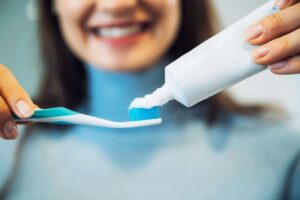
Brushing your teeth with fluoride toothpaste a minimum of twice daily removes plaque from your teeth while also strengthening your tooth enamel with fluoride. Fluoride helps in the remineralization of teeth. Re-mineralization is how your teeth are restored to the proper levels of essential minerals through the toothbrush you use.
Brushing your teeth requires the use of a soft-bristle toothbrush in conjunction with light circular brush strokes. Brushing your teeth with too much scrubbing force can result in brushing away your enamel and irritating your gums. You should consider replacing your toothbrush every three months and certainly replace it anytime the bristles are worn out.
Flossing for Complete Protection
Flossing removes food debris and plaque from the surfaces of your teeth where a toothbrush cannot reach, thereby allowing bacteria to grow, which could lead to decay and weakened tooth fillings. The use of daily flossing reduces your risk of developing cavities between your teeth and allows you to achieve greater strength in your teeth.
Consider an Antimicrobial Mouth Rinse
Antimicrobial mouthwash, which is non-alcoholic in nature, kills detrimental bacteria from your mouth and aids in providing enamel protection on your teeth. You should know that it is not a substitute for brushing and flossing your teeth. However, when used properly, it will enhance your overall healthy oral hygiene.
Nutrition That Reinforces Dental Health
Nutrition is an important factor when it comes to good dental health. Enamel strength and your overall oral health are determined by the minerals and nutrients that you eat. The following are some of the nutrients and minerals that reinforce dental health:
Calcium and Vitamin D for Structural Support
Calcium is critical for the formation of strong teeth and bones. Foods with high calcium levels include dairy products, dark green vegetables, almonds, and fortified foods. Vitamin D is an important vitamin for making your teeth strong. It is essential for calcium to be absorbed in your body. Exposure to sunlight and other foods such as eggs and fish can help get enough vitamin D required for good oral health. If you do not get enough calcium or vitamin D, your teeth may be more likely to break or develop cavities.
Phosphorus and Magnesium for Mineral Balance
Calcium and phosphorus are both necessary minerals for enamel strength. Fish, poultry, nuts, and legumes are rich sources of phosphorus. Magnesium is also instrumental in the proper formation of mineralized teeth. The presence of these minerals in the diet helps to strengthen the internal structure of the tooth.
Limiting Sugar and Acidic Foods
Too much sugar and acidic drinks eventually lead to the weakening of enamel. When sugars are consumed by bacteria, they produce acid that, in turn, erodes the surface of the teeth. Some common sources of high sugar and acidic foods are soda, citrus-based juices, and sweetened processed foods.
If you consume acidic or sugary foods, make sure to rinse your mouth afterward. But mentioning here, do not brush your teeth for a minimum of 30 minutes after eating because immediate brushing of your teeth after having food leads to damage to the tooth enamel.
Encouraging Natural Remineralization
The body naturally remineralizes or repairs the small weakness in the teeth by placing minerals back into the teeth after they have been lost as a result of an acid attack. For this purpose, fluoride is important.
The Importance of Fluoride
Fluoride enhances the process of restoring mineral content to the teeth and helps to rebuild any lost or damaged minerals on the surfaces of the teeth. Thus, it resists decay due to acids that can cause cavity formation on the tooth surface. Use of fluoride toothpaste on a daily basis will also help to restore minerals to the teeth.
Saliva as a Protective Agent
Saliva has the ability to neutralize acids and provides additional minerals to the tooth surface. Adequate hydration helps to ensure that enough saliva is produced. Individuals with dry mouth are unable to provide this same level of protection as those with normal saliva and therefore have a greater likelihood of having weakened or under-mineralized teeth. Therefore, it is good to carry a water bottle and drink water consistently throughout the day to support proper hydration levels.
Professional Dental Care as a Preventive Measure
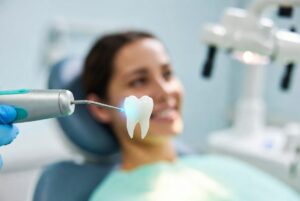
Visiting the dentist regularly to keep your teeth healthy is an important part of maintaining proper oral health. The dentist examines your mouth for any evidence of tooth staining or damage that you may not see by you.
Regular Dental Examinations
Regular dental checkups by your dentist assess the condition of your enamel, identify any cavities that may exist, and check soft tissue health for signs of gum disease. By receiving early intervention from your dentist, you can stop any small issues before they turn into major structural problems.
Professional Cleanings
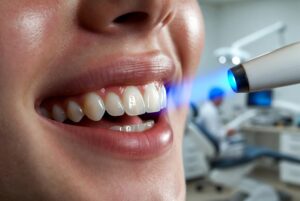
You cannot clean hardened plaque from your teeth with brushing alone. The professional removal of tartar from your teeth at a dental office will help prevent further decay and irritation of your gums. Patients with a higher risk of tooth decay may also benefit from topical fluoride treatments followed by teeth whitening treatment, a procedure of cosmetic dentistry. These contain concentrated samples of fluoride that help strengthen tooth enamel.
Lifestyle Habits That Protect Teeth
Our everyday habits play a considerable role in how strong our teeth are. Daily lifestyle habits influence our dental health. Either the impact is good or bad, it depends on our lifestyle habits. Some of these habits that impact our dental health are given below:
Avoiding Tobacco Use
Using tobacco and smoking weaken the enamel, stain your teeth, and increase your risk for gum disease. If you have weak teeth and gums, you should avoid smoking and tobacco use, as they enhance tooth decay and lead to gum disease.
Protecting Teeth During Physical Activity
When playing sports or participating in any recreation, there is always the risk of injury to your teeth. Getting fitted with the right mouth guard helps prevent the chances of damage or fractures to your teeth enamel.
Addressing Teeth Grinding
Bruxism, or teeth grinding, is the term used for putting too much pressure on your enamel. This pressure can lead to cracks and sensitivity over time. Sometimes people grind their teeth when they are asleep, so it would be a good idea to talk to your dentist about getting fitted for a protective mouth guard.
Recognizing Early Signs of Weak Teeth
Awareness can also be a factor in strengthening teeth. This means that awareness of early signs of complications can allow for early intervention. Early signs of complications are increased sensitivity, fractures, and an increased number of cavities, resulting in gum recessions. If any of this happens, early intervention can be sought.
Developing a Long-Term Dental Care Routine
Being consistent with dental care is more significant than intensifying the process. Build your program around brushing teeth at least twice each day, flossing once every day, drinking plenty of water, and maintaining a well-balanced diet. Also, schedule with your dentist to see them at least 2 times a year or more if suggested by your dentist. Small habits formed over time result in greater strength of teeth over the long-term.
Conclusion
A person develops good dental health through informed decisions and good care habits. A certain enamel protection with certain dietary habits needs to be followed. No one builds strong teeth overnight. It takes an ongoing individualized commitment to your oral hygiene and a commitment to having a healthy lifetime oral hygiene. By completing these, you can feel comfortable knowing that you will have a healthy smile for life. Healthy smiles are a reflection of your total health. With the right knowledge and persistence every day, you will continue to have strong teeth as long as you want to have them. For many such informational blogs, visit Broadway Family Dentist more often.
FAQs About How To Strengthen Teeth
What are the most effective ways to strengthen teeth naturally?
The best way to keep your teeth strong is to brush your teeth at least 2 times a day using toothpaste containing fluoride, floss every day, eat foods high in calcium, drink plenty of water, and see your dentist for regular checkups. Consistently taking care of your teeth each day is critical in maintaining the strength of your teeth over time.
Is enamel regrowth possible?
Since enamel has no living cells, it cannot be replaced once it has been damaged. However, if the damage to the enamel is detected soon enough, the remineralization process will be able to repair the damaged area with fluoride and good overall nutrition.
How does fluoride help in strengthening teeth?
Fluoride will help you remineralize your enamel by putting minerals back into it. It will also help make your teeth stronger to fight off acids from bacteria and sugary foods that can wear down your teeth.
Can teeth become stronger with age?
No, your teeth are not going to get stronger as you get older. In fact, over time, the enamel will slowly get thinner and thinner. Good oral hygiene and preventive dental work are necessary to keep your teeth strong throughout your life.
Is tooth sensitivity a sign of weak enamel?
Yes. Increased sensitivity when consuming anything hot, cold, or sweet indicates that your enamel has become thin or your dentin is exposed. Treating this problem as soon as possible will help stop any additional weakening.