









A small cavity can start quietly. You may not feel pain at first. You may not see anything unusual in the mirror. Then one day, a tooth feels sensitive, food gets stuck, or your dentist finds decay during a routine exam.
That is why prevention matters.
ACT Mouthwash is popular because it gives many people an easy way to add fluoride protection to their daily oral care routine. It does not replace brushing, flossing, cleanings, or dental exams. Still, when used correctly, it can support stronger enamel and help lower the risk of cavities.
For families, teens with braces, adults with dry mouth, and people who often get cavities, a fluoride mouthwash can be a smart addition. The key is knowing which type to choose, how to use it, and when to ask a dentist for a more personalized plan.
Why Cavities Happen Even When You Brush
Cavities form when bacteria in the mouth feed on sugars and starches. This process creates acids. Those acids attack tooth enamel, which is the hard outer layer of the tooth.
At first, enamel damage may look like a weak spot. Over time, that weak spot can turn into a cavity. Once decay breaks through the enamel, the tooth usually needs dental treatment.
Brushing twice daily helps remove plaque. Flossing cleans between teeth. Professional cleanings remove buildup that home care misses. Fluoride adds another layer of protection by helping enamel resist acid attacks and supporting remineralization.
In many cases, people who need extra cavity protection include:
- Children and teens who miss spots while brushing
- Adults with frequent snacking habits
- People with dry mouth
- Patients with braces or aligners
- People with exposed root surfaces
- Patients with a history of cavities
- Anyone who drinks soda, sports drinks, or sweet coffee often
A better approach is not to wait until decay appears. The goal is to make the mouth less friendly to cavities every day.
What Makes ACT Mouthwash Different
ACT Mouthwash is known as an anticavity fluoride rinse. Many ACT formulas use sodium fluoride as the active ingredient. Fluoride matters because it helps protect enamel before small problems become larger dental issues.
This is where ACT Mouthwash fits best. It serves as a supporting product in a complete oral care routine.
It may help:
- Strengthen enamel
- Support remineralization of early weak spots
- Freshen breath
- Rinse areas that brushing may not fully reach
- Add fluoride exposure between dental visits
One practical way to think about it is simple. Toothpaste gives fluoride during brushing. A fluoride rinse gives another short contact period after brushing. That extra exposure can help people who need more cavity defense.
ACT Mouthwash Is Not Just for One Type of Patient
Many people think mouthwash is only for fresh breath. That is not true for therapeutic rinses. A fluoride mouthwash serves a different purpose from a basic cosmetic rinse.
ACT Mouthwash may be useful for people seeking daily cavity support, but the right formula depends on the individual.
For Adults With Frequent Cavities
Some adults brush well but still get cavities. The reason may be diet, dry mouth, gum recession, old fillings, or crowded teeth.
For these patients, ACT restoring mouthwash may be a practical choice because it focuses on anticavity support and enamel strength. It is not a treatment for an active cavity, but it can support a prevention plan.
A dentist may also recommend professional fluoride treatments, sealants, dietary changes, or more frequent cleanings if the risk of cavities remains high.
For Teens With Braces
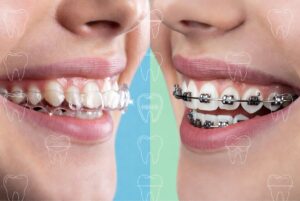
Braces create small spaces where plaque can collect. Food can stay around brackets and wires. Even good brushers may miss tight areas.
A fluoride rinse can help support enamel during orthodontic treatment. Parents should still make sure teens brush carefully, floss with the right tools, and attend regular dental visits.
If your child or teen needs help building a cavity-prevention routine, orthodontic care can include guidance on brushing, flossing, and using fluoride during treatment.
For People With Dry Mouth
Dry mouth is more than an uncomfortable feeling. Saliva helps clean the mouth and balance the mouth’s acidity. When saliva flow decreases, the risk of cavities can increase.
Some people search for an ACT dry mouth lozenge for quick daytime moisture support. These lozenges may help stimulate saliva production and soothe dryness, while a fluoride rinse can help protect enamel.
Dry mouth can come from medications, dehydration, mouth breathing, certain health conditions, or aging. If it continues, it warrants a dental conversation rather than guesswork.
ACT Mouthwash vs Regular Mouthwash
Not every mouthwash does the same job. Some only freshen breath. Some help with plaque or gum concerns. Others focus on cavities.
Here is a simple comparison.
| Type of Mouthwash | Main Purpose | Best For | Important Note |
| Fluoride mouthwash | Helps prevent cavities and supports enamel | People with cavity risk, braces, dry mouth, or weak enamel | Use as directed and do not swallow |
| Cosmetic mouthwash | Freshens breath temporarily | Short term breath freshness | May not help prevent decay |
| Antiseptic mouthwash | Helps reduce bacteria linked to plaque or gum issues | Some patients with gum concerns | Ask a dentist if it is right for daily use |
| Dry mouth rinse | Helps soothe oral dryness | People with dry mouth symptoms | Look for alcohol free options when dryness is a concern |
| Whitening mouthwash | Supports stain control or whitening routine | People focused on brightness | Results vary and may not treat deeper stains |
If your main concern is cavities, a fluoride-based mouthwash is usually a better fit than a rinse that only promises fresh breath.
How to Use ACT Mouthwash Correctly
The biggest mistake is using mouthwash like a quick splash. Fluoride needs proper contact time.
Most ACT fluoride rinses direct adults and children aged 6 and older to swish the measured amount for about 1 minute, then spit it out. Many labels also advise not eating or drinking for a short period afterward.
A simple routine looks like this:
- Brush with fluoride toothpaste.
- Floss once daily, preferably before brushing at night.
- Pour the recommended amount of rinse.
- Swish for the full recommended time.
- Spit it out completely.
- Avoid rinsing with water right after, unless your dentist tells you otherwise.
For children, supervision matters. Young children may accidentally swallow mouthwash. Fluoride rinses are generally not recommended for children under 6 unless a dentist provides specific guidance.
Common Mistakes That Reduce Results
ACT Mouthwash can help, but only when people use it correctly. These mistakes make it less effective.
Using It Instead of Brushing
Mouthwash does not remove plaque the way brushing does. It cannot clean sticky buildup from the gumline. It also cannot replace floss between teeth.
Think of it as support, not a shortcut.
Rinsing for Only a Few Seconds
A quick rinse may freshen breath, but it may not give the teeth enough fluoride contact. Follow the label timing.
Eating or Drinking Immediately After
Food, coffee, water, or soda right after rinsing can wash away the fluoride too soon. Give the rinse time to work.
Choosing the Wrong Formula
If you want cavity protection, choose a mouthwash with fluoride. If you have dry mouth, alcohol free products may feel more comfortable. If you have gum bleeding, sensitivity, implants, veneers, or crowns, ask your dentist which mouthwash is best for your situation.
Ignoring Repeated Cavities
If cavities keep coming back, mouthwash alone is not enough. You may need a full risk assessment, X-rays, a diet review, a bite evaluation, or a customized prevention plan through general dentistry.
Expert Recommendation From a Dental Care Perspective
ACT Mouthwash can be a strong daily helper, but the best results come from a complete plan.
A practical dentist-guided routine may include:
- Brushing twice daily with fluoride toothpaste
- Flossing once daily
- Using fluoride mouthwash as directed
- Limiting frequent sugar and acidic drinks
- Drinking water after snacks
- Scheduling regular exams and cleanings
- Treating dry mouth early
- Asking about sealants or professional fluoride if cavities return
For Denver patients, the local lifestyle can also matter. Busy work schedules, coffee habits, sports drinks, mountain travel, and dry air can all affect the mouth. If your mouth often feels dry, your teeth often feel sensitive, or new cavities often appear, do not rely on store products alone.
One visit can help identify whether the issue comes from enamel weakness, exposed roots, old restorations, diet, dry mouth, or brushing technique.
When Mouthwash Helps and When You Need Dental Treatment
ACT Mouthwash helps with prevention. It does not repair a deep cavity. It does not remove decay. It does not replace a filling, crown, implant, or professional cleaning.
You should schedule a dental visit if you notice:
- Tooth pain
- Sensitivity to cold or sweets
- A visible dark spot
- A chipped tooth
- Food trapping between teeth
- Swollen gums
- Bleeding when brushing
- Bad breath that does not improve
- Dry mouth that lasts for weeks
If decay has already damaged a tooth, treatment may range from a simple filling to a crown. If a tooth is missing or cannot be saved, Denver dental implants may help restore chewing function and appearance.
Prevention is always easier than major treatment. That is the real value of using the right products early.
How ACT Mouthwash Fits Cosmetic Dental Goals
Healthy enamel also affects how your smile looks. Teeth with less plaque buildup and fewer weak spots often look cleaner and feel smoother.
Still, mouthwash does not whiten teeth as effectively as professional care. If your main goal is a brighter smile, ACT Mouthwash may support oral health, but deeper stains usually need a different plan.
Patients who want a cleaner, brighter smile may benefit from teeth whitening after a dentist checks for cavities, gum irritation, or sensitivity. Whitening works best when the mouth is healthy first.
For patients seeking more significant smile changes, cosmetic dentistry may include options such as bonding, veneers, whitening, or smile design. In those cases, a routine fluoride treatment can help protect the natural teeth surrounding cosmetic work.
What About Implants, Veneers, and Restorations
Dental implants and veneers do not get cavities the same way natural tooth enamel does. However, the teeth and gums around them still need daily care.
A fluoride rinse may help protect remaining natural teeth. Good home care also helps reduce plaque around crowns, bridges, veneers, and implant restorations.
Patients with implants & veneers should ask their dentist which mouthwash is best. Some people need alcohol free formulas, special flossing tools, water flossers, or more frequent hygiene visits.
A Simple Cavity Prevention Checklist
Use this checklist to decide whether ACT Mouthwash belongs in your routine.
You may benefit from a fluoride rinse if you:
- Get cavities often
- Have braces or orthodontic appliances
- Feel dry mouth during the day or night
- Snack often
- Drink sweet or acidic beverages
- Have gum recession
- Have crowns, bridges, veneers, or fillings
- Want stronger enamel support
- Forget to floss some days
- Want a simple step after brushing
You should ask a dentist first if you:
- Have a child under six
- Swallowed mouthwash by accident
- Have severe dry mouth
- Have mouth sores or burning
- Have active tooth pain
- Are not sure which rinse fits your dental work
- Use prescription dental products already
How Broadway Family Dentists Helps Denver Patients Choose Smarter Home Care
Many people buy dental products based on the label. That can work for basic needs, but it may not be enough when cavities keep returning.
Broadway Family Dentists serves patients in Denver, Colorado, with family dental care, cosmetic treatment, implant support, and prevention-focused guidance. During a dental visit, the team can evaluate your teeth, gums, enamel, bite, restorations, and risk of cavities before recommending a home care routine.
A typical first visit may include an oral health evaluation, a discussion of treatment options, and a clear review of costs. The office also notes that it accepts most major insurance plans and offers flexible financing options. For patients without insurance, the website currently lists offers for new-patient exams and X-rays, which can make it easier to start care.
That kind of guidance matters because not every patient needs the same rinse. One person may need fluoride mouthwash. Another may need dry mouth care. Someone else may need treatment for decay before prevention products can help.
The Bottom Line on ACT Mouthwash
ACT Mouthwash can be a helpful part of cavity prevention when you use it correctly and choose the right formula. It supports enamel, increases fluoride exposure, and gives many patients a simple daily step that fits easily into their routine after brushing.
The most important point is balance. Mouthwash works best with brushing, flossing, regular dental visits, and smart food and drink habits. If you already have tooth pain, visible decay, recurrent cavities, dry mouth, braces, implants, or cosmetic dental work, ask a dentist for advice tailored to your mouth.
Good prevention does not need to feel complicated. It needs to be consistent, personalized, and supported by the right dental team at Broadway Family Dentists.