





Pediatric tooth decay is one of the most common dental issues in children. Children lose teeth as they grow, a normal development process, but tooth decay is not common. Various lifestyle factors, such as diet and oral hygiene habits, influence the dental health of children. Despite new advancements in modern dentistry, the risk of dental cavities has not been reduced in children. Professionals and parents are concerned about their child’s dental health. It is important to make informed decisions regarding children’s dental care. This blog presents pediatric tooth decay trends. It is important to be aware of them to support the oral and dental well-being of children.
How Pediatric Dental Health Is Changing in Modern Times
Over the period of time, the dietary habits of children are being changed. Children nowadays are more exposed to processed, sugary food than children in the past. Snacking on carbs has become a daily habit. This unhealthy intake of dietary choices has influenced overall children’s dental health and increased the risk of pediatric tooth decay. These food choices impact the oral environment due to bacterial accumulation, which causes acidic attacks on teeth and makes dental health suffer.
Dietary Intake of Packaged Food
The increased use of packaged, easy-to-cook food has also become an evident reason for impacting the dental health of children. Many parents feed their children packaged foods that make their children’s little tummies full, but do not fulfil the nutritional requirements necessary for them. Parents should understand that packaged foods can be easy to make and quicker to cook, but these foods do not provide complete nutrition to their child. The nutrition in packaged food and the freshly prepared meal can’t be compared. Use of such foods weakens the dental structure and leads to the formation of cavities. And it is one of the major causes of pediatric tooth decay.
All these concerns can be addressed soon due to new advancements in general dentistry, which help support oral and dental care by detecting the issues early. It helps improve the overall dental state of the child and reduces the risk of future complications affecting the overall health.
Why Early Childhood Cavities Are Becoming More Common
Early childhood caries is a dental concern that is common to occur in children aged six and younger. These include the infants and young children. These types of dental cavities are prone to occur in children and can also be diagnosed in a timely manner due to advancements in pediatric dentistry.
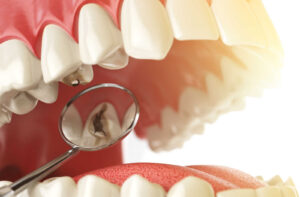
One of the main reasons for developing dental caries in young children is the increased exposure of their oral cavity to sugary drinks. These sugary drinks include milk, juices, and formulas. This increased exposure to sugary fluids increases the risk of the formation of caries (cavities) in children. And lead to the formation of bottle feeding cavities in children. This pediatric tooth decay is of serious concern. It requires medical attention as it can impact overall dental health in the upcoming years of growth.
Modern dentistry technologies and treatment measures, such as orthodontic care, can be used to help treat these bottle-feeding cavities and pediatric tooth decay in infants and young children.
The Role of Diet in Shaping Pediatric Tooth Decay Trends
Dietary factors are one of the most common yet important predictors of pediatric tooth decay trends in consideration of modern dentistry. Children love to eat sugary foods more often, that silent kills their dental well-being by destroying the oral environment and increasing the risk for the development of dental cavities. Pediatric tooth decay becomes common as a result. Eating snacks multiple times a day increases the risk of dental decay. Parents should know that the frequency of having sugary foods is much more devastating than the amount of sugar intake.
The sticky, packaged, processed foods and acidic drinks that child has have led to weakening the enamel and causing it to be destroyed faster. This all leads to pediatric tooth decay because of the development. Plus, when such a diet is coupled with poor oral hygiene, i.e., not brushing after having sugary foods, it multiplies the progression of dental destruction.
Pediatric tooth decay may cause the teeth to lose their natural appearance and structure, requiring special cosmetic dentistry procedures. They may require restorative procedures in some cases as early as due to dental decay.
Modern Approaches to Dentistry and Oral Health Prevention
Modern dentistry has made significant improvements in the field of dentistry. It helps improve pediatric tooth decay and other dental conditions by making new advances in treatment methodologies and introducing early, preventive care.
Detecting dental diseases and conditions early on helps in their effective management. It is done through routine dental visits. It allows for safe practices for detecting the weakening of dental enamel, which also helps with timely management. The following are some of the key advances in modern dentistry that help support pediatric tooth decay and promote healthy dental well-being. These are given as:
- Preventive Care: Modern dentistry provides early preventive measures to reduce the risk of pediatric tooth decay by enhancing the use of preventive care treatments. It includes the use of fluoride treatments, dental sealants, and protective coatings. In some cases, restorative procedures, such as implants and veneers, can be used or suggested by the professionals to preserve the dental structure.
- Modern Dentistry Technologies: New technologies, such as laser dentistry, are one of the advancements of general dentistry that allow for a minimally invasive treatment method. It reduces the treatment pain and improves the results by its precision. This advancement also benefits the children as being less irritable while treating the pediatric tooth decay and cavities.
- Advanced Dental Care Services: Teeth whitening, an advanced dental care is often associated with adult dentistry, but in some cases, it can be safely applicable to children. With a precise treatment approach, teeth whitening can be performed in children by an expert to improve the cosmetic concerns of a child.
How Daily Habits Influence Children’s Oral Health
Professional dental cleaning is of great importance, but it does not mask the value of regular, daily dental care. When one follows a healthy dental care regimen and then has professional dental cleaning occasionally, it multiplies the overall results. The use of fluoride toothpaste is encouraged, as it reduces the risk of the development of dental cavities in children.
Parents should monitor their child’s brushing to teach them how to brush properly. It will help reduce the chances of pediatric tooth decay by eliminating all the plaque accumulated in the dental cavity. Without proper guidance, children will not be able to learn safe brushing measures.
Socioeconomic and Environmental Influences on Dental Health
Socioeconomic factors influence dental care in a significant manner. It presents the delays in preventive care and enhances the risk of developing pediatric tooth decay and related conditions.
Moreover, awareness of dental problems and related issues also plays a part in disease prevention. Environmental conditions, such as an individual’s access to fluoridated water, can also greatly impact dental well-being. The individuals who are aware of dental risks and related complications are likely to have fewer dental issues. They are also capable of making their child practice healthy oral habits to reduce the risk of pediatric tooth decay.
Conclusion
Pediatric tooth decay is a common yet significant dental concern in young children. Safe daily practices and healthy dental practices help ensure the reduction in dental issues and related risks. Parental control and dental guidance play a crucial role in supporting children’s oral and dental care. It reduces the risk of dental issues in them. Proactive measures can be taken by visiting professionals at Broadway Family Dentists. They will evaluate your child and take measures to improve their overall dental and oral health.