






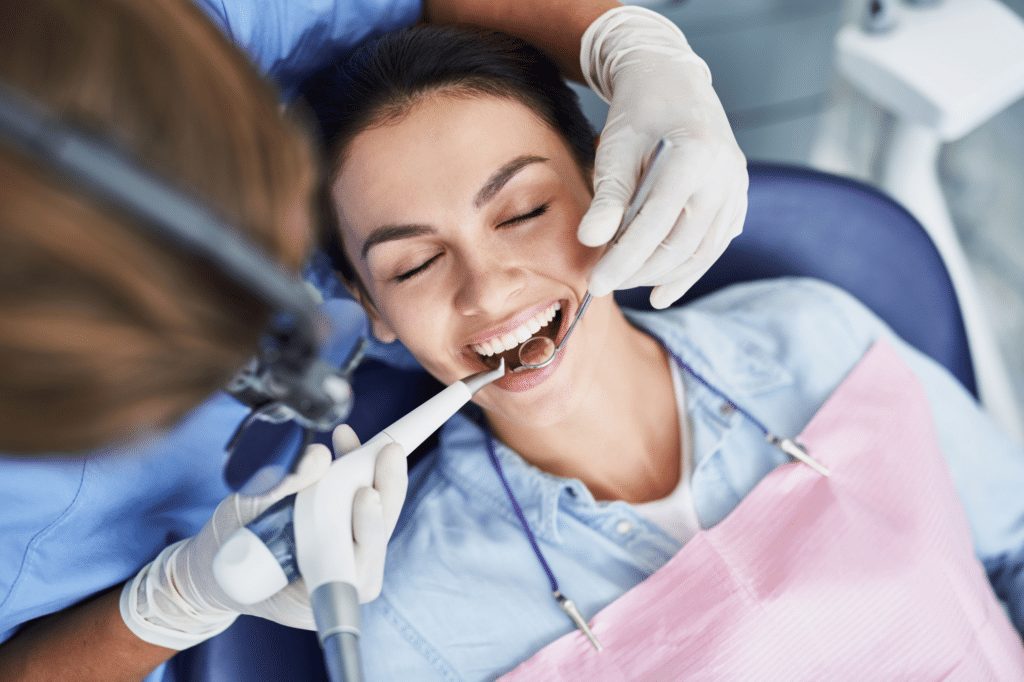
Dental pain can appear suddenly. One moment you feel fine, and the next you may have a sharp toothache, swelling, a cracked tooth, bleeding gums, or a knocked-out tooth. In these moments, many patients ask the same question: Is this a real dental emergency, or can it wait?
Understanding the difference can help protect your teeth, reduce pain, and prevent a small problem from becoming more serious. At Broadway Family Dentistry & Implants in Denver, patients can receive guidance for urgent dental concerns, same-day appointments, and emergency dental care when quick attention is needed.
What Is a Dental Emergency?
A dental emergency is a dental problem that needs fast professional care. Some dental issues are uncomfortable but not urgent. Others require immediate attention because delaying care may increase the risk of infection, tooth loss, severe pain, or further damage.
Common dental emergencies include:
- Severe toothache that does not improve
- A knocked-out adult tooth
- A cracked, broken, or badly chipped tooth
- Facial swelling linked to tooth pain
- A dental abscess or gum infection
- Bleeding that does not stop
- Injury to the mouth, lips, gums, jaw, or teeth
- A lost filling, crown, bridge, or dental restoration is causing pain
- Pain after dental treatment that becomes worse instead of better
If you are unsure, it is always safer to call a dentist and explain your symptoms. A dental team can help you decide whether you need same-day care, a scheduled visit, or emergency medical attention.
When Tooth Pain Needs Same-Day Dental Care
Not every toothache is an emergency, but some types of tooth pain should not be ignored. Pain that lasts more than a day or two, gets worse, wakes you up at night, or comes with swelling may be a sign of infection or deep tooth damage.
You should contact a dentist quickly if your toothache includes:
- Constant throbbing pain
- Pain when biting or chewing
- Swelling around the gum or face
- Sensitivity that does not go away
- A bad taste in the mouth
- Fever or feeling unwell
- Red, swollen, or draining gums
- Pain spreading to the jaw, ear, neck, or head
Pain medicine may reduce discomfort for a short time, but it does not fix the cause. Tooth decay, infection, cracks, gum problems, or damaged dental work need a proper dental exam.
Facial Swelling and Dental Infection Warning Signs
Swelling is one of the most important warning signs in dentistry. A swollen gum, cheek, jaw, or face may indicate an infection. A dental abscess can develop when bacteria enter the tooth through a cavity, crack, chip, or deep gum pocket.
Possible signs of a dental abscess include:
- Severe, constant toothache
- Gum swelling near one tooth
- A pimple-like bump on the gum
- Swelling in the cheek, jaw, or neck
- Fever
- Bad taste or foul odor in the mouth
- Pain when chewing
- Tender lymph nodes under the jaw or neck
Dental infections do not usually disappear on their own. Even if an abscess drains and pain improves, the infection may remain. Treatment may involve draining the infection, root canal therapy, tooth extraction, antibiotics when appropriate, or another dental procedure based on the diagnosis.
Seek emergency medical care right away if swelling affects breathing or swallowing, or if you have a fever with facial swelling and cannot reach a dentist.
What to Do If a Tooth Is Knocked Out
A knocked-out adult tooth is a true dental emergency. Fast action may improve the chance of saving the tooth.
If an adult tooth is knocked out:
- Find the tooth immediately.
- Hold it by the crown, not the root.
- If it is dirty, gently rinse it with water.
- Do not scrub it.
- Do not use soap or chemicals.
- Do not wrap it in tissue.
- If possible, gently place it back into the socket.
- If you cannot place it back, keep it moist in milk, saliva, or a tooth preservation kit.
- Call a dentist immediately.
Baby teeth are different. Do not try to force a baby tooth back into the socket. A dentist should check the child’s mouth to see whether the entire tooth came out and whether nearby teeth, gums, or bone were injured.
What to Do for a Cracked or Broken Tooth
A cracked or broken tooth may look minor, but it can expose deeper layers of the tooth. This may lead to sensitivity, pain, infection, or further breakage.
If you crack or break a tooth:
- Rinse your mouth with warm water.
- Save any broken pieces of the tooth if possible.
- Apply a cold compress to reduce swelling.
- Avoid chewing on that side.
- Do not use the tooth to bite hard foods.
- Call a dentist as soon as possible.
Treatment depends on the size and depth of the crack. A small chip may need smoothing or bonding. A larger fracture may require a filling, crown, root canal, or extraction if the tooth cannot be saved.
Lost Fillings, Crowns, or Dental Restorations
A lost filling or crown can expose sensitive tooth structure. It may also leave the tooth weaker and more likely to break. If you lose a dental restoration, avoid chewing on that side and call your dentist.
A same-day visit may be needed if there is:
- Pain
- Sharp edges can cut your tongue or cheek
- Sensitivity to air, cold, or heat
- A bad taste or odor
- The feeling that the tooth is cracking
- A crown on a front tooth or an implant restoration
Do not use household glue to reattach a crown. Dental restorations need safe professional materials and proper fitting.
Dental Emergency or Medical Emergency?
A dentist treats most tooth-related emergencies. However, some situations require a hospital emergency room first.
Go to the emergency room if you have:
- Trouble breathing
- Trouble swallowing
- Severe facial trauma
- A suspected broken jaw
- Uncontrolled bleeding
- Rapidly spreading swelling
- High fever with severe swelling
- Signs of serious illness, along with dental infection
After the emergency room controls urgent medical symptoms, you may still need dental treatment to fix the source of the problem.
What Happens During an Emergency Dental Visit?
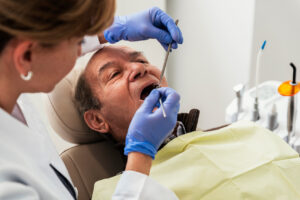
During an emergency dental appointment, the dentist’s first goal is to understand the cause of pain or injury. The visit may include:
- Reviewing your symptoms
- Checking the painful tooth or injured area
- Taking digital X-rays if needed
- Testing tooth sensitivity
- Checking for swelling, infection, cracks, or bite pressure
- Discussing treatment options
- Providing pain relief or urgent treatment when possible
Depending on the problem, treatment may include a filling, crown repair, tooth extraction, root canal therapy, drainage of an infection, a temporary restoration, smoothing a broken edge, or planning follow-up care.
The goal is not only to reduce pain but also to protect your long-term oral health.
How to Prevent Dental Emergencies
Not every emergency can be prevented, but many can be reduced with consistent dental care and good daily habits.
Helpful prevention steps include:
- Visit the dentist regularly for exams and cleanings.
- Treat small cavities before they become painful.
- Wear a mouthguard during sports.
- Wear a nightguard if you grind your teeth.
- Avoid chewing ice, pens, hard candy, or very hard foods.
- Brush twice daily with fluoride toothpaste.
- Clean between teeth every day.
- Do not ignore bleeding gums, swelling, or tooth sensitivity.
- Replace loose or damaged dental work early.
Prevention is usually simpler, more comfortable, and more affordable than emergency treatment.
Why Choose Broadway Family Dentistry & Implants for Urgent Dental Care in Denver?
When dental pain happens, patients need clear answers and compassionate care. We offer family dental care in Denver, including general dentistry, cosmetic dentistry, pediatric dentistry, dental implants, veneers, teeth whitening, laser dentistry, orthodontic care, and emergency appointment options.
Whether you have sudden tooth pain, a cracked tooth, swelling, or a damaged restoration, the right dental team can help you understand the issue and choose the best next step.
Final Thoughts
Dental emergency can feel stressful, but quick action makes a difference. Severe tooth pain, swelling, bleeding, infection, cracked teeth, and knocked-out teeth should never be ignored. If something feels wrong, call a dentist and describe your symptoms clearly.
Broadway Family Dentists offers same-day and emergency appointments to help protect your smile when urgent care is needed.
FAQs
Is severe tooth pain a dental emergency?
Yes, severe tooth pain can be a dental emergency, especially if it does not improve, worsens, disrupts sleep, or is accompanied by swelling, fever, or a bad taste in the mouth.
Should I go to the dentist or ER for tooth pain?
A dentist should evaluate most tooth pain. Go to the ER first if you have trouble breathing, trouble swallowing, uncontrolled bleeding, severe facial trauma, or major swelling with fever.
Can a knocked-out tooth be saved?
Sometimes, yes. A knocked-out adult tooth has the best chance when it is kept moist and treated quickly by a dentist.
What should I do if my crown falls off?
Avoid chewing on that side and call a dentist. Do not use household glue. A dentist can check whether the crown can be re-cemented or whether the tooth needs new treatment.
Can antibiotics cure a dental abscess?
Antibiotics may help in some cases, but they usually do not remove the source of the infection. A dental abscess often needs professional dental treatment such as drainage, root canal therapy, or extraction.