








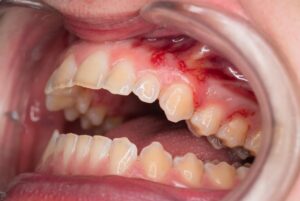


Teeth extraction always causes some discomfort. Mild pain feels normal. The swelling and tenderness improve within a few days. But what should we do if the pain is acute and sore? But what if it get to your ear or your jaw and hurts you even more? Such pain can be an indication of something more.
Dry socket or Alveolar Osteitis is an aching but manageable problem. It develops when the protective blood clot dislodges prematurely. This opens up the bone and the nerves within the socket. The exposed skin is swollen and highly sensitive. The pain may be so severe and scary, yet the dentists treat it. This is a complete guide to dry socket, including treatment and recovery.
Appearance and Sensation of Dry Socket?
Dry socket treatment is extremely different from regular healing. The agony does not gradually get better. On the contrary, it strengthens after a couple of days. A lot of individuals are concerned due to the fact that the pain appears to be abrupt and severe. Being aware of the signs helps to remain calm and act the right way at the right time.
Symptoms of Dry Socket
Dry socket treatment normally begins 2-5 days after tooth extraction. The pain is sharp, deep and constant. It can be applied to your ear, eye or neck on the same side. Painkiller is not effective in relieving this pain.
A white or yellowish bone is also visible in the socket. The region appears vacuolar as opposed to dark with a healthy clot of blood. You can also have a nasty taste in your mouth. Halitosis or bad breath is also widespread. These are obvious indications of delayed healing.
How Pain Feels Different
Normal healing is associated with mild to moderate soreness. The pain gets better with every passing day. In a dry socket, the pain is suddenly aggravated. It can either wake you up at night or it can cause difficulty in eating and talking. The bare bones cause the region to be very sensitive to air and food.
Treatment of Dry Socket in Professionals and What to Expect?
The pain of dry socket treatment is overwhelming. The bad news is that dental treatment is very quick to relieve. Majority of patients improve on the same day. Your dentist aims at relieving pain and initiate healthy healing within the socket. After healing, some patients explore Denver Dental Implants to restore missing teeth.
Immediate Clinical Relief
Dentists start by soft cleaning the area. This action eliminates food and bacteria that can cause irritation. This is why dentist plays a key role in the dry socket treatment. You should prioritize the dental treatment over other remedies.
Irrigation
The dentist hoses the socket with saline solution with medicine. This cleaning debrides and removes the risk of infection. You can be pressured but the cleaning relieves pain soon. Implants and Veneers help to replace or enhance teeth after dry socket treatment.
Medicated Dressings
Once the dentist cleans, he or she places a soothing dressing on socket. The most common ones are eugenol (clove oil) paste or Alvogyl. These substances relax bare nerve and decrease inflammation. Most of the patients experience immediate pain relief upon placement. The dressing can also remain for several days. It might need to be replaced by your dentist.
Advanced 2026 Therapies
The new dentistry is now concerned with quicker and more natural healing. New methods help to reduce recovery time and dry socket pain.
PRF (Platelet Rich Fibrin)
PRF involves a small sample of your personal blood. The dentist rotates it in a special machine to isolate healing components. The platelet rich fibrin helps to produce a natural plug. The dentist inserts the plug into the empty socket.
PRF helps to preserve bare bone and promote tissue regeneration. Platelet Rich Fibrin helps to reduce inflammation and enhance the healing process. Since it is produced by your own body, it is natural, safe and biocompatible.
Laser Therapy (PBMT)
Low level laser light is utilized in photobiomodulation therapy. The laser helps to reduce inflammation and enhance blood circulation. It also helps to activate the cellular growth in the damaged part. This is a painless and fast treatment. Laser procedures have been noted to reduce the swelling and speed the recovery in many patients.
Daily Report on Dry Socket Treatment Recovery
When you are in pain, healing is slow. The upside is that recovery usually improves quickly when they are well cared for. Most patients feel relief within the first 24 hours. The following are the things you can expect after dry socket treatment.
Day 1 After Dry Socket Treatment
The pain tends to reduce rapidly following professional medical attention. A significant portion of those feel relieved 50 to 80% during the same day. The dressing is medicated and it covers the exposed nerves. Consuming soft food is facilitated. This is not to say that you will stop experiencing some soreness, but the acute throbbing pain will be greatly reduced.
Days 2 to 3 in Which Early Healing Begins
A new tissue begins to develop in the socket of your body. It is soft red tissue referred to as granulation tissue. It gradually envelops the bones that are exposed. The level of discomfort gets better every day. It is also at this stage that swelling fades.
Days 7 to 10 Stronger Closure
At the end of the first week, the socket is usually open enough for normal functioning. Patients majority resumed their normal eating habits. It might not be completely pain-free, yet the pain must have disappeared. The process of healing takes place over a few more weeks under the surface. You can explore cosmetic dentistry once your socket heals. It helps to restore your smile.
When Can I Smoke?
Smoking is considered one of the most significant risk factors for dry socket treatment. Nicotine decreases blood circulation and retards healing. The forming clot can also be loosened by suction caused by smoking.
Most dentists advise patients to wait at least 72 hours after extraction. Nonetheless, to heal safely, it is highly recommended to wait 7 days. The more time you do not smoke nicotine and suction, the more you are at risk of complications.
At Home Relief and Self-Care Guidelines
Learn simple tips from General Dentistry to protect your healing socket at home. Dry socket treatment requires professional intervention through self-management. Moderate ways are significant. Pay attention to the pain management, cautious rinsing and safe food. Minor activities help to heal your body.
Pain Management at Home
Dentists usually recommend the combination of ibuprofen and acetaminophen. Others refer to this as the NSAID cocktail. This combination when properly used as prescribed by your doctor. It helps to control inflammation and prevent pain.
Do not take more than the recommended amount and also avoid self medication. Do not confuse with other pain drugs without the consent of your dentist. An alarm to ensure that you do not forget to take doses. Regular timing is used to maintain steady pain rather than allow it to spike.
The Saltwater Rinse Technique
The salt water at 37 C helps to maintain the space clean and relieves irritation. Take a glass of lukewarm water and add one teaspoon of salt in it. Take a little bite and hold it firmly over the injured side. Use the tilt and drain method. Turn your head to let the water drip slowly. Do not spit forcefully. Vigorous spitting can disrupt tissue and delay healing. Repeat gently after meals.
Dietary Safe Zone
Select cool and soft foods during the recovery process. These are solutions to the socket pressure:
- Applesauce
- Greek yogurt
- Lukewarm pureed soups
- Mashed potatoes
- Smoothies (do not use a straw to eat but use a spoon)
- Scrambled eggs
Avoid crunchy, spicy or really hot food. It is advisable to avoid straws because suction predisposes one to dry socket. Light eating helps in slow healing.
Conclusion
The dry socket is painful and stressful. The aching pain is terrifying. However, do not forget that it is curable and temporary. Teeth can heal very quickly with proper care. Modern dental treatment helps in rapid healing.
Consult a professional if severe pain persists. Treatment is always better when it is done early. An established clinic such as Broadway Family Dentist helps to take you through the recovery process in a painless and stress-free manner. The thing is, you should always feel comfortable and get well.
Frequently Asked Questions (FAQ) For Dry Socket
What is the average duration of the dry socket pain?
The pain of a dry socket may persist for several days without treatment. Dry socket pain usually improves within a day with proper tooth care. It could take between one and two weeks to heal completely. Treatment at an early stage reduces the recovery duration.
Is it possible for food to become trapped in a dry socket?
Yes, there is a possibility of food particles accumulation in the open socket. This accumulation causes suffering and aggravation. Light rinsing with salt water prevents the area from becoming dirty. A special syringe can also be used by your dentist when cleaning your teeth.
Is there any swelling that is induced by dry socket?
In the case of dry socket, the primary problem is pain. Some cases experience mild swelling which is not severe. Much swelling can be an indication of infection. See your dentist if swelling increases.
Does a cure exist for dry socket using antibiotics?
This is because antibiotics do not cure the dry socket. The ailment is caused by a loss of blood clotting and not bacteria. Dentists pay attention to cleaning the area and the use of medicated dressings. Antibiotics are essential for infections during dry socket treatment.
What will help me to avoid the occurrence of dry socket following extraction?
Do not spit forcefully and avoid smoking. You should follow your dentist’s instructions for dry socket aftercare. Consume soft food and maintain the surroundings clean. Habits that help a lot to reduce your risk.