


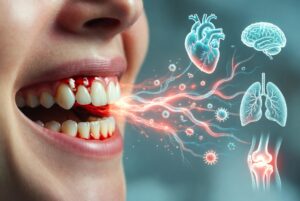




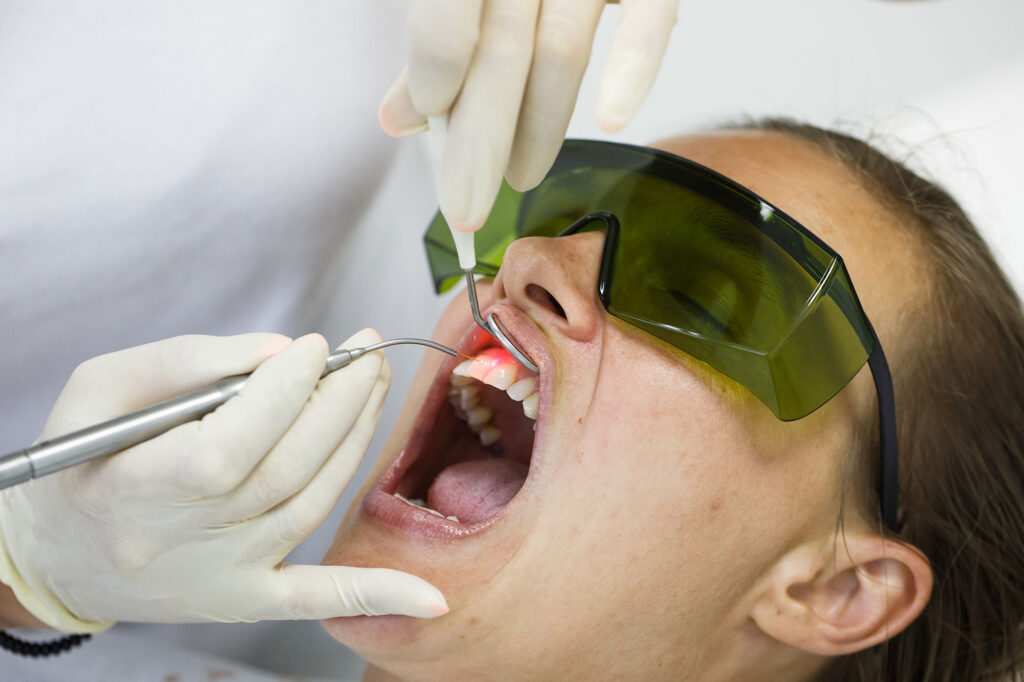
Gum diseases including periodontitis and gingivitis are frequent oral diseases, which may cause pain, bleeding and even loss of teeth unless managed. Conventional interventions typically involve deep cleaning, scaling and, in extreme cases, conventional gum surgery.
Laser surgery of gums is a modern and effective gum disease treatment in recent years. This is a method that involves specific laser technology in order to excise infected tissue, eliminate bacteria, and promote quick healing with minimal pain.
Laser gum surgery has been performed on many patients since it is less invasive, has less bleeding, and minimizes recovery time than traditional methods. Laser treatment is changing the management of gum disease and enabling patients to have healthy smiles with its accuracy and safety.
What Is Laser Surgery for Gums
Laser gum surgery is a contemporary dental operation that involves the use of laser beams to cut away diseased gum tissue and reach bacteria in the gums with the help of a laser beam. Laser treatment is less invasive as opposed to traditional gum surgery where a scalpel is used to cut and the gum is sutured resulting in uncomfortable treatment.
This process enables the dentists to cure only the infected parts in the most precise way in order to save healthy tissue and ensure quicker recovery. Laser surgery on gums is painless, efficient and gaining popularity among patients who want to have safe and painless gum surgery.
Advantages of Laser Gum Surgery
- Less bleeding as well as pain. Although laser treatment is less painful than traditional gum surgery, it is less painful when executed and after.
- Shortened recovery periods. Patients normally recover faster and thus are able to resume normal work sooner.
- Less risk of infection. The laser will sterilize the part and decrease the risk of infections after surgery.
- Targeted therapy at the diseased tissue. Laser technology applies to the diseased areas of the gums only, leaving the healthy tissue intact and enhancing the overall results of the treatment process.
Such advantages turn laser gum surgery into a secure and efficient treatment of gum disease and a factor to a painless recovery of laser gum surgery.
How Laser Gum Surgery Works
Laser gum surgery is an effective and accurate procedure which is minimally invasive and directs itself to the diseased gum tissue and bacteria. This normally starts with a close-up dental checkup and cleaning of the affected part. Your dentist can use a local anesthetic in order to be comfortable during the process.
The procedure involved during the surgery involves the removal of infected tissues and the reduction of bacteria, all with the help of a concentrated laser to shape the gums. This enables the healthy tissue to stay intact and also heals at a faster rate than the traditional methodology.
Lasers that are applied in gum surgery are of various types; some are diode lasers and others are CO2 lasers. The choice of each type is determined by the needs of the patient and the level of gum disease.
The application of lasers offers superior control and accuracy, which promotes bleeding and limits discomfort. Such a complex visual image or infographic would be useful to explain to the patients how lasers can only be applied to the areas of the problem and this makes the process much safer and more efficient.
When using laser surgery on gums, the patients are likely to enjoy a more modern cure, which is effective, painless and promotes faster healing besides enhancing the overall well being of the gums.
Cost of Laser Gum Surgery
The price of laser gum surgery is influenced by the gum disease severity, the clinic as well as location. It has been found to be greater than conventional gum surgery, but it might be worth it because it heals faster and with less pain. Part of the procedure might be included in some insurance plans and therefore it is best to consult with your provider.
Recovery After Laser Gum Surgery
Laser gum surgery also has a quicker recovery time than normal gum surgery and most patients recover within a few days to a week. Good oral hygiene, a soft food diet, and taking of any prescribed medication to relieve discomfort and prevent infection are important during this period. Use of ice packs and not doing heavy work might help to decrease swelling.
To find more information on caring for healthy gums and teeth, refer to similar issues such as General Dentistry and Laser Dentistry, which offer advice to care for teeth and gums after surgery and the general health of teeth and gums.
Who Is a Candidate for Laser Gum Surgery
Patients with gum disease, receding gums, or deep periodontal pockets are appropriate for laser gum surgery. Ideal candidates are candidates seeking a less invasive procedure that will heal more quickly with less pain.
Conventional gum surgery can still be advised, e.g., when a large amount of tissue has to be removed or a bone graft is to be performed. To find additional information on related dental care, visit such topics as Denver Dental Implants and Cosmetic Dentistry to know what to do to treat and provide healthy gums.
Risks and Considerations
Laser gum surgery is usually not reactionary, however, potential side effects include slight pain, swelling, or momentary tenderness. It is necessary to select a skilled dental practitioner so that the process can proceed properly. Good oral health and frequent check-ups are fundamental to healthy gums in the long run.
Conclusion
The advantages of laser gum surgery are numerous in that there is less bleeding, less time taken to heal and the affected part of the gum is accurately treated. Although safe in general, it is also necessary to pay attention to possible risks and make a choice in favor of a competent dental specialist. Broadway Family Dentist is inviting you to talk to your dentist to determine whether gum surgery using the laser is the right thing to do to you. Consultation can be made today to discuss the most suitable laser gum treatment to suit your mouth health.
FAQs
Is laser gum surgery painful?
Patients undergoing laser gum surgery feel the least amount of pain during and after. It is less invasive and uses local anesthesia as compared to traditional gum surgery.
How much time does it commonly take to recover?
Laser gum surgery heals quickly and most patients recover within a few days or in a week. It is possible to follow the tips of post-operative care to guarantee an easy recovery in the post-operative period of laser gum surgery.
Can my insurance help pay for laser gum surgery?
Depending on your insurance plan, it is covered. Certain plans can include some portion of laser surgery on the gums, particularly when it is medically required to treat gum disease. It is important to confirm with your provider the time to get the procedure done.