


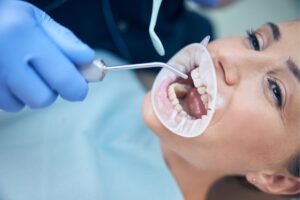


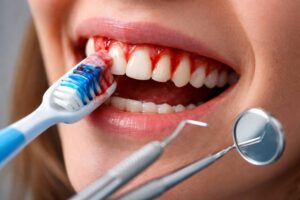
Teeth whitening is one of the most common cosmetic dental procedures that most individuals opt to enhance their smile and improve the overall quality of their oral care. However, not everybody can undergo the same procedure without facing some problems. For instance, individuals with sensitive teeth face some issues while choosing to have any cosmetic dentistry procedure. Therefore, teeth whitening for sensitive teeth requires additional precautions and care to make individuals feel comfortable.
Why Teeth Become Sensitive and How It Affects Whitening
People have to learn about the causes of tooth sensitivity to avoid further complications and choose the optimal way of teeth whitening for sensitive teeth. In addition, this knowledge will prevent further irritation.
Sensitivity is a common phenomenon that might even change the structure of the teeth. It means that one will have to select the appropriate method to get rid of stains and improve their smile, since whitening processes can affect sensitive teeth differently.
The Role of Enamel and Dentin Exposure
Tooth enamel protects the inner parts of the teeth from harmful influences. Once it wears off, people might see dentin, which is much more delicate because it contains microscopic tubes leading to nerves in one’s teeth. Consequently, the presence of irritants may cause severe pain in those situations.
On the other hand, teeth whitening products can penetrate the enamel to remove stains from it. Hence, the procedure of teeth whitening for sensitive teeth can be painful and uncomfortable. Individuals will have to find some ways to cope with such problems successfully, regardless of the already existing teeth whitening methods.
Common Causes Behind Increased Sensitivity
There are several reasons why one might experience higher levels of sensitivity. For example, aggressive brushing of the teeth leads to wearing off the enamel and increasing the number of microtubules. Apart from that, acidic foods cause the same issue. Other factors that influence teeth negatively include gum disease, teeth grinding, and frequent procedures for teeth whitening for sensitive teeth.
Determining these reasons will help a person identify some ways to improve oral health and prepare teeth for the chosen procedure. Individuals having dental procedures done, such as implants and veneers, and who decide to go for teeth whitening for sensitive teeth also face these problems.
Safe Whitening Options for Sensitive Teeth
Teeth whitening for sensitive teeth implies the application of the appropriate approaches, which help people achieve positive results without feeling pain. Learning about possible teeth whitening for sensitive teeth will enable individuals to make proper decisions when selecting treatments. Below are discussed some methods for teeth whitening for sensitive teeth that can help people with tooth sensitivity get the desired results.
Using Low Concentration Whitening Products
Low-concentration products are good for teeth whitening for sensitive teeth. The action of these low-concentration products is much gentler, which prevents the development of irritation. As a result, individuals will see the expected effect of their efforts slowly but surely. Gradually whitened teeth adapt to the applied chemicals, which significantly decreases the risk of feeling pain and helps with teeth whitening for sensitive teeth.
Incorporating Desensitizing Toothpaste
People often neglect the importance of desensitizing toothpaste, which helps improve teeth whitening for sensitive teeth. Such products contain compounds that block tubes leading to nerve endings and reduce sensitivity gradually. Applying the described remedies daily will help with teeth whitening for sensitive teeth and make the individual more tolerant of it.
Considering Professional Supervision
Dental professionals are always ready to help people who have serious concerns, such as teeth whitening for sensitive teeth. They examine a patient’s condition and offer a variety of teeth whitening products that reduce the risk of adverse reactions. Professional supervision enables individuals to use more effective products since they do not cause additional discomfort to their teeth.
Preparing Teeth for a Comfortable Whitening Experience
Preparing sensitive teeth for teeth whitening is essential to prevent the development of additional problems and ensure proper whitening. One has to follow proper instructions to get the desired results. Here are discussed some of the ways to prepare one’s teeth for whitening and avoid further complications.
Strengthening Enamel Through Daily Care
Strong tooth enamel means reduced sensitivity. Therefore, one should focus on brushing their teeth regularly and applying fluoride toothpaste for teeth whitening and reducing tooth sensitivity. The developed routine will help individuals to get healthier teeth and protect themselves against additional risks. Regular dental hygiene is important for orthodontic care and teeth whitening for sensitive teeth.
Avoiding Triggers That Increase Sensitivity
People can reduce enamel sensitivity by limiting their consumption of acidic foods. Also, they will have to stop grinding their teeth to reduce the amount of irritants. Using a soft toothbrush and being less aggressive when brushing the teeth is helpful in oral cleaning. These actions will positively affect a patient’s oral health and enable them to have general dentistry treatment procedures for teeth whitening for sensitive teeth.
Timing Whitening Treatments Carefully
To prevent excessive pain due to sensitivity, one has to follow their dental schedule and whiten their teeth according to it. Following a routine for teeth whitening for sensitive teeth once every two days will significantly help in terms of teeth whitening.
Managing Sensitivity During the Whitening Process
When one feels uncomfortable while teeth whitening for sensitive teeth, they should decrease the intensity of the procedure. Reducing the number of procedures (how often one has the whitening procedure) will be helpful since it allows people to avoid unnecessary pain. One can try teeth whitening for sensitive teeth with a reduced frequency.
People should rinse their mouths with lukewarm water to help with tooth sensitivity. At the same time, they will have to avoid extremely hot and cold foods to prevent tooth sensitivity.
Maintaining Results Without Increasing Sensitivity
Teeth can be kept white without feeling too much discomfort. The following recommendations will help individuals with teeth whitening for sensitive teeth to enjoy their healthy dental health for many years. The described options will help patients preserve their results safely.
Adopting Gentle Oral Hygiene Practices
Individuals should use nonabrasive toothpaste to avoid damage to the enamel. Besides, they have to brush their teeth using a soft toothbrush since hard ones harm teeth. Gentle brushing routines help to maintain whitening results for sensitive teeth.
Being Mindful of Staining Foods and Drinks
People should be cautious regarding their food to prevent tooth stains. They will have to avoid eating foods and drinks that cause such stains to develop quickly. However, individuals will need to rinse their mouths after consuming such items to help with teeth whitening for sensitive teeth.
Scheduling Regular Dental Checkups
One should visit a dental clinic routinely to control their oral health and condition. Specialists will examine one’s teeth and provide the required services that help keep them white for a long time. This will help people avoid frequent whitening procedures that can enhance their tooth sensitivity.
Conclusion
Sensitive teeth require special treatment when one wants to whiten their teeth. People have to identify the problem, understand its root causes, and choose appropriate treatment options that would help them to achieve positive results without unnecessary pain. There are different ways for teeth whitening for sensitive teeth that can be opted for depending on the dental structure and condition. You can also consult a professional for this purpose. Moreover, visiting Broadway Family Dentists can also be considered.