






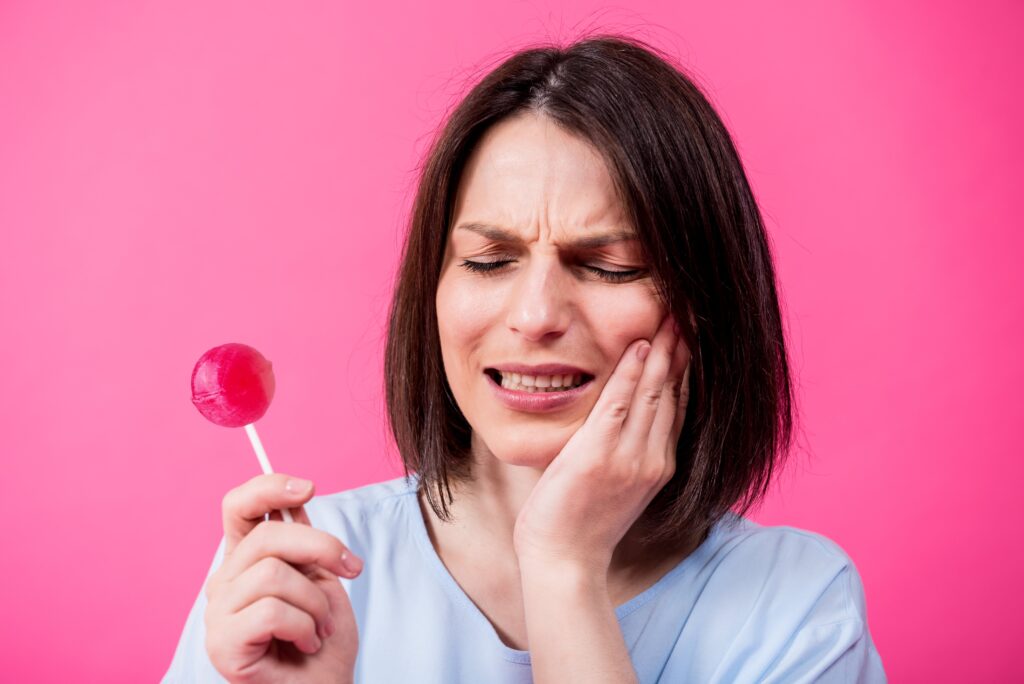
Eating sugary foods brings pleasure and comfort. It plays a part to improve mood and lower stress. However, sugar has no beneficial impact on oral health. There is a lot of research that studies the link between sugar consumption and tooth decay. Although eating sugary foods occasionally can be harmless, continuous exposure can slowly erode your teeth in ways that you cannot see immediately, i.e., it causes long-term dental issues. Knowing how sugar affects your mouth can help you make the right choices and decisions about your long-term dental health. In this article, we have explained to you the link between sugar consumption and tooth decay. I explain how they impact each other and how to prevent long-term damage.
The Hidden Chemistry Behind Tooth Decay
Sugar consumption and tooth decay are closely linked to one another. Sugar itself does not cause tooth decay, but when combined with the bacteria that are naturally alive in your mouth, sugar becomes a problem. The bacteria take sugar and produce acid as they digest it. Over time, this acid will erode the enamel and cause the tooth to decay.
This process happens over a long period of time, but at a consistent rate. Every time you eat sugar, there is an increase in acid production and additional erosion of your teeth. If you don’t take care of your teeth, over time, this process will lead to the formation of cavities.
How Oral Bacteria Turn Sugar into Acid
There are millions of bacteria living in your mouth, some helpful but many harmful. Their population will flourish and grow when sugary foods or beverages are eaten or consumed. These bacteria break down the sugar and produce acid, which adheres to the surface of your teeth.
By producing acid, these bacteria create an atmosphere that permits the enamel of your tooth to lose even more vital minerals and weaken the structure of your tooth by forming small, non-durable spots. Non-durable spots can become cavities if not addressed and repaired, a typical indication of an adverse effect of sugar consumption and tooth decay.
When the damage is too significant to be repaired by restorative treatment such as dental bonding or a filling, dental implants or the combination of dental implants and veneers may also be used to rebuild the tooth.
The Role of Frequency in Sugar Consumption
Sugar consumption and tooth decay depend on the frequency of sugar consumption, in addition to how much you consume. It plays a key role in the development of dental caries or tooth decay. When you eat or drink sugar many times throughout the day by snacking or sipping soda, the mouth is kept in a continual acidic state, thus not permitting enough time for dental enamel to recover and repair.
When sugar is consumed less frequently, saliva and other chemical components can neutralize these acids and return minerals to the teeth, whereas the constant consumption of sugar produces a disturbance in this balance and contributes to the accelerated decay of the tooth structure.
Why Snacking Habits Matter More Than You Think
Brushing your teeth can help with your sugar consumption and tooth decay. However, just brushing once or twice a day may not be enough to prevent damage caused by consistently eating sweets. As many times you snack on sweets, it causes a new acid attack in the mouth.
Eating meals in a structured manner rather than snacking frequently allows the saliva in your mouth to come back to its balanced state over time, which will help maintain the integrity of your teeth’s enamel and support other forms of dental treatment, such as teeth whitening treatments, which require healthy tooth surfaces to be performed successfully.
The Impact of Different Types of Sugars
Sugar consumption and tooth decay are as interlinked as a healthy diet and a healthy body. Sugars have differing impacts when it comes to oral health. The following are different forms of sugar that can impact dental health.
- Candies: Sticky candy and processed sugars will stay on the tooth surface longer than other forms of sugar and will feed bacteria longer, causing more acid to be produced in the mouth.
- Baked Sugars: Candy, baked goods, and other foods will usually sit on the tooth surface for an extended period, which creates a better environment for bacteria to grow and develop.
- Liquid sugars: Sodas and juices will have a greater effect on your teeth if you consume them slowly over a longer period. As you sip on these drinks, they coat your teeth and expose them to acid for longer periods of time, which increases the likelihood of producing acid.
Natural Versus Added Sugars in Oral Health
Sugars are also present in fruit, which contains water and fiber, the naturally occurring sugars in fruits typically are less damaging to oral health than the added sugars found in processed food. The processed sugars usually lack these additional elements of teeth protection.
Regardless of your sugar source, overeating any type of sugar still increases your risk of developing cavities. Following a moderate intake of sugar is essential.
In today’s modern practice, early tooth decay can be treated with accuracy and comfort using modern techniques such as laser dentistry.
Preventive Measures to Protect Your Teeth
To keep your teeth healthy, reducing the risk of sugar consumption and tooth decay, you should combine a healthy diet, including eating less sugar, with the best dental care possible, i.e., brushing twice daily, visiting your dentist regularly, etc., to give your teeth the best chance of being healthy.
- Use of Fluoride Toothpaste: When you brush your teeth with fluoride-containing toothpaste, you help to keep the enamel (the outer layer of the tooth) strong, as well as help you get rid of the plaque from the surface of your teeth.
- Flossing Technique: Flossing will reach places on your teeth where a brush cannot because they are the tiny gaps between your teeth. It helps prevent bacteria from building up in those tiny gaps.
- Water Intake: Drinking water after meals may help rinse away the sugar in the food you eat and neutralise the acids created by bacteria.
Building Habits That Support Long-Term Dental Health
Having healthy teeth requires certain behaviors that are built over many years. These healthy lifestyle behaviors may include making changes to your diet by having healthier snacks instead of candy, limiting your intake of sugary drinks, and making regular appointments to visit your dentist for checkups. Orthodontic care also assists in improving oral hygiene by improving the ease of cleaning your teeth. Continuously practicing these small daily tasks will help prevent major problems for your teeth in the long run. Additionally, you will have fewer needs for any cosmetic dentistry procedures.
Conclusion
Sugar consumption and tooth decay are interlinked. You can say they are in an adjacent cause-and-effect relationship. Consumption of one becomes an outcome and vice versa. Sugar affects the teeth by causing dental decay via bacterial acids and bacterial decay. It provides such an environment for the bacteria to flourish. Understanding the process and causes of dental decay helps you to take preventive measures and make appropriate dental choices. It helps to build healthy dental hygiene that supports the teeth and gums in the long run. You can also get a professional consultation regarding sugar consumption and tooth decay. For this purpose, you can visit Broadway Family Dentists.