






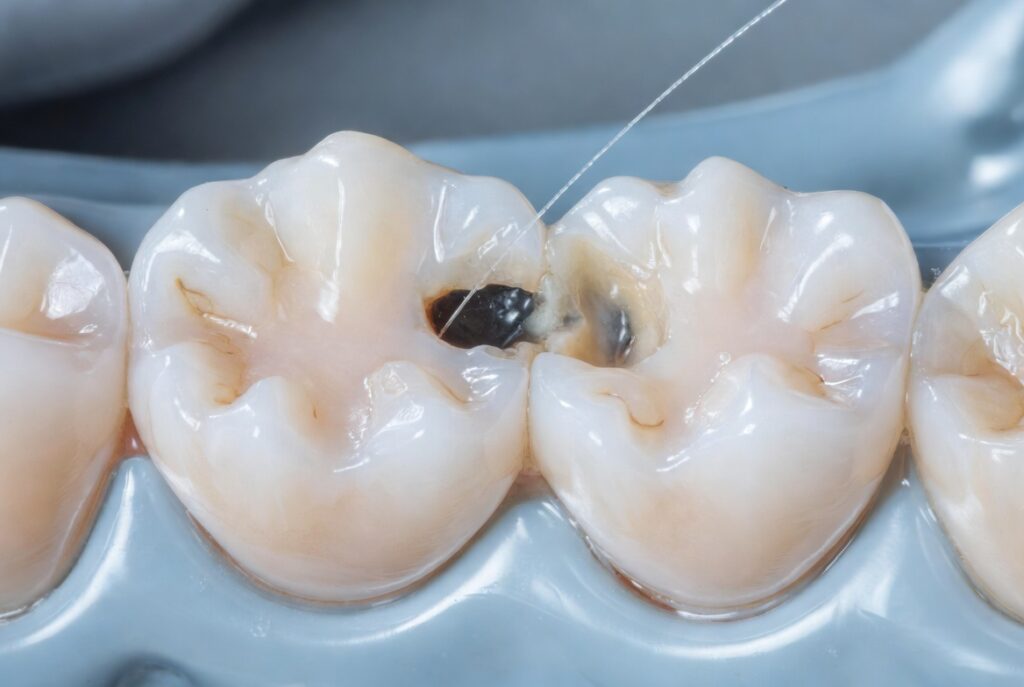
Dental problems can easily start small and rapidly develop. Often, people do not notice early signs until they feel pain. An interproximal cavity between teeth may not show and end up as a serious dental problem later. This blog will cover easy to understand symptoms, causes, treatment and how to prevent it. The aim is to educate you to be alert and take good care of your teeth.
Why Cavity Between Teeth So Often
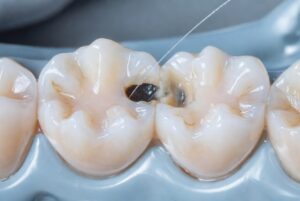
Food and plaque can get stuck between teeth, where they can cause a cavity. These areas might not be reached by brushing. Bacterial buildup creates acid and erodes the enamel. This problem affects both young and adults. It can occur gradually and without initial pain. Good treatment and care minimise risk and promote good health.
Early Signs You Should Never Ignore
When people have cavities, they often wonder, what does a cavity feel like? The symptoms usually remain mild. You may have a bit of pain or be sensitive.
It may be painful to eat cold or sweet food. Others have a jagged edge on the tooth. Or food may stick in their teeth. This could be early tooth decay. General dentistry care checkups can be used to catch problems early.
Do Cavities Hurt and When Pain Starts
Many people wonder, Do cavities hurt? It all depends on the extent of the decay. They may not even be painful at first. Proper care can help to prevent serious tooth decay and tooth infection. Pain does not remain the same, it can increase or decrease according to the condition of decay.
Pain Increases as Decay Spreads Deeper
The cavity grows larger and spreads deeper into the tooth. This will cause pain or discomfort. You will have problems with chewing. If left untreated, it results in damage. Early treatment will avoid more complex treatments, such as Denver Dental Implants, in the future.
What Happens During a Dental Filling Procedure
Most people are concerned and ask, does getting a cavity filled hurt? Today, dentistry is about speedy care with minimal discomfort. Modern dental treatments can help to treat cavities without discomfort.
Simple Steps That Restore Your Tooth
The dentists can take out the decay and the infected root. They will fill the hole with a dental filling. This might cause some pressure but not pain. This will end the decay and allow better tooth function. Sometimes, cosmetic dentistry treatments enhance function and appearance after the treatment.
Best Products to Help Prevent Cavities
Oral care products are important for prevention. The right products can promote good oral health. You should know an appropriate solution to effectively treat your dental problems. The following are some dental products and their benefits.
| Product Type | Benefit |
| Cavity Toothpaste | Remineralises teeth and kills bacteria |
| Mouthwash | Removes food and plaque from between teeth |
| Dental Floss | Cleans out food and plaque |
Some people use teeth whitening products but need to focus on cavity prevention. It is better to have healthy teeth than great looking ones. The best mouthwash for cavities help to clean plaque from between teeth and hard to reach areas.
How to Clean Between Teeth the Right Way
For cleaning between teeth, you need more than normal brushing. This requires unique techniques, tools and practices. Daily habits and lifestyle can affect your brushing. You should avoid bad and unhealthy habits for an attractive smile.
Daily Habits That Make a Real Difference
Clean between teeth once a day to remove food particles and plaque. Use a soft brush to clean in gum areas. Use mouthwash to clean your mouth. Many patients find visits with laser dentistry as this allows the visit to be more thorough.
Risk Factors That Increase Tooth Decay
Some factors can increase cavity risk. Being aware of these can help you to be prepared. Some common risk factors are as follows:
- Frequent sugar intake
- Poor brushing habits
- Dry mouth condition
- Skipping dental visits
There is a greater risk for people with braces because of food retention. Orthodontic care help to provide solutions to avoid these issues and maintain good dental hygiene.
When to Visit a Dentist for Treatment
Frequent visits to the dentist can prevent cavities. Delaying treatment results in more complicated treatments and greater expenses. See a dentist if you are experiencing persistent pain. Look out for brown or black patches or holes between teeth.
Decay is also indicated by bad breath. Early intervention is time and money saving. It also help to prevent further complications and the need for later treatments such as implants and veneers.
Strengthen Protection Against Interdental Cavities
Drinking sufficient water is important for good oral health. Saliva help to clean out food and neutralise acid that erodes tooth enamel. A dry mouth allows bacteria to grow more readily between teeth. Avoiding excessive consumption of beverages such as coffee help to keep the mouth healthy. Sugar free gum help to promote saliva flow and the tooth cleaning process.
Adjust Eating Habits for Better Tooth Safety
Acids attack teeth more when there are more opportunities for snacking. Rather than snacking on sugary and sticky foods, have them during meals. Fruits and vegetables like apples and carrots that are high in fibre help to clean your teeth. Eating fewer refined carbs also reduces the amount of plaque found in interdental pockets.
Use Advanced Cleaning Techniques for Better Results
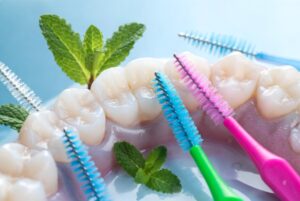
Using an interdental brush or water flosser can help. This is particularly effective for people with closely spaced teeth or who wear dental appliances. Oscillating electric toothbrushes are also more effective for removing plaque. Regular use of these tools minimises surface plaque and leads to stronger teeth.
Final Thoughts on Preventing Cavities Between Teeth
When a cavity occurs between teeth, it may seem small but can cause problems. Proper care help to maintain good oral hygiene. Brush, floss and use the right toothpaste. Consult with your dentist to diagnose and treat problems early. It is easy now to avoid pain later. Be diligent and follow expert dental advice from Broadway Family Dentists.