







Patients will be more at ease when they can see their smile on a screen during the dental checkup. When it comes to braces or aligner care, many families in the United States would like to see more transparency, better tools, and quicker responses. This blog will help you to understand 3D orthodontic scanning in simple terms. It includes information about how the scan is conducted, comfort, treatment planning, safety and every day uses. It also includes important terms that will assist readers in comprehending contemporary digital orthodontic treatment.
Why Digital Scans Shape Modern Smile Care
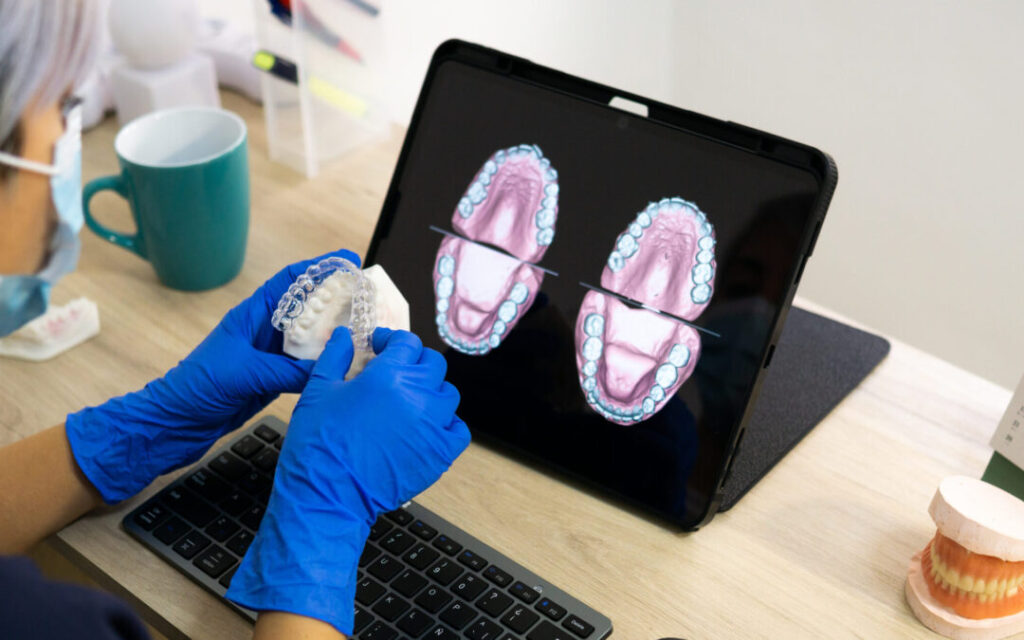
A 3D orthodontic scan alters the initial step of a lot of dental plans. It’s an alternative to the messy putty that’s used in many offices and provides a clear digital model. According to the Cleveland Clinic, a scanner is used to take intraoral pictures and a computer is used to put the pictures together to create a 3D model. This model is sent to a lab or used for custom devices by dentists. This digital orthodontic scan can be used for braces, aligners, retainers, crowns and guards.
What the Scan Captures Inside Your Mouth
3D orthodontic scanning captures the form of the teeth, gums and how they make contact. The scan provides the dentist with a detailed view of crowding, gaps, tooth wear and jaw fit. This perspective help to provide a clear care plan.
The wand records tooth surface
The dentist swirls around the small wand scanner around each tooth. The scanner captures numerous pictures from various angles. The software stitches those images to create one digital model. This will prevent patients from having trays of putty. Digital impressions can be more comfortable for those with a strong gag reflex, the Cleveland Clinic says.
The software builds a treatment map
With 3D orthodontic scanning, the dental team is provided with a model that displays the edges of the teeth, spaces and bite contact. The orthodontist looks at the model, photos and X-rays. According to the American Association of Orthodontists, digital scans can be used to build models and make custom appliances during the initial visit.
How Scans Guide Modern Orthodontic Care
The scan can be used for diagnosis, design and follow up. It will assist the dentist in comparing the mouth today with the smile planned. It also provides the information necessary for a close fit for labs.
Clear aligner planning
The 3D orthodontic scanning makes it easier to plan for clear aligners as the model displays the location of each tooth’s starting point. According to the AAO, orthodontists take X rays, photos and digital scans prior to creating a smile plan in aligner software. This plan indicates which tooth is going to move and the sequence in which it is going to move.
Braces retainers and records
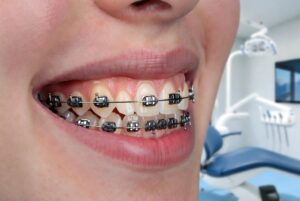
Another benefit of 3D Orthodontic Scanning is for braces records and retainers. Before treatment begins, the orthodontist examines the position of teeth and contact of the teeth with one another. The same scan can then be used to create a retainer for the new smile, after the braces. Orthodontic care is more convenient when the team can monitor small adjustments by keeping records.
Benefits for Patients and Dental Teams Today
The digital workflow provides for speed, comfort and clear views. It aids in patient care understanding as they can see their teeth on screen. It also assists dentists in communicating with the labs and outlines every step.
Cleaner visits with less stress
3D orthodontic scanning is used to help make a visit to the dentist more comfortable. Many patients don’t like the taste and feel of impression paste. A scanner maintains the visit cleaner as it utilizes a wand and software. Digital dental impressions are also used for crowns, guards, and even teeth whitening in general dentistry clinics.
Easier chairside communication
The screen allows the dentist to display the crowded teeth, gaps, bite problems and wear marks. Patients get a better understanding of care when they see the model. This visual talk will assist in making smart cosmetic dentistry and aligner choices. It also assists parents in understanding the treatment needs for teens.
Safety Accuracy and Smart Imaging Choices
Digital scans are not cone beam X rays, but rather optical images. Intraoral digital optical scans are not x ray radiation, but rather use visible light, as explained by the Health Physics Society. For each clinical question, dentists select a tool.
Surface scan and CBCT scan
3D orthodontic scanning examines the surface of the teeth and the soft tissue detail. CBCT scans provide deeper 3D images of teeth, jaws and surrounding areas. According to the FDA, dental CBCT provides valuable 3D information, but dentists are only using it when there is a clinical question to be addressed.
A good technique gives better detail
3D orthodontic scanning requires a dry field, a stable movement of the wand and clean tooth surfaces. The dentist identifies missing areas on the screen and rescans areas requiring additional detail. Technique and software updates have been shown to impact the accuracy of digital impressions and should be taken into account in recent research.
Implants need added image detail
While 3D orthodontic scanning is used to keep track of bite and space records for Denver Dental Implants which require bone checks. The team uses surface scans in addition to CBCT as necessary. This provides a general idea of the shape of the teeth, how well they fit together and the bone structure.
What Patients Experience During the Visit
For most people, a scan visit is a straightforward procedure. The team describes what they do, puts the wand into the mouth and observes the growth of the model on the screen. The patient remains relaxed and calm.
Simple steps during the scan
The first step of 3D orthodontic scanning is to have clean teeth and a dry mouth. The dental team controls moisture using air or cotton. The dentist examines the top teeth, bottom teeth and bite. Gaps, missing areas and details are shown on the screen.
After the digital scan
The dentist examines the model and discusses what to do next. The model is then placed into an aligner software, a lab file or a patient record. Patient is educated about the scan and why the plan is important. This will help to make the visit clear and less stressful.
Final Thoughts for Modern Digital Smile Care
With 3D orthodontic scanning, patients can experience a more streamlined and transparent journey in dental care. It assists dentists in creating better records for planning aligners, braces, retainers, crowns and trays. It also enables the patients to view their smile story on screen. A trained team, careful examination and appropriate imaging selection are all important for optimum results. Comfort, accuracy and trust are all enabled by 3D orthodontic scanning. To receive trusted digital smile care, visit Broadway Family Dentists.