


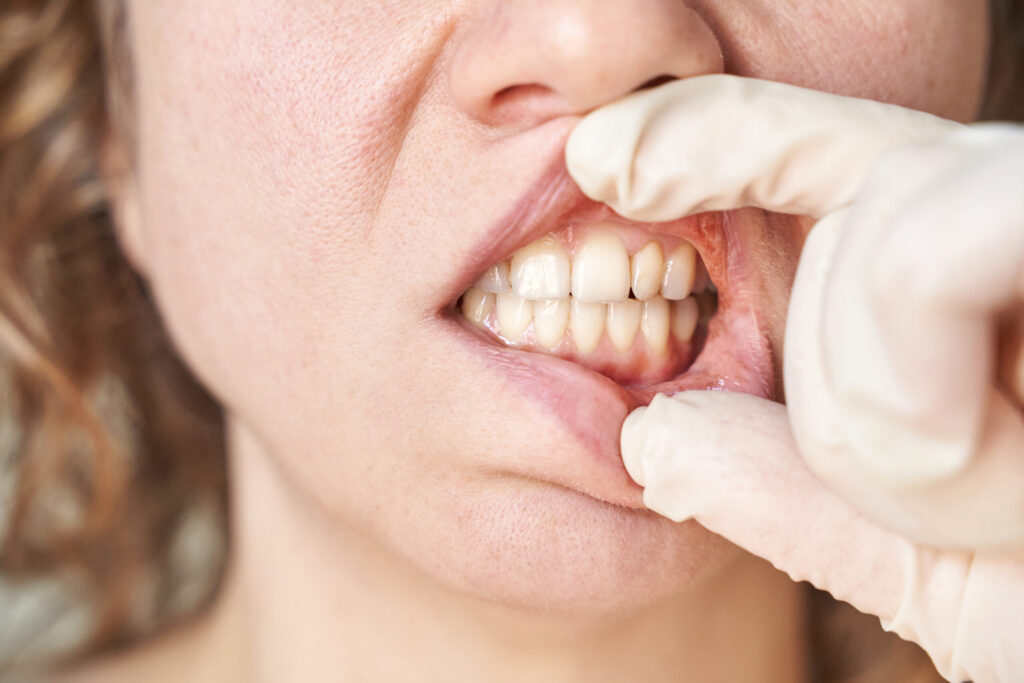
Gums surround each healthy smile, but sometimes they slip away without any warning. If a tooth looks longer or if it stings when you drink cold water, it’s likely that it needs care. The changes are often the first thing that people look for when considering receding gums treatment options. This blog will provide an understanding of five types of care that dentists are using today. It also demonstrates the benefits of each option for comfort, cleaner gums and protection of the tooth roots.
What Gum Recession Means for Your Smile Today
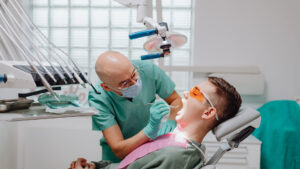
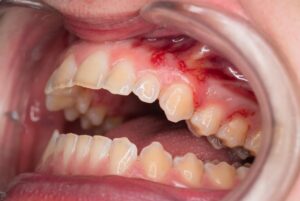
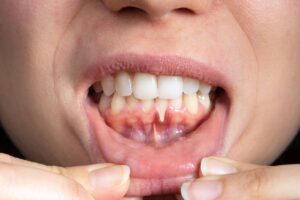
Gum recession is when the gums pull away from a tooth and expose a portion of the root. The root is not covered by a hard cap as is the crown. Can be sensitive to cold food and build up plaque more quickly. Options for receding gums treatment include the cause, the extent of gum recession and the condition of each tooth. These are all the things that a dentist will examine prior to any personal care plan starting for you.
1. Gentle Daily Care and Regular Gum Checks
If gum recession is mild, regular dental check-ups and regular home care are usually all that is required. The initial steps in receding gums treatment options are to use less force when brushing, a soft brush, and cleaning between the teeth daily and visiting to monitor any changes in the gum line.
How Gentle Care Helps Protect Your Gum Line
The dentist demonstrates the proper brushing technique and inspects for signs of plaque, grinding, tobacco use or tight lip pull. General dentistry visits also enable patients to discover a minor change before the pain begins. These receding gums treatment options are not regrowth treatments. They can help to prevent further damage and determine the next treatment option if recession persists or roots begin to cause pain.
2. Toothpaste and Fluoride for Sensitive Roots
During a recession, teeth may become sensitive when eating cold, sweet or hot foods as the cold, sweet or hot food touches the root area. These receding gums treatment options help to alleviate symptoms until a dentist can assess the cause of the gum recession and monitor the root for decay.
How Sensitivity Care Brings Daily Comfort
The dentist may recommend a toothpaste that contains potassium nitrate or stannous fluoride. With regular use, the product helps to reduce the sensitivity of the roots. Fluoride treatment in the office also provides protection of the root surfaces from decay. These receding gums treatment options do not shift gums. They make meals easier and help with care until the dentist determines if root coverage is right for you.
3. Deep Cleaning for Gum Disease and Pockets
A deep cleaning is directed at the cause when plaque and gum disease cause pockets around teeth. Scaling and root planing are among the receding gums treatment options that eliminate hardened buildup and plaque below the gum line and smooth root surfaces.
When Deep Cleaning Supports Your Healthy Gums
Before treatment, a dentist examines the pocket depth and swelling of the gums. Deep cleaning allows gums to reattach to cleaner roots and help to keep plaque under control. A dentist may talk about laser dentistry, but will make the decision based on the exam and condition of the gums. These receding gums treatment options help to control the disease, but cannot replace lost tissue. Follow up care help to monitor gum changes.
4. Dental Bonding for Visible Root Areas
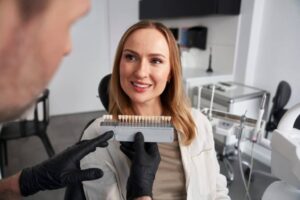
Exposed root surface may appear irregular and may be sensitive. Dental bonding is the application of a tooth colored resin over certain parts of the tooth’s root. When a dentist determines that bonding is a good treatment option for the tooth and bite, these receding gums treatment options will enhance comfort and appearance.
When Dental Bonding Creates a Smoother Smile
A dentist fills in the area of the root with resin and forms it to match the shape of the tooth. A longer looking tooth may be something that the patient is not comfortable with and cosmetic dentistry care can help them feel comfortable. These receding gums treatment options are designed to treat the root area, but will not restore the gum line. A dentist still examines the teeth and gums for signs of recession, plaque, bite stress and gum disease, so as to minimize any additional recession.
5. Gum Graft Surgery for Better Root Coverage
Gum graft surgery provides gum coverage over an exposed root and will help to protect the area. When receding gums worsen, become sensitive, are at risk or when a patient desires a more robust gum line, dentists will discuss surgical options for receding gums treatment.
How Gum Graft Surgery Helps Protect Roots
A gum specialist takes tissue from the mouth or picks an alternate source of tissue and puts it close to the exposed root. The new cover will help to minimize sensitivity and will protect the root today. A dentist also examines the gum tissue around the Denver Dental Implants if a recession occurs in the areas of the implants. The type of graft will vary depending on the thickness of the gums, the size of the gum recession and oral health.
Matching Your Care Plan to the Main Cause
Every smile is unique and will not fit every plan. A dentist examines gum disease, pressure on the brush, position of the tooth, thickness of the gums and root decay. When the position of the teeth stretches a thin edge of gums, orthodontic care can be helpful. The correct receding gums treatment options depend on the cause initially. This will help patients not to receive care that will mask symptoms without stopping the continued damage.
Signs That Call for a Prompt Dental Visit
Schedule a dental checkup if teeth appear longer, the roots are exposed, gums bleed or hot and cold foods cause pain. A dentist also inspects loose teeth, foul odor and changes around fillings/crowns. Early care is likely to have a straightforward plan. With daily care and regular visits to the dentist, receding gums treatment options are most effective.
Final Thoughts
A receding gum line is not an alarming sign, it needs attention. Receding gums treatment options today include simple daily care, sensitivity support, deep cleaning, bonding and gum graft surgery. A dental examination reveals which choice is best for the cause and will safeguard the roots. Brushing should be done gently, between teeth and care should be provided when changes occur. At Broadway Family Dentists, we help to protect every smile every day with trusted guidance and personal dental care.