


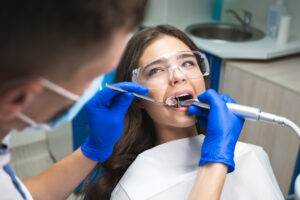



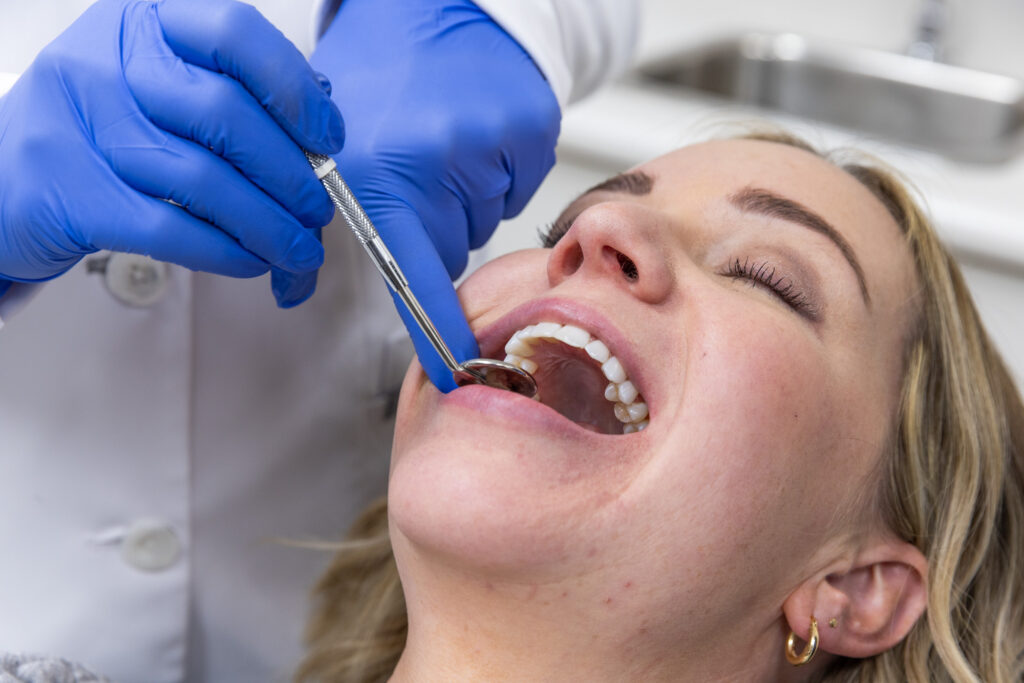
Oral health is not just a smile on your face but a reflection of your well-being at large. Early problem detection can greatly change, particularly in relation to severe diseases such as oral cancer. That is where an oral biopsy would come in. This work procedure is not complex but very necessary because when doctors are investigating some suspicious spots in the mouth, they do it early enough before any possible problem is detected. Here, we will dissect all the information about the oral biopsy such as the process of oral biopsy, the oral biopsy cost, and the main advantages of this procedure in keeping your mouth in optimal health.
What is an Oral Biopsy?
Oral cavity biopsy is a procedure in the field of medicine that entails a minor fraction of tissue samples in the mouth to perform a test. It is usually performed when a dentist or an expert notices abnormal developments or residual soreness or any other deformities in the mouth. The primary aim is to detect the symptoms of any disease particularly oral cancer at an early age. It can be achieved by analyzing the tissue with the help of the microscope; physicians can confirm that the cells are benign, precancerous or malignant and thus the suitable treatment plan.
Types of Oral Biopsies
Oral biopsies are of various types applicable in various circumstances. Incisional biopsy involves the removal of a small part of the lesion to be tested whilst excisional biopsy involves the removal of the whole area of suspicion. A brush biopsy is a method of collecting surface cells of the lesion usually in the form of a less invasive procedure. The selection of the correct type is based on the size, location, and appearance of the abnormal tissue, and will guarantee the correct diagnosis and successful care.
Why an Oral Biopsy is Needed
Early diagnosis of cancerous cells in the mouth is one of the most significant reasons for an oral cancer biopsy. The development of oral cancer is most of the time silent and the symptoms are easily confused with the occurrence of trivial irritations. A biopsy will enable the physician to take a closer look into the suspicious area and determine malignant changes before they develop. Early diagnosis would help in a better treatment process, a better chance of survival and less severe procedures in the future. This procedure is generally recommended during the routine checkups that fall under the general dentistry.
Identifying Other Oral Conditions
An oral biopsy can be used to diagnose numerous other oral health problems besides cancer. Chronic lesions, abnormal ulcers or unexplained growths can be a sign of infections, autoimmune diseases or precancerous alterations. Through the examination of samples of the tissues, dentists and experts can identify the exact cause of these malformations. Early diagnosis effectively informs proper treatment, complications are avoided, and the oral health in the long term is improved. A biopsy should be done at the earliest suspicion of any abnormal alterations because it will provide patients with the necessary care and tranquility in time, and it is an essential procedure in ensuring good oral health. This procedure is also involved in the advanced care during Denver dental implants.
Oral Biopsy Procedure
Patients should be in good shape before the procedure of an oral biopsy is done. The oral surgeon or dentist will review your medical history including medications and underlying conditions. Blood tests might be advised in certain situations, particularly when you have bleeding disorders or when you are taking medications that thin the blood. Depending on the nature of the biopsy, patients are generally instructed to maintain good oral health, not eat or drink for several hours before it. Knowing what to expect helps to alleviate anxiety and have a smooth experience. Many advanced procedures such as laser dentistry are effective as it reduces anxiety during treatment.
Step-by-Step Procedure
The following are detailed steps of this procedure:
- To decrease the discomfort, the dentist or specialist anesthetizes the area by using a local anesthetic.
- The kind of biopsy depends on the kind of lesion or abnormal tissue.
- In the case of an incisional biopsy, only a portion of the suspicious tissue is excised.
- In the case of an excisional biopsy, the whole lesion is excised.
- A surface cell gathering can be done by the use of a brush biopsy.
- The tissues or cells collected are submitted to a laboratory to undergo a microscopic test.
- The sample is examined at the laboratory in order to identify abnormal or cancerous cells.
- The complete process is generally fast and may take not more than 30 minutes.
Healing and Aftercare
Minor bleeding or swelling can also happen after the biopsy, however, most of these are rarely permanent and resolve in a few days. Over-the-counter drugs can be used to treat pain, and oral hygiene should be kept soft because it can be easily infected. Smoking, alcohol and hard or spicy food should be avoided until the area heals completely. The follow-up appointments enable your dentist to discuss the results and prescribe additional treatment where necessary. These follow-up visits may include supportive or corrective treatments with long-term orthodontic care, when your teeth are affected due to spacing.
Benefits of Oral Biopsy
Early diagnosis of oral cancer is one of the greatest benefits of an oral biopsy. The early detection of abnormal cells enables them to be treated expeditiously and efficiently. Cancer spreading can be prevented at an early age, survival rates can be increased, and the more aggressive procedures can be avoided in the future.
Proper Diagnosis to Improve Treatment
Oral biopsy provides clear cut information regarding the nature of suspicious lesions or developmental growths. This correct diagnosis allows physicians to design the treatment more specifically to the condition of the patient, be it in following up or administering drugs or performing surgery. At least they know what they are dealing with so that the treatment becomes focused and effective.
Peace of Mind
In addition to the medical advantages, oral biopsy provides emotional comfort. The patients do not need to be concerned with the unknown anymore as the biopsy is able to determine whether the lesions are benign, precancerous or malignant. This sense of peace will influence less anxiety and assist patients in taking proactive measures in the management of their oral health.
Risks and Considerations
Minor Risks
Although the procedure of an oral biopsy is not very dangerous, there are certain minor risks that a patient should realize. Mild bleeding on the site of the biopsy, mild swelling, or temporary discomfort are the most frequent ones. In some cases, patients might develop some tenderness during a few days following the procedure but tends to pass in a short time. The infection is not common and occurs in some instances, particularly when there are no oral hygiene measures. The most effective way to reduce these risks is by following the aftercare prescribed by your dentist and this will enhance quick recovery.
When to Consult Your Dentist
One should observe the biopsy area within the weeks after the procedure. It is necessary to contact your dentist or oral surgeon in case of excessive bleeding, chronic pain, atypical discharge, or any evidence of an infection (redness and swelling that aggravates) to be treated as soon as possible. Moreover, in case of fever, eating problems, or drinking problems, and other alarming symptoms, consult a doctor as soon as possible. Proactivity will mean that most of the small problems are dealt with in time before they escalate to major problems.
Conclusion
Oral biopsy is an essential solution to ensuring oral health where the early signs of oral cancer and other severe diseases can be detected. It can be used to detect abnormal tissue at the initial stages of development, and thus, it assists in achieving timely and effective treatment, with better results. Active oral care includes regular visits to the dentist to check the teeth and early detection of abnormal spots, ulcers, or growths in the mouth. Keep a lookout on the alteration of your mouth cavity–it might be of the slightest nature but it may indicate a preliminary symptom. Visiting your dentist as soon as possible and having an oral biopsy as needed will save your life and give you a sense of security. You can visit Broadway Family Dentists to read out more about dental procedures.
FAQs
How long does an oral biopsy take?
Oral biopsy processes are rapid, and they usually require a time of less than 30 minutes based on the nature and the site of the tissue sample.
Is an oral biopsy painful?
The patients do not normally suffer much pain as a local anesthetic is used to deal with the pain. The mild soreness could last several days.
How long before I find out the results?
Depending on the complexity of the analysis, the lab results typically require between a few days and one or two weeks.
Is an oral biopsy good for finding early signs of cancer?
Oral biopsies are indeed among the most dependable methods of early diagnosis of oral cancer to increase treatment efficiency.
Are there any possible complications from the procedure?
The risks are usually small such as minor bleeding, swelling or infection. Adherence to the instructions of aftercare will reduce the number of complications.