







Gingivitis is a common gum disease that can occur if you do not maintain good oral hygiene. Your body gives you signs like gum swelling or bleeding to tell you that something is not right. Gingivitis is not a chronic or very serious condition but it can spread from one person to another due to the oral bacteria that cause it. It is usually the first stage of gum disease. By understanding the cause of gingivitis it can easily be cured.
Explaining the Term Gingivitis
Gingivitis is a disease of the gums. When you do not brush your teeth regularly and do not clean your mouth, the chances of getting bacteria are high. Bacterial growth forms a plaque in your gumline that leads to inflammation. This condition is termed as gingivitis.
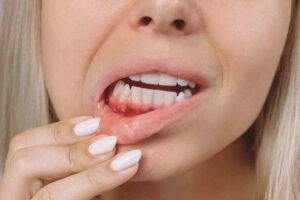
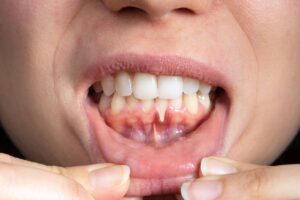
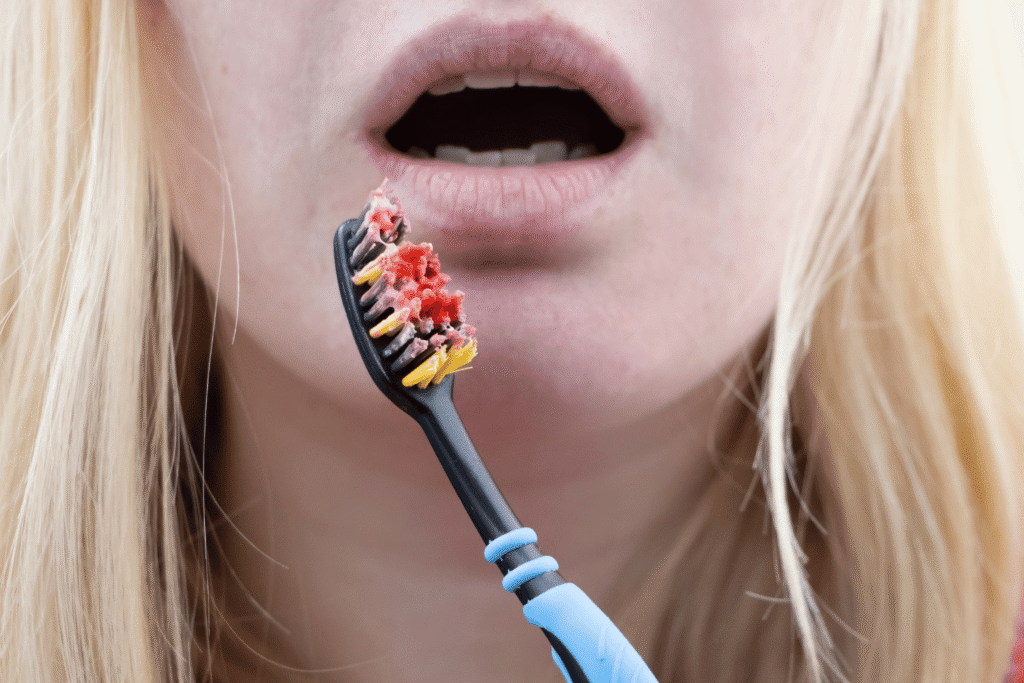
In this condition, the gumline becomes swollen and red. When you brush, it can also cause bleeding and tenderness around the gums. You can also have bad breath. First, you may feel normal but then the disease becomes severe and causes discomfort.
Is Gingivitis a Contagious Disease?
It is often asked a question. It is a bit confusing for some people to understand it. Gingivitis itself is not a contagious disease; the oral bacteria that cause gingivitis can be transferred from one person to another through contact.
Mentioning here, if a person without gingivitis comes into contact with someone with the disease, it does not necessarily mean they will develop gingivitis. The bacterial transfer is possible, but the occurrence of disease is not. The occurrence of this gum disease highly depends on the oral and dental health of a person. It depends on the oral hygiene of that person. If a person has good oral hygiene, sometimes gums may get inflamed but the chances of developing gingivitis are less.
Explaining the Causes of Gingivitis
Some of the causes of gingivitis are explained below. These would help you rule out the real cause of your gum swelling and diagnose gingivitis if it is present.
Poor Dental Hygiene
Developing gingivitis mainly depends on oral hygiene. Having bad oral health increases the risk of developing of gingivitis. Because not brushing your teeth and cleaning your mouth enhances the chances of accumulation of plaque in your teeth and gums causing irritation, swelling and bleeding gums.
Substance Abuse
Smoking and tobacco use cause gingivitis. Smokers are at a high risk of developing gum disease and it is often not diagnosed in them. They feel it when the disease becomes severe.
Stress
Stress weakens the immune system which helps you fight against infections and diseases. The people who have any mental or physical stress get offended easily. They do not keep guard of their health, either oral or gut. It increases the chances of the development of gum disease.
Endocrine System Fluctuations
Hormonal changes in both males and females at a certain point in time like puberty, affect the sensitivity of gums. Gums can be more prone to gum disease.
Oral Dryness
Being dehydrated causes mouth dryness. Less water intake reduces the production of saliva in the mouth which affects gum health. Oral dryness increases the teeth grinding and clenching due to increased friction. It contributes to gingivitis development.
Certain Medicinal Drugs
Some drugs, like those prescribed for seizures, blood pressure and for immune suppression cause reduced or overproduction of saliva in the mouth. This change in saliva production makes it hard to control plaque formation which leads to gum disease.
Underlying Health Conditions
Autoimmune diseases and some heart conditions make individuals prone to gum disease because they not only weaken the immune system but also reduce the blood flow and affect healing.
Nutritional Deficiences
Poor diet and nutritional deficiencies cause gingivitis. Having sugary foods and lacking vitamins, especially vitamin C deficiency causes gum disease. Vitamin C helps i the formation of collagen that keeps your gums healthy and intact. When there is a vitamin C deficiency, the gums become tender, causing them to bleed easily.
Biological Causes
Some people have inherited gum disease. Their gums are more prone to gum disease, irrespective of good oral hygiene, they develop the disease naturally.
How to Get Rid of Gingivitis?
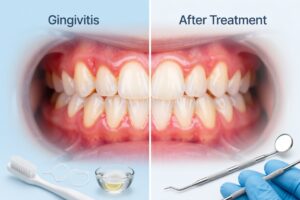
It can be done by taking preventive measures and ensuring good oral hygiene. Early stages of gingivitis are curable. Brushing and flossing help to clean your mouth and get rid of any bacterial inflammation in the teeth and gumline. Adopting healthier habits like quitting smoking would be beneficial. Good oral care reduces the risk of developing gingivitis.
Treatment of Gingivitis Disease
Gingivitis can be treated by OTC products, professional dental cleaning and regular dental checkups.
OTC Products
Over-the-counter products available at the drug stores like soft bristle tooth brushes, medicated mouthwashes and fluoride toothpaste can help treat gingivitis.
Professional Dental Cleaning
A cosmetic dentistry procedure, laser dentistry can be used for detailed cleaning of teeth and gums. It helps to remove plaque and tartar accumulation on teeth and gumlines. It can contribute to treating gingivitis. Teeth whitening can also be used for teeth cleaning purposes to avoid gingivitis risk.
Regular Dental Checkups
Regular dental checkup helps to early diagnosis of gingivitis if there are chances of developing a disease, like any bacterial growth observed by a professional at the gumline. Early diagnosis and early prevention help to eliminate the risk of disease.
Preventive Measures for Gingivitis
To prevent the occurrence of gingivitis, the following measures should be taken
Taking Care Of Dental Hygiene
Brushing, flossing and using antiseptic mouthwashes help to maintain good oral hygiene. Setting up a routine for dental care reduces the risk of teeth and gum diseases.
Professional Dental Cleaning
Professionals follow specific dental cosmetic procedures to help remove the hard plaque from your teeth and gums. Having dental checkups and cleaning your teeth can help avoid the risk of gum disease development.
Maintaining a Balanced Diet
A good, nutritious diet not only maintains your gut health but also plays a role in improving oral health. Take a diet rich in vitamins like vitamin C and D. Eating green vegetables and grains also provides you with good nutrition. A balanced diet keeps you and your gums healthy.
Staying Hydrated
Water is an essential component of our diet. Hydration is important to carry out different processes in the body, i.e., it helps in saliva production, which is important for teeth and gums. Being hydrated reduces the risk of gingivitis.
Regular Check For Hormonal Or Health Changes
These regular checkups play a role in keeping an eye on both hormonal and health changes. It helps your dentist rule out the cause of gum disease easily.
Visiting Your Dentist
You can visit your dentist if you have any irritation, swelling or gum bleeding. It is not necessary that these symptoms are due to any gum disease, it can be a slight sensitivity but a visit can clear your doubt. Early diagnosis is important.
Conclusion
Gingivitis is a common gum disease. It can be contagious because of its causative agent, the bacterium. Itself, it is not infectious. The spread is of bacterial infection. Proper oral hygiene and regular dental visits help you avoid teeth and gum diseases.
If you have any symptoms like gum swelling or bleeding, you can visit Broadway Family Dentist for your dental checkup. Here you will receive a full-fledged dental checkup and professional care.
FAQs
Can Gingivitis Worsen?
Yes, it can. If it is not treated gingivitis can worsen to periodontitis causing bone loss or tooth loss. Gingivitis is reversible and curable but periodontitis is not.
Do Children Get Gingivitis?
Yes. Children can get gingivitis through close contact with anyone with the disease or by not having good dental care. Some children do not brush their teeth regularly and often children have high ratios of having processed and packaged sugary foods that contribute in plaque formation and affect the overall oral health. Make sure your child brushes and flosses their teeth to avoid any gum disease.
How to Care for Gingivitis Naturally at Home?
You can get rid of gingivitis by following proper dental care and maintaining good oral hygiene. Brushing and flossing help you avoid the risk of gum disease.
How does Gingivitis Spread?
Gingivitis can spread through close contact. It can spread by sharing the same toothpaste, using the same utensils, drinking from the same straw and even by kissing.