





A healthy smile and well-being depend on the proper maintenance of health. Lack of oral care may result in cavities, periodontal disease among other health complications. A question often pops up in people’s minds: should they floss before or after brushing? It can be beneficial to know the correct sequence to eliminate more plaque, as well as save your gums.
You can maintain healthy oral hygiene habits with the help of general dentistry practices such as floss before or after brushing. This informative guide is a discussion on the science of flossing and brushing. You will also receive specific and practical tips on how you can make your daily routine better. By following the mentioned steps, you might have cleaner teeth and a healthier smile.
The Importance of Both Flossing and Brushing for Oral Health
Both brushing and flossing are critical components of a good oral care routine. Brushing will aid in the removal of plaque which is the sticky film of bacteria accumulating on the teeth. It also disperses fluoride which makes enamel stronger and prevents cavities. Flossing, on the other hand, consists of getting to the areas between teeth that the toothbrush is not able to get. This is useful in preventing gum disease and it gets rid of food particles that may lead to decay.
The American Dental Association states that almost half of all adults aged 30 years and above have some type of gum disease. Floss before or after brushing in conjunction with each other is an important factors in the prevention of cavities and gum issues.
Does Flossing Come Before or After Brushing
You should brush and floss in a sequence. When it is done correctly, it can enhance the health of gums and the elimination of plaque. This section of the blog will explain whether you should floss before brushing or after brushing. Dental floss before or after brushing is an important part of your oral hygiene practices.
Floss Before Brushing
Pre-brushing flossing can be used to remove the food particles and plaque existing between the teeth. It enables the fluoride on your toothpaste to get to these areas better. This order is highly recommended by many dental experts as it better removes plaque in the mouth and improves the health of the gums. The American Dental Association claims that brushing may be effective only after flossing, which allows avoiding the risk of cavities.
Floss After Brushing
Post-brushing flossing may also get rid of any remaining debris and plaque that brushing did not get. But other professionals observe that brushing initially can leave less fluoride that is left on the teeth less effectively. Flossing second can be cleaner, however, flossing before brushing can be as protective.
What Science Says
Research comparing the two techniques demonstrates that pre-brushing flossing is more effective in removing more plaque and fluoride is able to penetrate between the teeth more easily. Studies reported in the dental journals also indicate that the sequence of flossing and brushing has a bearing on the health of the gums and preventive measures against cavities. Different advanced treatments such as laser dentistry help you maintain your gum health. Altogether, it is widely believed that flossing is the best practice prior to the brushing and keeping healthy gums and teeth strong.
How to Properly Floss and Brush
Floss before or after brushing are some of the most important measures in keeping the teeth and gums healthy. Flossing and brushing remove food particles between the teeth and cover surfaces and fluorides respectively. Brushing teeth properly will guarantee a healthier mouth and minimize the chances of cavities and gum disease.
Easy Guide to Effective Flossing at Home
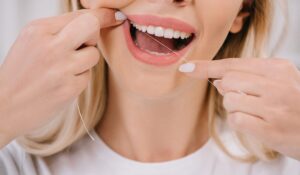
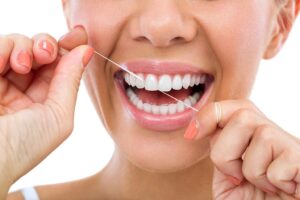
- A floss of 18 inches in size should be wrapped up around the fingers.
- Sprinkle the floss softly between your teeth, using the shape of C around each tooth.
- Push the floss in an up-and-down motion to rid the mouth of plaque and debris.
- It is necessary to brush your back teeth.
Step-by-Step Guide for Brushing
- Apply soft-bristled toothpaste and toothbrush.
- Have the brush 45 to your gums.
- Brush your teeth circularly on all surfaces.
- Clean your tongue to eliminate bacteria and clean lungs.
Tips for Effectiveness and Preventing Mistakes
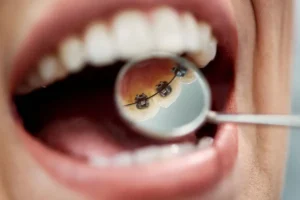
To keep the teeth and gums healthy, one should not brush viciously since this may lead to the loss of enamel and gum irritation. In flossing, one should make gentle movements to clean the areas in between the teeth without damaging the gums. Those people who have misaligned teeth or braces should pay extra attention during floss before or after brushing as orthodontic care always makes sure that plaques do not build in hard to reach areas.
Timing and Frequency
It is important to brush your teeth twice a day for at least two minutes to clean the teeth and prevent cavities. Daily floss before or after brushing helps to clean plaque between teeth, and the toothpaste can get to the tooth and gum more efficiently, which is better than not flossing at all because it takes less time, and it helps to have stronger teeth and healthier gums in the long run.
Tips for Better Oral Hygiene
Fluoride toothpaste is important in the fortification of enamel and also in the prevention of cavities. Select the best type of floss that fits your requirements like the ones that are waxed, unwaxed or even the ones that are taped to simplify the process of floss before or after brushing. Mouthwash may also be used to reduce the quantity of bacteria and clean the breath, whereas periodic dental examinations can make sure to identify problems early. Having a daily routine of floss before or after brushing and rinsing is beneficial to keeping your mouth and gums strong and healthy in the long term and keeps your teeth and gums healthy.
Conclusion
To keep the teeth in a good oral condition, it is a combination of brushing and flossing. Dental professionals advise that one should floss before or after brushing teeth since it removes plaque and food debris between teeth and enables the toothpaste fluoride to get to these places more efficiently. This sequence can be followed regularly to minimize the possibility of cavities, gum disease, and other dental issues.
With such a simple everyday practice of good flossing and brushing, you can guarantee yourself healthier teeth, healthier gums and a cleaner and brighter smile in the years to come. You visit Broadway Family Dentists to get more information on flossing and brushing techniques to practice healthy oral hygiene habits.
Frequently Asked Questions (FAQs) About Floss Before or After Brushing
Should I floss before or after brushing?
Flossing should come first as it helps you by cleaning plaque and debris from all of your teeth and debris between them and the toothpaste has a better chance of functioning.
How often should I floss?
Brushing alone is not enough; the gums should be flossed once a day in order to ensure that the plaque does not accumulate in places that the brush fails to access.
Can flossing damage my gums?
Flossing gently is safe. Flossing might lead to bruising or bleeding, and thus, do it gently with a fine movement.
What type of floss is best?
Select the type of floss that you feel is most comfortable to ensure a constant application e.g. waxed, unwaxed or tape floss.
Does flossing actually prevent cavities?
Yes, flossing will help in getting rid of food particles and plaque between the teeth, avoiding the chances of cavities and gum disease with the help of regular brushing.