







According to global reports, approximately 15 million adults in the U.S undergo the procedure for Dental Crowns to cover their damaged, decayed, or worn-out teeth to restore their strength, shape, and general appearance. But can you actually believe that going through this dental crown procedure can have some serious disadvantages? In this blog, we will briefly discuss the disadvantages of dental crowns, their procedure, & cost.
What is Dental Crown?
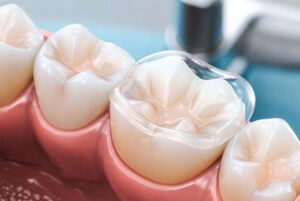
In General Dentistry, a dental crown, or you call it a “tooth cap”, is used to cover a weakened or decayed tooth to restore its shape, size, and appearance. It covers the whole tooth, think of it like a warm hat over your weakened tooth. Generally, to ensure whether the crown is perfect, dentists initially examine the tooth and apply a temporary cap over the tooth until the crafted crown is received from the lab. Several materials are used to make dental crowns including resin, gold, ceramic porcelain-fused-to-metal (PFM), zirconia, etc.
What happens during the Procedure of Dental Crowns?
The procedure of getting a dental crown is split into two sessions. The following are the two sessions:
First Session
Upon the first session, the dentist prepares the tooth for the crown. It involves the removal of enamel from the tooth, and the addition of some filling to ensure that once the crown is placed, it is bonded perfectly. Then, an examination takes place to obtain digital or physical impressions of the tooth and it is sent to the lab, where a technician crafts a custom dental crown as per the requirements. This process can take up to two to three weeks, until then, a temporary cap is placed over the tooth which is usually made of resin or acrylic.
Second Session
Once the crafted dental crown is finished, it is received at your dentist’s office. Upon the second session, the temporary cap is removed and the tooth is checked with the new cap to verify the accurate perimeters. Once verified, the new crown is bonded to the tooth with a specified dental glue for crowns to ensure their stability.
This is all it takes to get a dental crown for yourself, but, let me tell you the disadvantages of dental crowns in detail.
Disadvantages of Dental Crowns
Now, let’s talk about some disadvantages of dental crowns while looking at the other alternatives to them as well.
The common downside of a dental crown is the removal of natural enamel from the tooth, which is a permanent action. It might also cause teeth sensitivity in the first few weeks. It is brittle and can be fractured. Bacteria can also be trapped, which can damage the tooth over time. If the crown isn’t placed correctly it can lead to an allergy in some rare cases as well. It is expensive, with average pricing around $1,500 – $2,000.
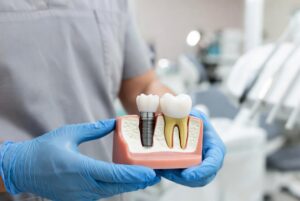
Previously, we discussed the disadvantages of dental crowns. Now, let’s talk about some other alternatives. Implants and veneers are better options, although they can be more expensive, but there are conditions to their use cases. Implants are generally a better option for a damaged tooth that needs to be replaced while the veneers sit in a kind of sweet spot between the crowns and implants in terms of both pricing and longevity.
Pricing Analysis of Dental Crowns?
According to some reports from the U.S, the cost of a dental crown can vary from around $800 to $3,000 depending upon the location of the tooth, size, and the materials of the crown. Dental crowns can be made from various materials with each material having a different price. For example, if we talk about the temporary/resin ones they usually range between $90 – $1,500, whereas the Porcelain-Fused-to-Metal (PFM) ones range between $750 – $2,500.
If you opt for much higher material, then the Gold/Metal alloy ones range between $800 – $3,500. Similarly, Zirconia ones range between $1,000 – $3,000 with the Ceramic/Porcelain ones ranging between $800 – $3,500. Please note that these prices are without insurance.
Precautionary Measures for Dental Crown Procedure
Here are a couple of precautionary measures to determine a safe procedure. It is strongly advised to start the procedure from an authentic, verified dental institution to ensure the quality of materials and a satisfying process. Spaces like Broadway Family Dentists are strongly recommended for the Denver Dental Implants segment, where not only Dental Crowns but procedures like Cosmetic Dentistry, Implants and Veneers, Teeth Whitening, Laser Dentistry, and Orthodontic care are treated in a professional manner. If you’re in a different place, then you can simply search on the internet for “dental crown near me” to find spaces convenient for you.
The protocols given by the dentist must not be compromised in any possible way. It is recommended to avoid chewy or sticky foods such as chewing gum, as they can loosen the crown, especially the temporary ones. Consuming any kind of crunchy foods should be strictly avoided in the first 24-48 hours. Lastly, extreme temperatures should also be avoided as the tooth may be sensitive to cold or heat. Consuming any kind of crunchy foods should be strictly avoided in the first 24-48 hours.
Longevity & Maintenance
Dental crowns can easily last up to 5 to 15 years, although they can last up to 30 years or more as well if maintained with proper care. Maintaining good oral hygiene, eating healthy foods, and avoiding hard foods to chew can greatly increase lifespan. In comparison to crowns, porcelain veneers are strongly built, but crowns are brittle, hence they should be kept away from hard foods, as they can cause breakage.
Conclusion
As we talked about the Disadvantages of Dental Crowns & Cost, Its types, procedure, we also talked about some alternatives that might be more beneficial depending upon the conditions. Understandably, these might look like a good solution but the disadvantages of dental crowns cannot be ignored. There are some other alternatives that you can study before making the final decision. It is recommended to think critically and take steps during the procedure. Overall, I hope this blog helps to clear your doubts and gives you a good understanding of dental crowns and their disadvantages along with all of their other traits.
Frequently Asked Questions (FAQs) About Dental Caps
When should you consider getting a dental crown?
If you are experiencing symptoms like a weak, stained or decayed tooth, then you should immediately schedule a check-up with the dentist.
Is the procedure painful?
Pain during the procedure is minimal due to anesthesia, but post-procedure, you might experience discomfort, sore gums, sensitivity to cold/heat for a couple of weeks.
Are Dental implants better than Crowns?
Well, both are used under different conditions. Implants are a much superior permanent solution but it is mostly used if the tooth is missing or severely damaged. It is also more expensive but offers great lifespan. The positive thing about the crown is that it lets you preserve your natural tooth.
What is the aftercare?
You should avoid specific foods for the first 24-48 hours. Maintain oral hygiene. You should also consult the dentist 6-7 days after the procedure.
Is it worth the cost?
Yes, it is worth the cost as it can greatly increase the lifespan of the tooth. It also gives a good appearance to your tooth. If maintained with proper care, it is completely worth it.