


Losing a tooth in the elderly is one of the most common dental issues. It is normal with increasing age to lose teeth, but a serious dental concern. Various health and dental factors contribute to tooth loss in the aging population.
If one knows the causes of tooth loss in the aging population and its consequences for them and their caregivers, then they will also be able to recognize the related risk factors. It will help them to treat or prevent tooth loss in the aging population with education and proactive treatment measures. Elderly individuals can get professional help from experts in general dentistry, who provide long-term dental care.
The Changing Landscape of Oral Health with Age
Aging has a significant effect on one’s overall health, as this includes the mouth and therefore impacts oral health as well. With age, you may see wear on your enamel, gums receding, and produce less saliva. The age-related changes in elderly causes the oral health to suffer and lead to tooth loss.
You should know, the age itself does not cause tooth loss in the aging population, rather, related lifestyle factors and the changes do. The risk of oral issues increases with age, as with other health problems. Elders may need modern dentistry procedures, such as laser dentistry, to help treat their dental issues.
Common Causes Behind Tooth Loss in the Aging Population
Tooth loss in the aging population can be caused by various reasons, some of which are discussed below:
- Periodontal Diseases: Tooth loss is often caused by periodontal disease, a condition that causes destruction of your gum tissue and the supporting structures of your teeth. If you have not received treatment for periodontal disease, it can cause a gradual weakening of the underlying bone and structures that support your teeth.
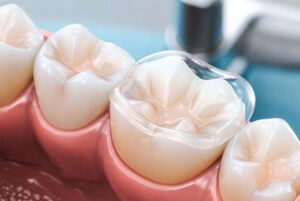
- Cavities Development: Often, tooth loss in the aging population is also due to decay (cavities). After many years of chewing, combined with changes in your oral hygiene, your teeth can develop cavities. If those are not treated, they can progress to the point where tooth extraction is necessary. You will need to restore your teeth to regain their function and appearance with restorative solutions like implants and veneers.
- Chronic Medical Conditions: These can also increase the likelihood of tooth loss, like diabetes, which can affect your gums and impair the speed at which your gums heal.
The Impact of Tooth Loss on Daily Life
As people age, losing teeth can affect them in many different ways, often negatively. It includes how they eat, speak, and interact with one another, however, they may not think about these effects until they happen.
Difficulty In Chewing
Tooth loss in the aging population can change one’s ability to chew food easily. Therefore, many people who suffer from this issue will begin to avoid certain foods due to their inability to chew normally. Over time, as the individual continues to consume less of a certain type of food item, they will develop deficiencies in essential vitamins, minerals, and nutrients, which greatly affect the person’s health and energy levels.
Dysarthria
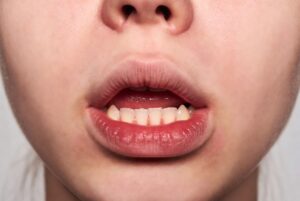
Tooth loss can also cause problems with speech. Teeth are important parts of our bodies for making sounds when we speak. Tooth loss in the aging population often has difficulty pronouncing words correctly, which may cause frustration or lower self-esteem while interacting socially with others.
Loss of Self-Confidence
As a result of tooth loss, people may gain feelings of being self-conscious. They may no longer wish to smile as they once did, or they may think twice before talking with someone, therefore limiting their social interaction and feeling emotionally unwell. In order for someone who is experiencing these issues to regain their natural confidence, they should consider undergoing cosmetic dentistry treatments.
Preventive Measures That Make a Difference
One of the reasons why older adults frequently suffer from tooth loss is that many of these losses could have been prevented early on. Good oral hygiene is one of the best ways to prevent tooth loss in the aging population
- Practicing Healthy Oral Habits: If you brush your teeth and floss between them regularly, these techniques will remove plaque that builds up on your teeth, and this will decrease your chances of developing cavities as well as gum disease.
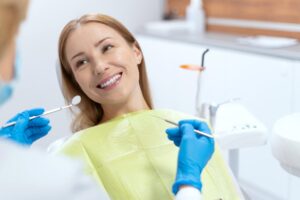
- Dental Visits: Regularly scheduled dental appointments allow for early intervention of any upcoming dental problems, which can make your treatment easier.
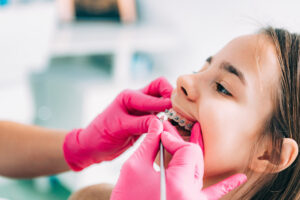
- Wellness Care: Preventive care from orthodontic care services provides the elderly with an understanding of the correct alignment of their teeth to help decrease any long-term complications.
- Healthy Lifestyle Choices: Making good choices in your lifestyle can also help keep your teeth healthy throughout your lifetime. Eating a healthy, balanced diet can help provide the nutrients necessary for strong teeth and gums.
- Avoidance of Tobacco: Abstaining from tobacco products can help to reduce your risk of developing periodontal (gum) disease.
- Adequate Water Intake: By drinking adequate amounts of water every day, you will also produce the saliva that helps to keep your mouth protected from harmful bacteria.
Treatment Options for Restoring Function and Comfort
When a tooth is lost, there are treatment methods available to restore the look and function. The patient’s health condition, needs, and desires will determine which treatment option is best for them.
Traditional Dentures
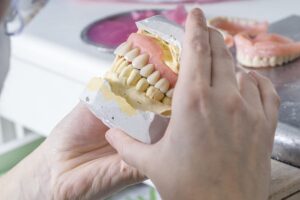
Traditional dentures are used to replace missing teeth while allowing an individual to chew, thereby yielding functional benefits. Nowadays, modern denture designs provide significantly more comfort and help create a more realistic appearance when compared to the old designs.
Dental Implants
Dental Implants can be thought of as being the next step, i.e., they replace not only the missing tooth, but also the tooth root. Dental implants will support the replacement crown as well. This gives the patient stability and allows for the preservation of the available bone. Denver Dental Implants can be used for this purpose.
Dental Bridges
Bridges provide another alternative for replacing missing teeth. A bridge will fill in the spot created by missing teeth by anchoring onto adjacent teeth. Each of these options provides its own benefits.
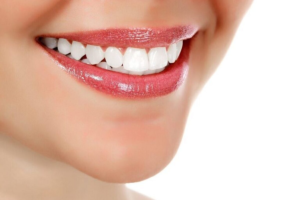
A patient should consult with a dental professional to determine which option is going to be the best for them. In addition to the aforementioned methods, patients can enhance their overall dental appearance by undergoing procedures such as teeth whitening. Therefore, these types of procedures are complementary to restorative treatments.
Promoting Healthy Aging Through Oral Care
The public health initiatives and educational programs are designed to raise awareness of the many issues that contribute to tooth loss in the aging population. The other key factor for promoting healthy aging is access to affordable dental care. If we can ensure that older adults can have frequent and regular check-ups to maintain their oral hygiene and be treated with necessary dental treatment, this will help lower the risk of dental issues such as tooth loss.
Support for good health involves taking a holistic view of an elderly person’s well-being and including oral health as part of the overall strategy to keep an older adult healthy. It is one way to assist them in living longer and happier lives.
Conclusion
Tooth loss in the aging population can occur as a common dental concern. It is important to manage these consequences through proactive dental care treatments. The risk of dental issues and related issues can be lessened by ensuring healthy dietary choices and good oral hygiene in the elderly. All the preventive measure aforementioned plays an important role in reducing the risk of oral and dental issues in older adults. You can visit Broad Family Dentists to receive detailed guidance on dental care in the aging population.