







Over time, the progression of orthodontic care has changed drastically, providing patients with an array of choices for treating crooked teeth. Lingual braces treatment is one option within the realm of orthodontic care and provides patients with a more camouflaged option than conventional systems. Lingual braces are far more than just an aesthetic alternative. They also differ from conventional braces in terms of structure, the way they are adjusted, how they are typically used in conjunction with other types of orthodontic appliances, and how they will affect the total time spent in treatment.
How Lingual Braces Differ in Placement and Design
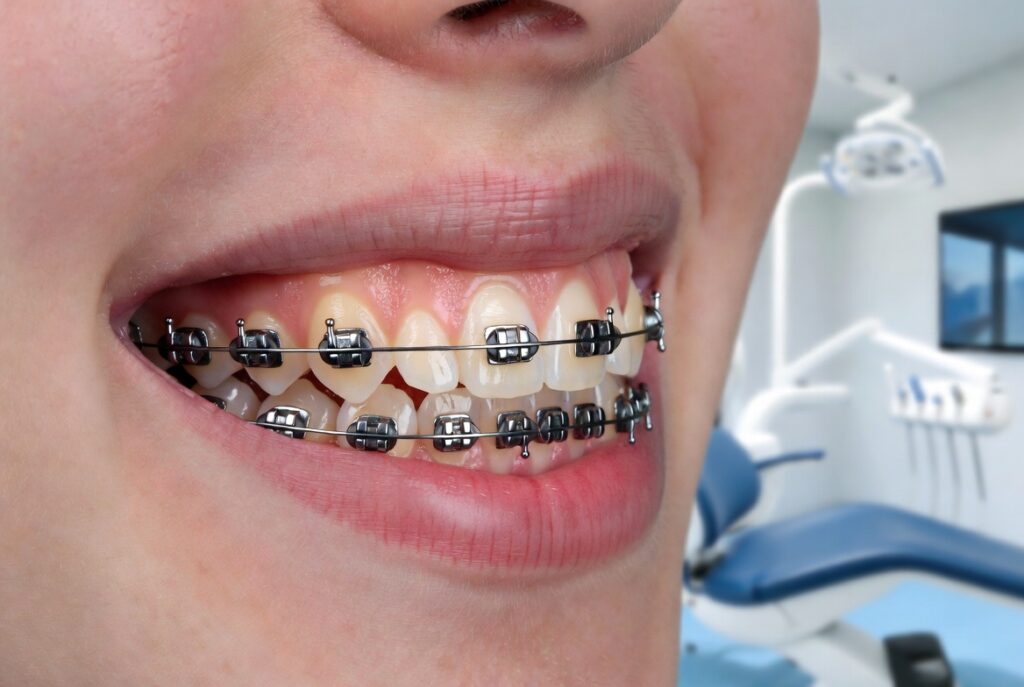
One of the biggest differences between regular braces and lingual braces treatment is their placement. Conventional braces are quite visible when you smile or talk, whereas lingual braces are not as visible, as being present behind your teeth.
The structural difference between these two braces affects not only how they look but also how the braces are used in daily life. Lingual braces treatment requires a more custom approach than other forms of orthodontics. Some individuals also consider having some sort of cosmetic dentistry procedure done along with this orthodontic treatment.
The Science Behind Inner Tooth Placement
Lingual braces are attached to the inner side of the teeth, which is located on the side of the tongue. This positioning allows the braces to apply controlled dental mesial forces to guide the teeth into proper alignment. The mechanics are the same as with standard dental appliances, but the direction of the forces created by the dental appliances differs because of their specific placement.
The unique position of the dental appliance makes the process of wearing a lingual braces treatment less visible. It also makes it more complex since the therapist must design the lingual brace with precise details. Each of the appliances is custom-made to fit the unique shape of each mesial tooth, providing the utmost accuracy throughout the course of the entire orthodontic treatment.
Why Customization Matters More in Lingual Systems
There is no one-size-fits-all for lingual braces, unlike standard braces, since the inner surface of each person’s teeth is unique and differs. Thus, all brackets are designed and fabricated individually so that they adhere and function correctly for each patient. Customized braces will fit comfortably, work properly, and have a good appearance once the lingual braces treatment is complete.
The planning required for lingual braces treatment is extremely detailed and requires digital imaging as well as computer software and 3D modeling of each patient to control every movement through their course of treatment. When completed, each patient will have a highly individualized orthodontic experience due to the extremely precise nature of how planning takes place with each lingual braces patient.
Daily Experience and Comfort Differences
Lingual brackets and arch wires are placed close to the tongue, and consequently, they will affect speech and sensation in the mouth in a different way than other appliances do. There is usually a transitional period that occurs while a patient adjusts their speech to the new sensation in their mouth when they have had lingual braces treatment.
Impact on Speech and Adaptation Period
When lingual braces are first placed, they may temporarily affect speech intelligibility because the tongue normally makes contact with the brackets. Consequently, there may be some difficulty with articulation initially due to the braces. However, after some time, the majority of patients will become accustomed to the presence of the braces, and their speech will improve as the tongue gets used to the appliance.
A patient’s adjustment period will differ based on individual sensitivity and the degree of complexity of the orthodontic case. With continued use of the appliance, normal speech returns to most patients due to the adjustment of the mouth to the appliance.
Oral Comfort and Tongue Interaction
Lingual braces rest near the tongue, therefore, they are more likely to be in contact with the tongue than traditional braces. Since the tongue is more intimately involved in the function of the braces, some people may initially experience mild irritation from the braces themselves when they eat and speak. However, as the soft tissue adapts to the braces, the discomfort will usually decrease.
Maintaining proper oral hygiene, as well as good orthodontic and dental practices, will assist in minimizing irritation and providing a smoother adjustment to the braces throughout the course of treatment.
Treatment Efficiency and Clinical Considerations
Lingual braces have many aesthetic benefits, but there are also several clinical considerations associated with the use of lingual braces. All of these factors affect how orthodontists plan and monitor their patients’ progress as they move through their orthodontic treatment process.
Precision in Tooth Movement Planning
Due to the hidden placement of lingual braces, treatment planning is very specific for this type of orthodontic appliance. Orthodontists utilize precise calculations of both direction and amount of force applied to each tooth to create a controlled and predictable manner of movement for each tooth from the point of force application to their final position.
Digital technology provides essential tools for developing a treatment plan for the orthodontic treatment of a patient. Imaging techniques used today allow the specialist to see the anticipated movements of teeth before placing the braces. Consequently, a more precise treatment plan and outcome will occur.
Duration of Treatment Compared to Other Options
Lingual braces treatment takes an extra few weeks (or sometimes months) because of how complicated adjustments can be compared to metal (traditional) brackets. The doctor also recommends regular visits to make adjustments when needed. Regular visits and adjustments will lead to steady progress in both types of treatment.
Oral Hygiene and Maintenance Requirements
Maintaining oral hygiene with an appliance such as lingual braces can be difficult due to their placement behind your teeth. The difficulty arises because the hard-to-access areas of the braces will require greater care and cleaning than do front-facing (i.e., visible) brackets. The mechanical removal of plaque, i.e., in teeth whitening procedures or other services in general dentistry, may help with good hygiene protocols.
Cleaning Challenges and Daily Care
Due to their being located on the back of the teeth, food or plaque may be able to accumulate more readily if adequate cleaning is not performed. Because of this, proper oral hygiene is extremely important to follow during the entire lingual braces treatment.
Patients are often advised to spend extra time when brushing their teeth in order to effectively ensure complete cleaning around each bracket. This will assist in the prevention of plaque buildup while promoting healthy gums throughout orthodontic treatment.
Why Patients Choose Lingual Braces Over Other Options
Lingual braces are a complicated form of orthodontic treatment, but they have become increasingly popular due to their different advantages. Many patients prioritize their appearance while receiving orthodontic care, and hence lingual braces are advantageous in this regard as they are invisible while providing that benefit to the patient. They are also appealing to professional individuals and in society.
Aesthetic Advantage in Everyday Life
The discretion of lingual braces enhances both confidence and comfort during social interactions. Although there are additional types of orthodontic treatments available, such as implants and veneers, many people prefer to have lingual braces over any other option when it comes to their overall smile enhancement.
Balanced Results with Modern Orthodontics
Lingual braces utilize both effectiveness and invisibility. Balancing these two factors to provide a person with an aesthetic and effective orthodontic system can be very attractive. The adjustment of the braces and proper maintenance will be necessary. The combination of function and aesthetics, lingual braces are a viable option to support modern dentistry and advancements in laser dentistry.
Conclusion
Lingual braces are a unique type of orthodontic intervention due to their hidden nature and customized design. Unlike traditional braces, lingual braces are not only different in terms of visibility, but they also provide an individual with great comfort.
Individuals can achieve excellent results using lingual braces while consulting and following their dentist’s guidelines. Moreover, you can consider Broadway Family Dentistry for lingual braces treatment for an enhanced smile.